This week I needed to make something physical and do some photography. I always find this sparks motivation when I’m struggling to be driven to create work, especially being at home where I struggle enough to work in normal situations. I have definitely decided that I have an interest in the performative qualities of fabric, specifically its movement and form. I had planned before lockdown to explore this on a larger scale in the test space next door to studio because I knew I wouldn’t be able to gain these visuals on a smaller scale. Because I’m stuck at home, I decided to explore this on the washing line with a white bedsheet, and with the help of my little brother, I was able to capture these images.
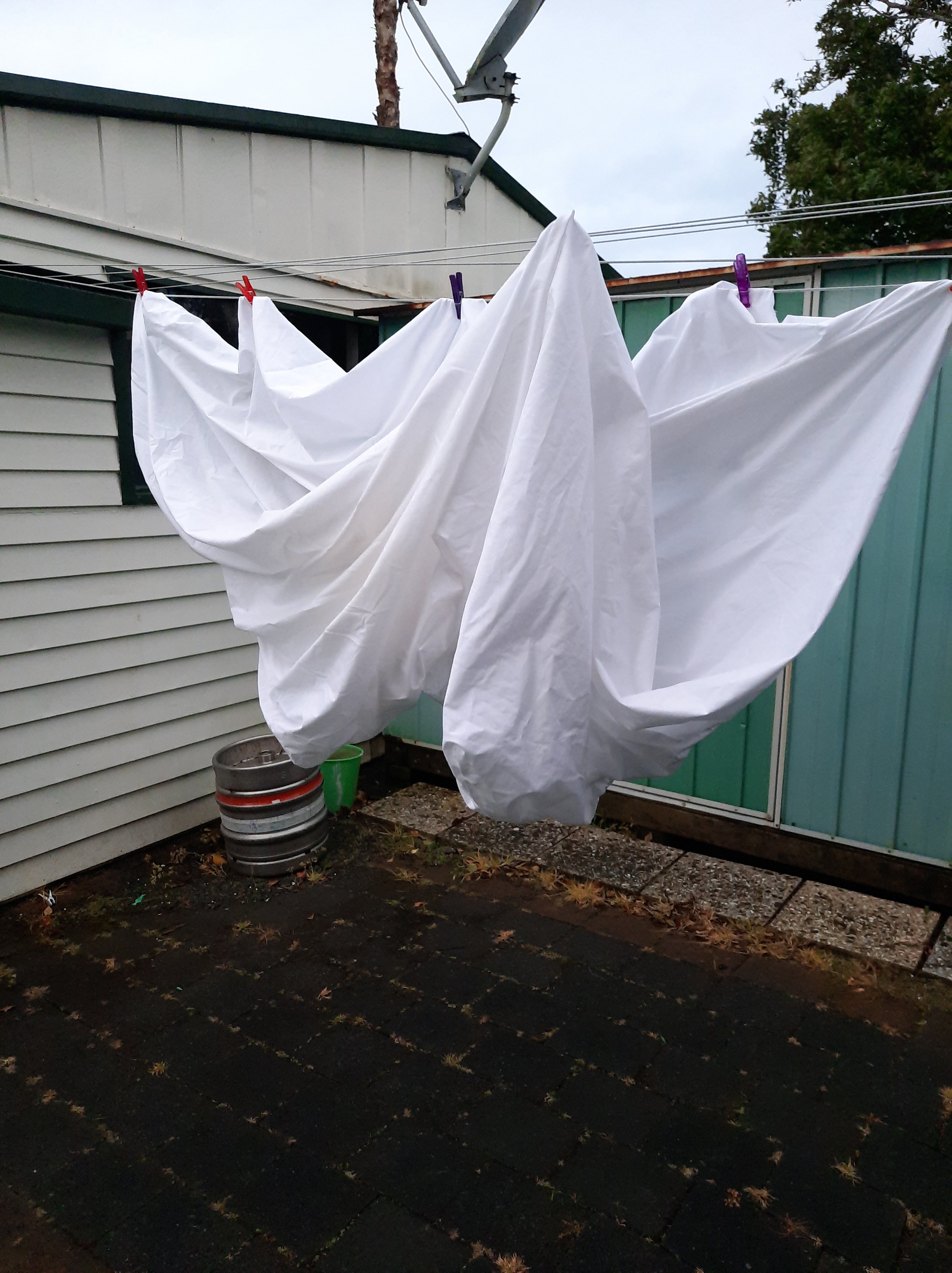
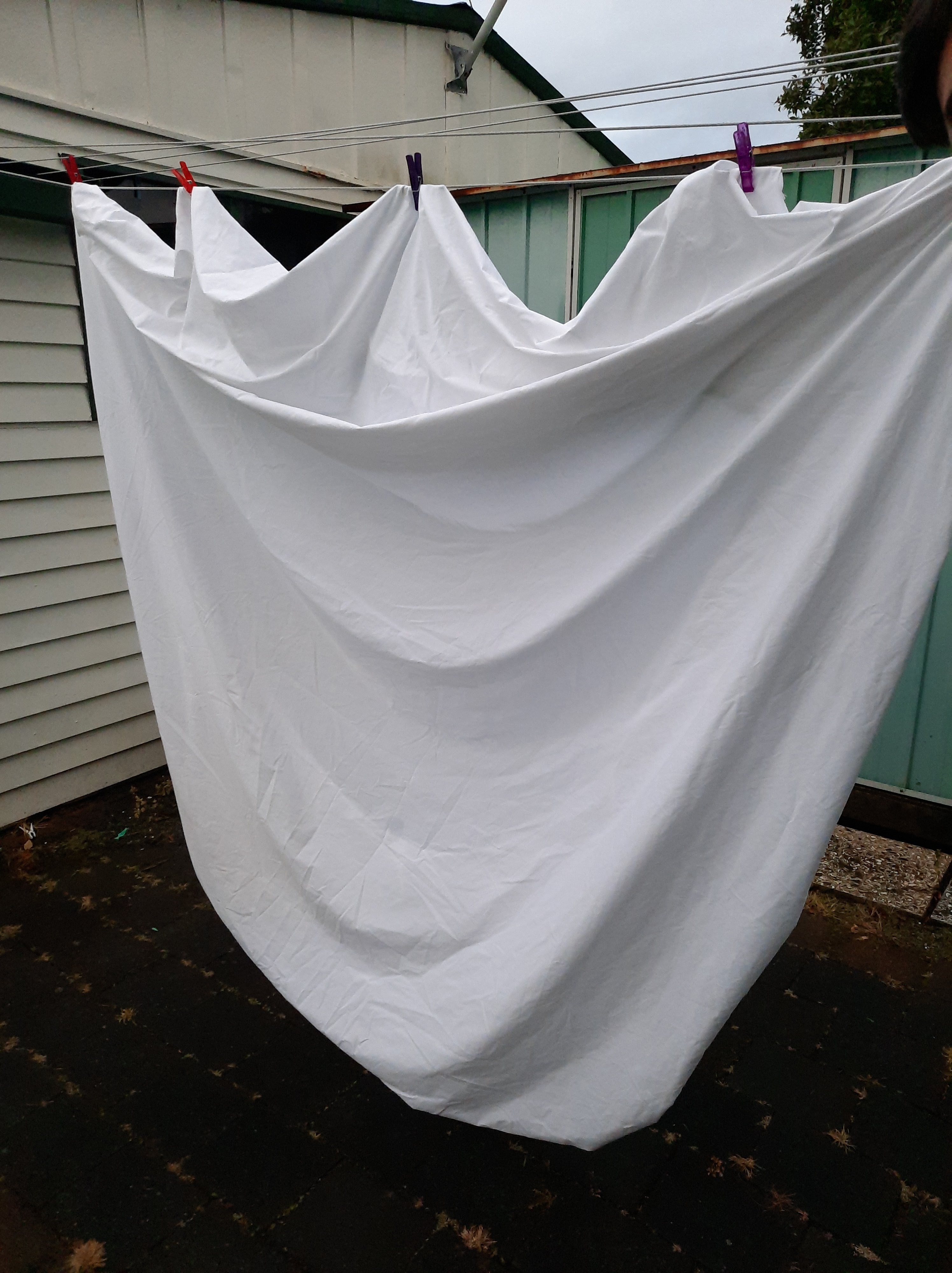
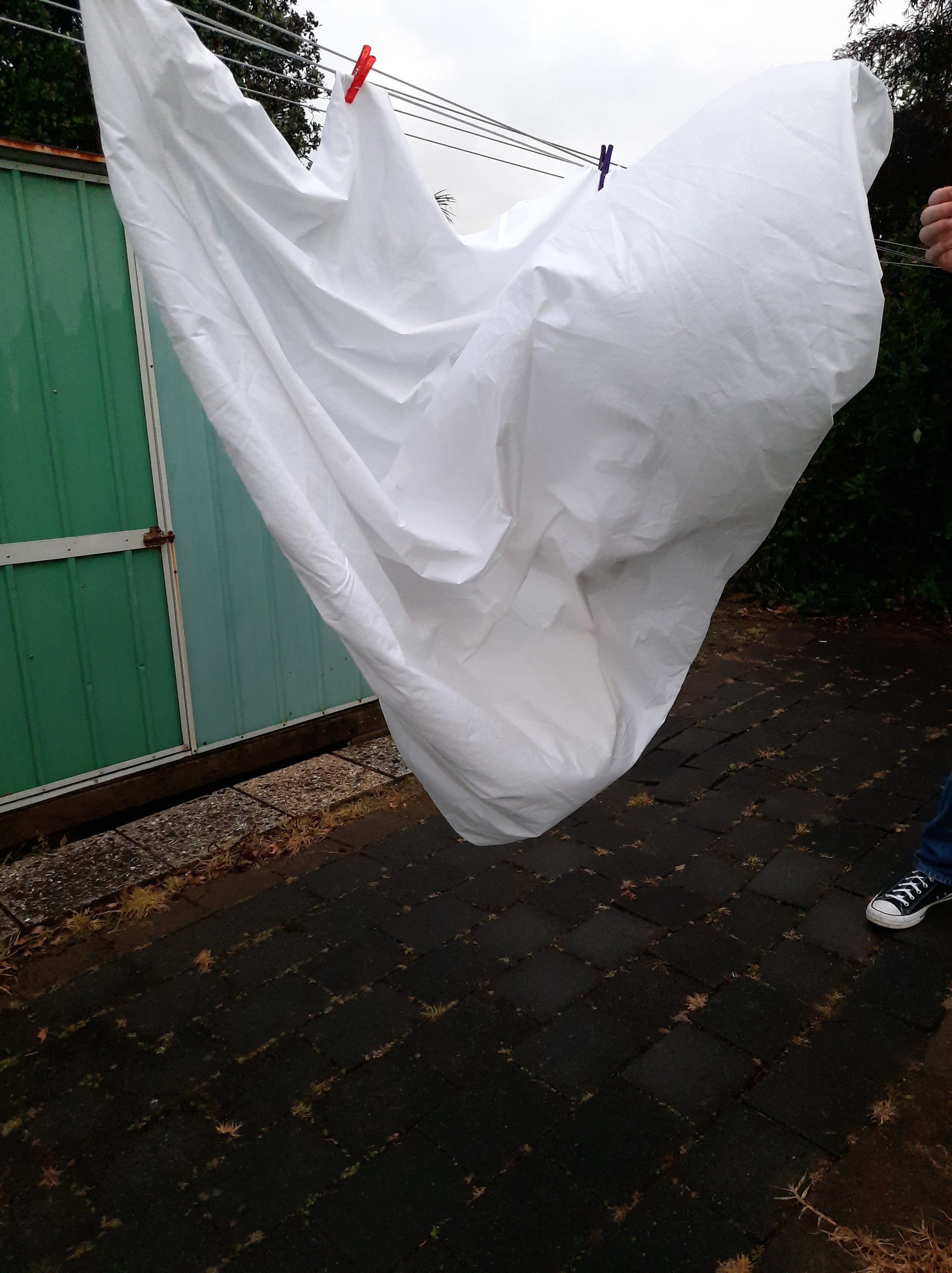
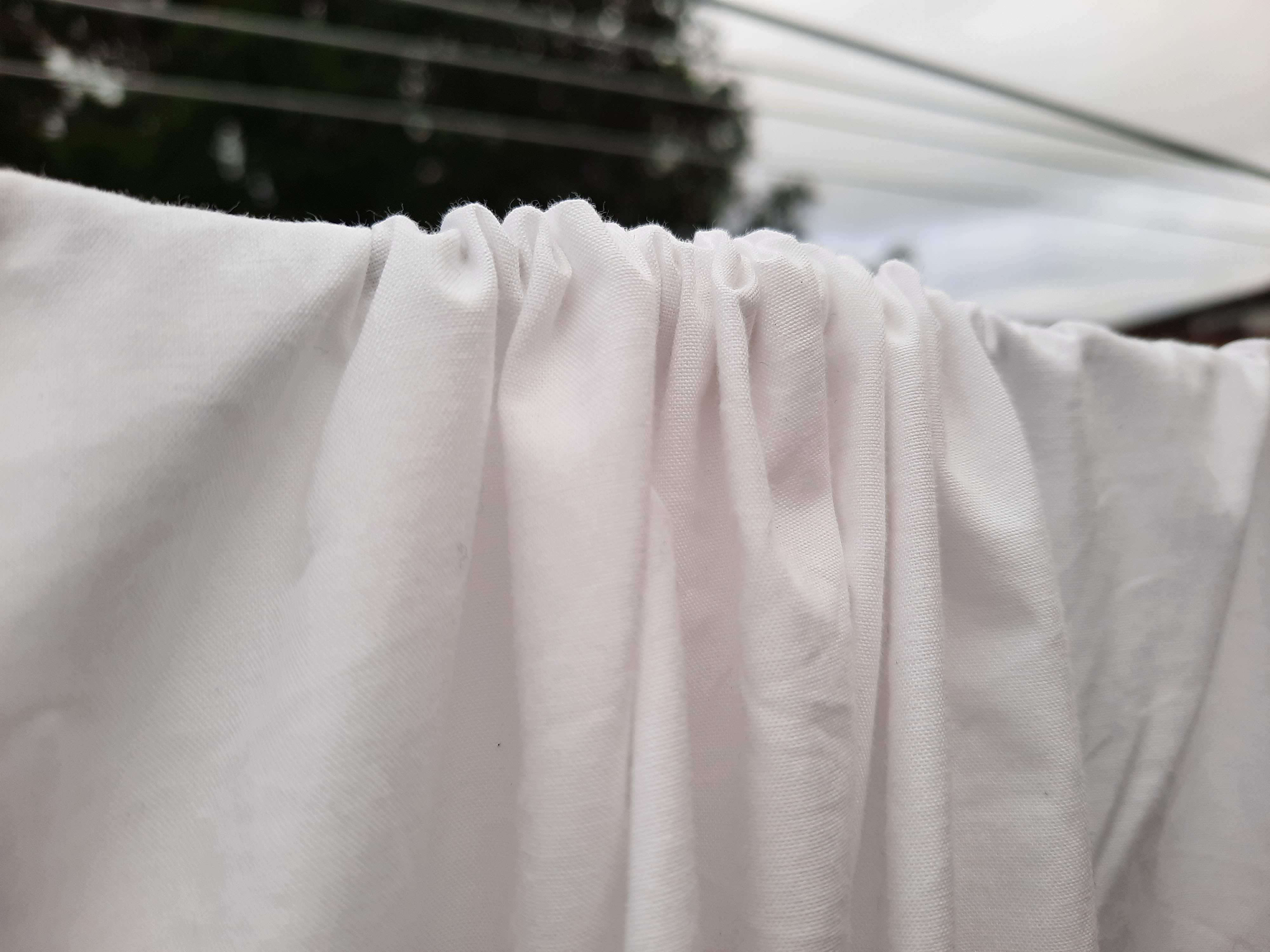
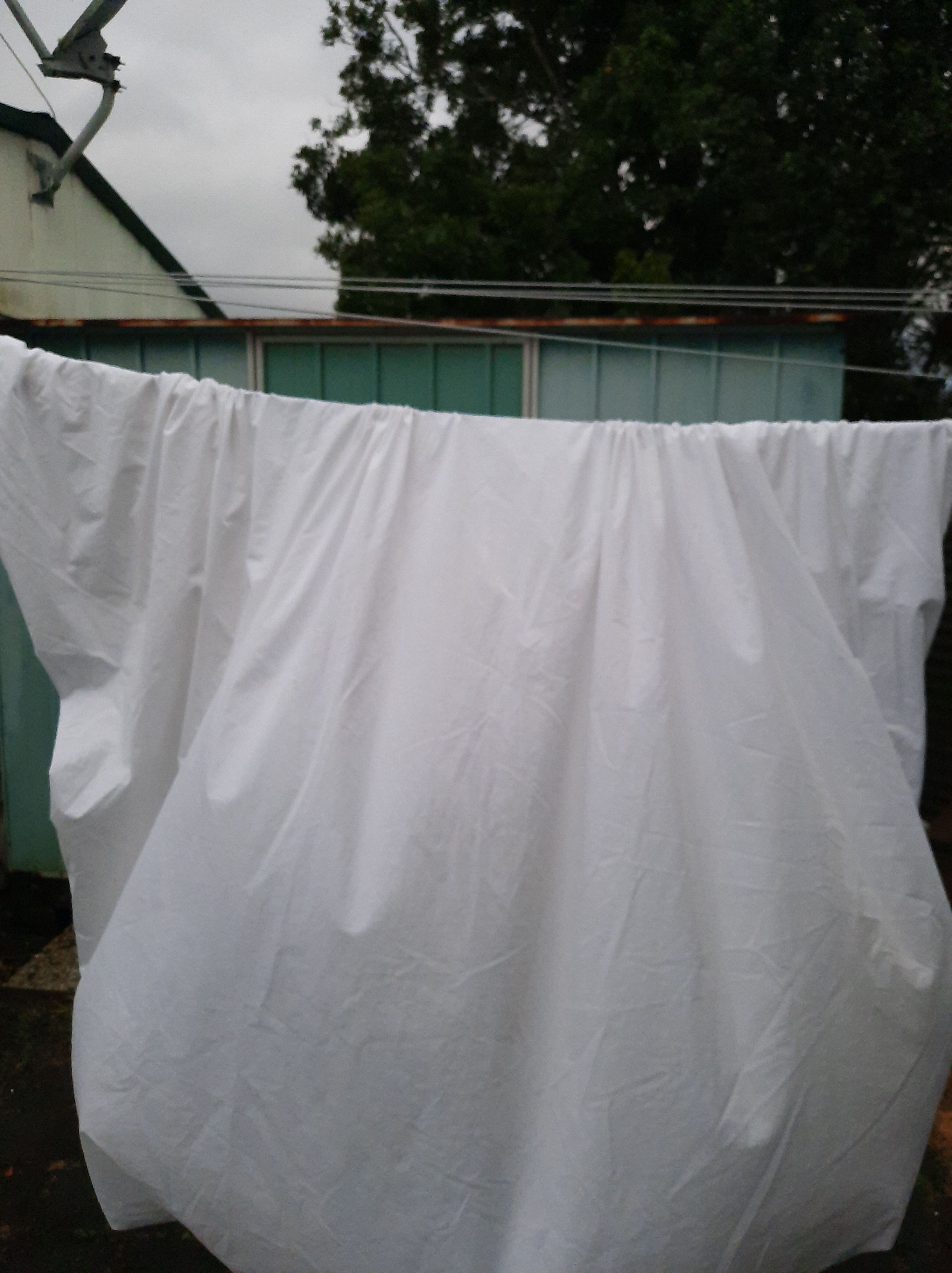
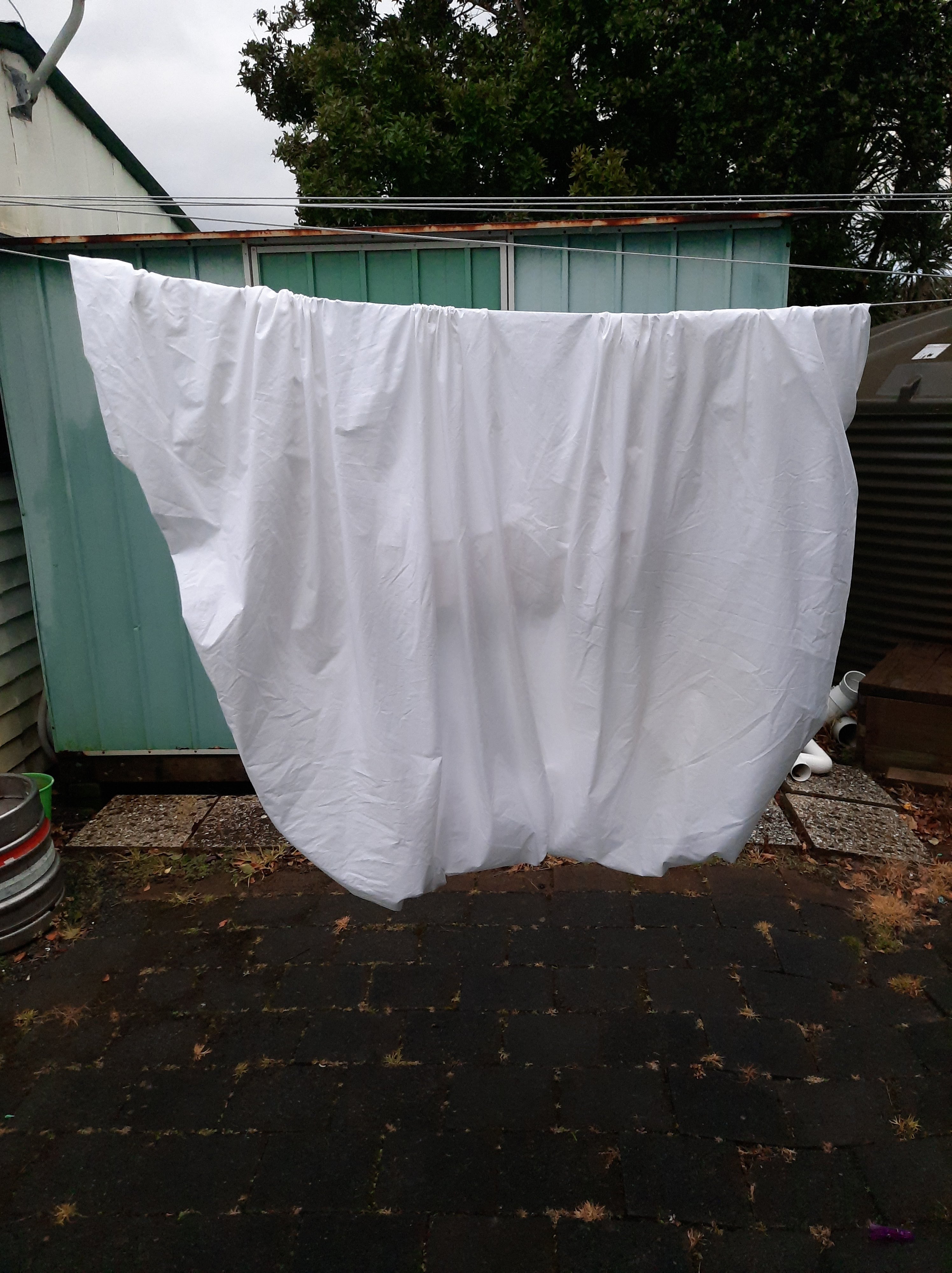
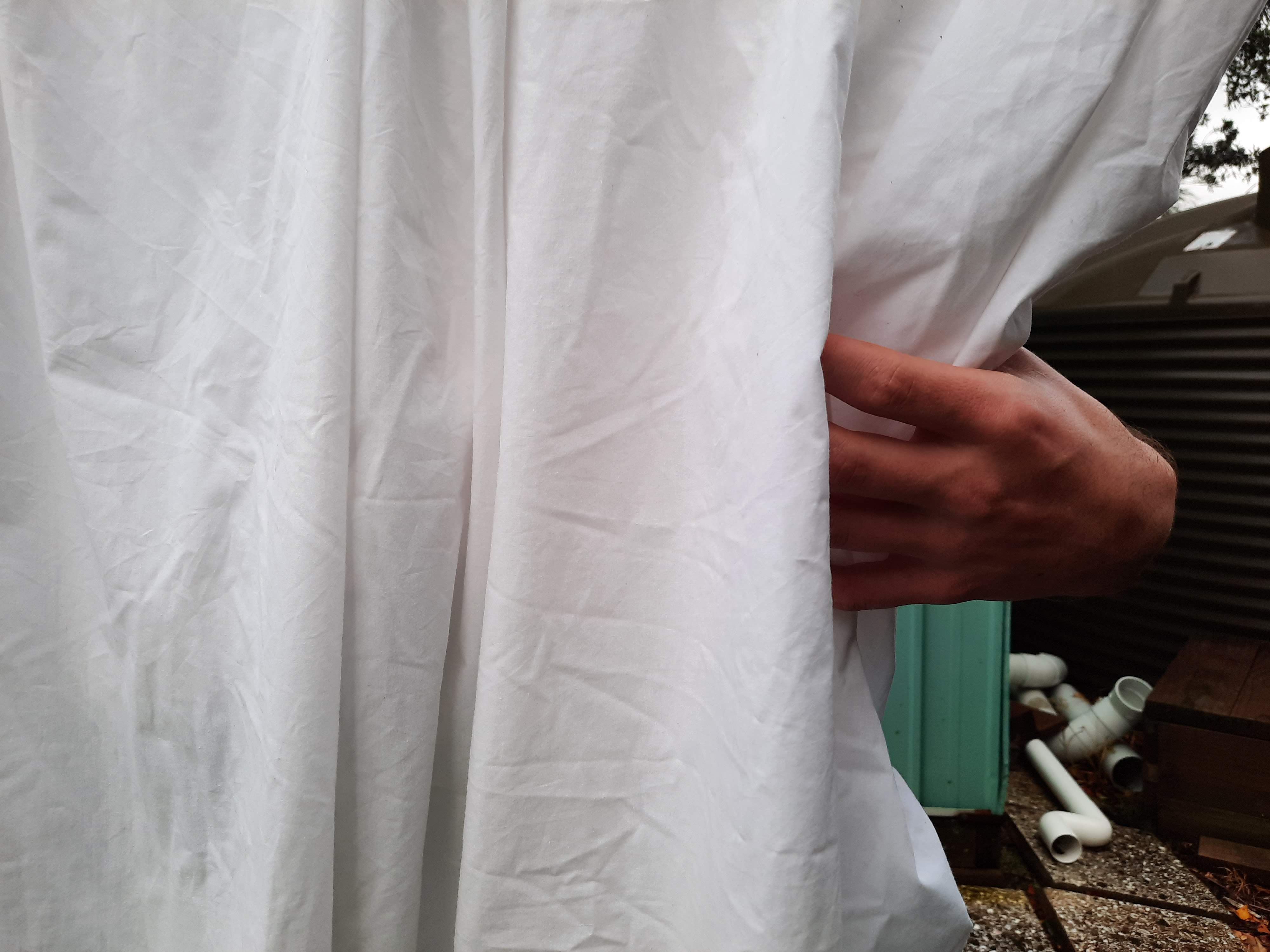
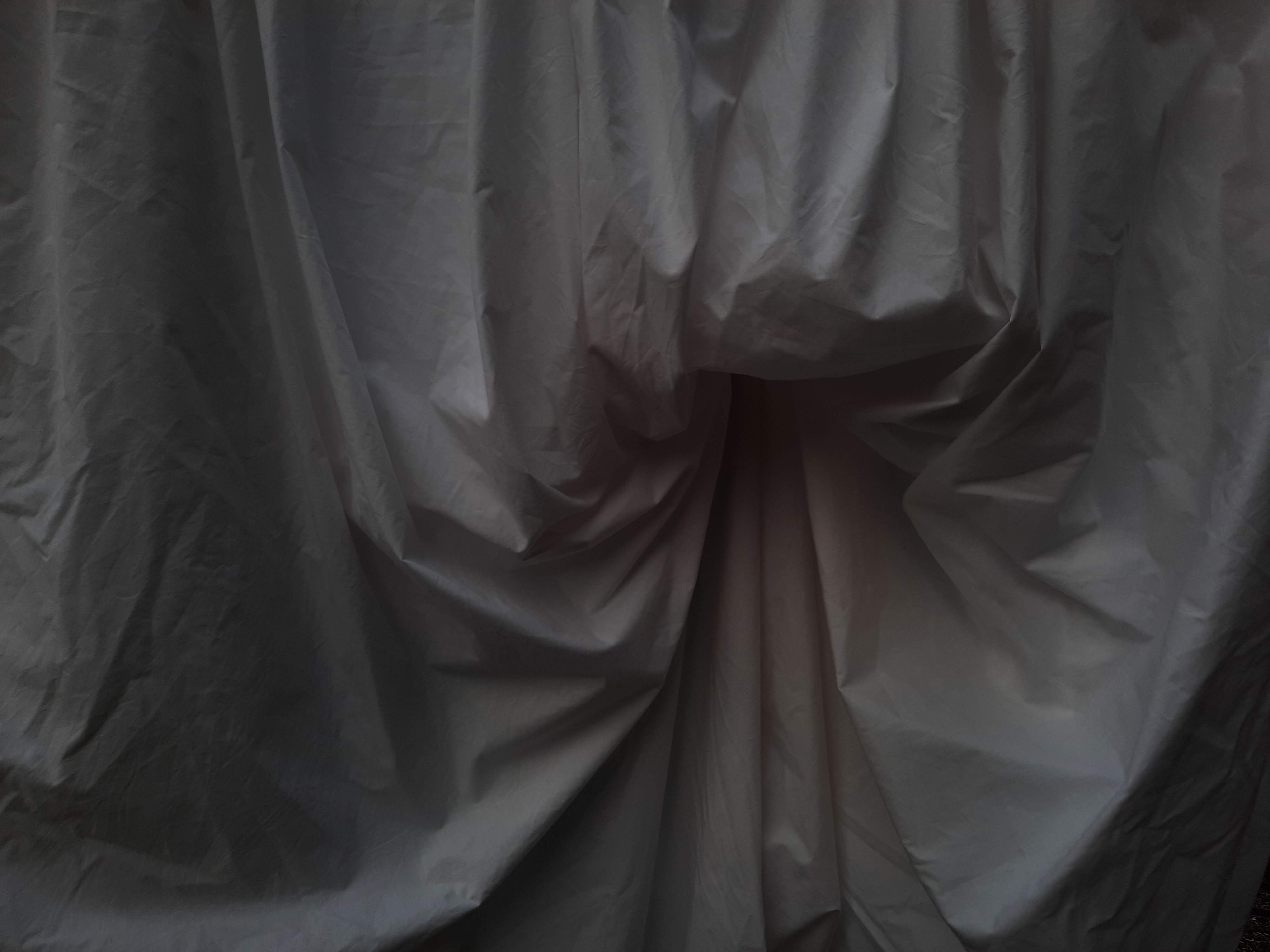
Although not a massive step forwards in my project, I really like how these articulate my conceptual and aesthetical ideas for my project reasonably well.
From there I started doing some research into materiality and different types of fabrics that i could possibly use for my curtain installation. I noticed how difficult it is to understand a material in relation to your project, especially fabric, whe you aren’t able to go into a store and compare and physically touch them. With this said, I did my best to visualise fabrics with their descriptions of texture, opacity, durability, and weight.
After doing research on types of fabrics used for curtains, fabrics used for heavy curtains, heavy fabrics, and fabrics used for stage curtains, I found a few options that interest me. One of the first fabrics I looked into was voile. I have been interested in transparency a bit, specifically in my surface design exploration, and am also interested in the impact it will have on the movement of people in the space and how they interact with one another. After doing further research though, I realised that the transparency level would impact my ability to use the curtain as a screen for projection during film viewings in the theater space and also the lightness of the material would not work well with strong gusts of wind if they were to occur. The fabric would be too fluid on a larger scale.
Another fabric I looked into was cotton. I liked the idea of cotton because it would create a visually sturdier screen for film viewings but it would also allow a certain level of transparency in terms of shapes with particular lighting. I realised cotton may be too light t withstand wind gusts but after further research, I found that heavy cotton or polyester could allow me to create a thicker and heavier curtain. With this I would lose transparency but this isn’t as important of an aspect to my design as the stability and weight of the fabric is. This is a possible option.
I also did a little research into linen. I liked the aesthetic of linen curtains but they didn’t give the stability I needed. The final fabric that I thought could be a possible option was canvas. Although not a tridiagonal option for curtain material, I like how durable and stable canvas can be. Although no transparency without harsh backlighting, I like how heavy canvas will fall and also with the curtains being so large, stiffness won’t be an issue in the organic folding form it will create. I also like the metaphor behind it; I am creating the blank canvas that local creatives will leave their mark on; a vessel for creativity. One of the aspects of my surface explorations that I became really interested in other than the folding forms, was the woven texture of the fabric; canvas will give me this texture.
Although I am not fully decided and I want to do some further research into fabrics and materiality, I think I am leaning more towards canvas as an option for my curtain fabric.
 Spatial Design by Ciara