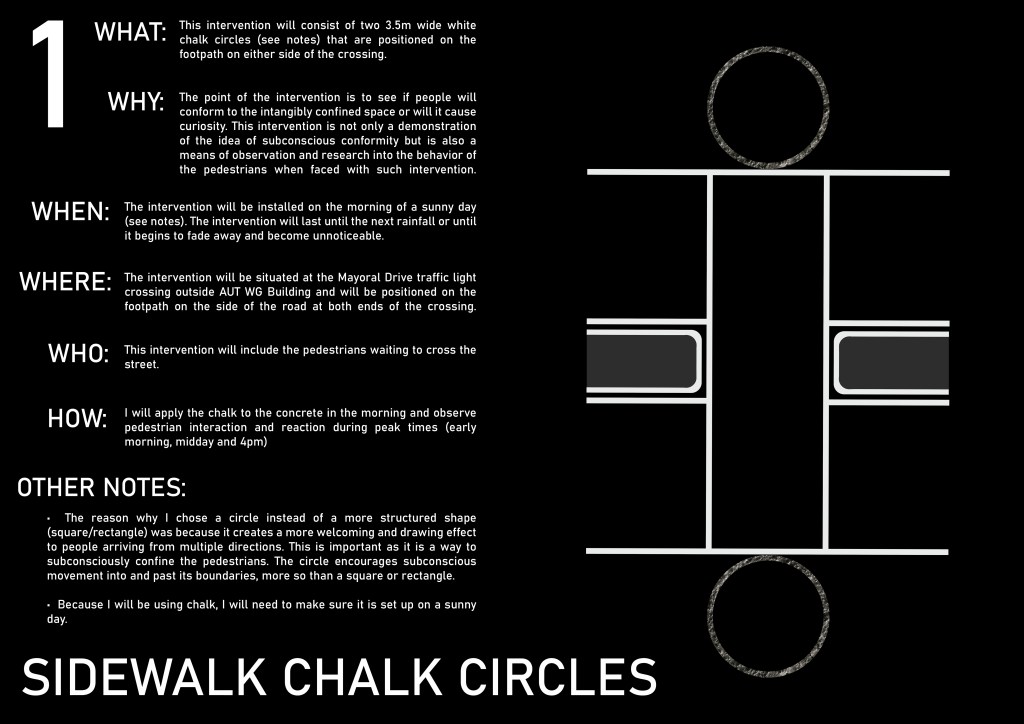
On Monday 14th September 2020 at 12:20pm I set up my intervention at the Mayoral Drive traffic light crossing outside AUT WG building. With the help of a friend, I measured and drew a a circle at the edge of the crossing with chalk. I had originally planned to use white chalk but then decided to use yellow. This was because the white lines on the road indicate boundaries in a way that is telling the pedestrian to not cross over it and stay within the confinements of the drawn out space. If I were to draw the circle with white chalk it would imply a similar set of rules: don’t cross over the line, therefore stopping people from entering the circle. The reason I chose yellow was because it is the same colour as the tactile tiles at the edge of the crossing next to the pole. Although this is positioned for the vision-impaired, the tiles still indicate a sense of gathering and indication of the space, encouraging people to stand on them. Making the circle yellow was to help encourage the subconscious to stand within the circle.


I had also originally planned to make the circle the same width as the crossing itself but after consideration, I realised that this could quite possibly impact my observations. I decided that if the circle was too big I wouldn’t be able to tell if people were drawn to the circle or if they were just standing there because it was the default area to stand when waiting to cross. By making the circle smaller, it would allow me to notice peoples reactions and movements in relation to the intervention and help me differentiate between those subconsciously guided into the circle and those not. This is why I made the circle 1.5m in diameter and positioned it central to the crossing.


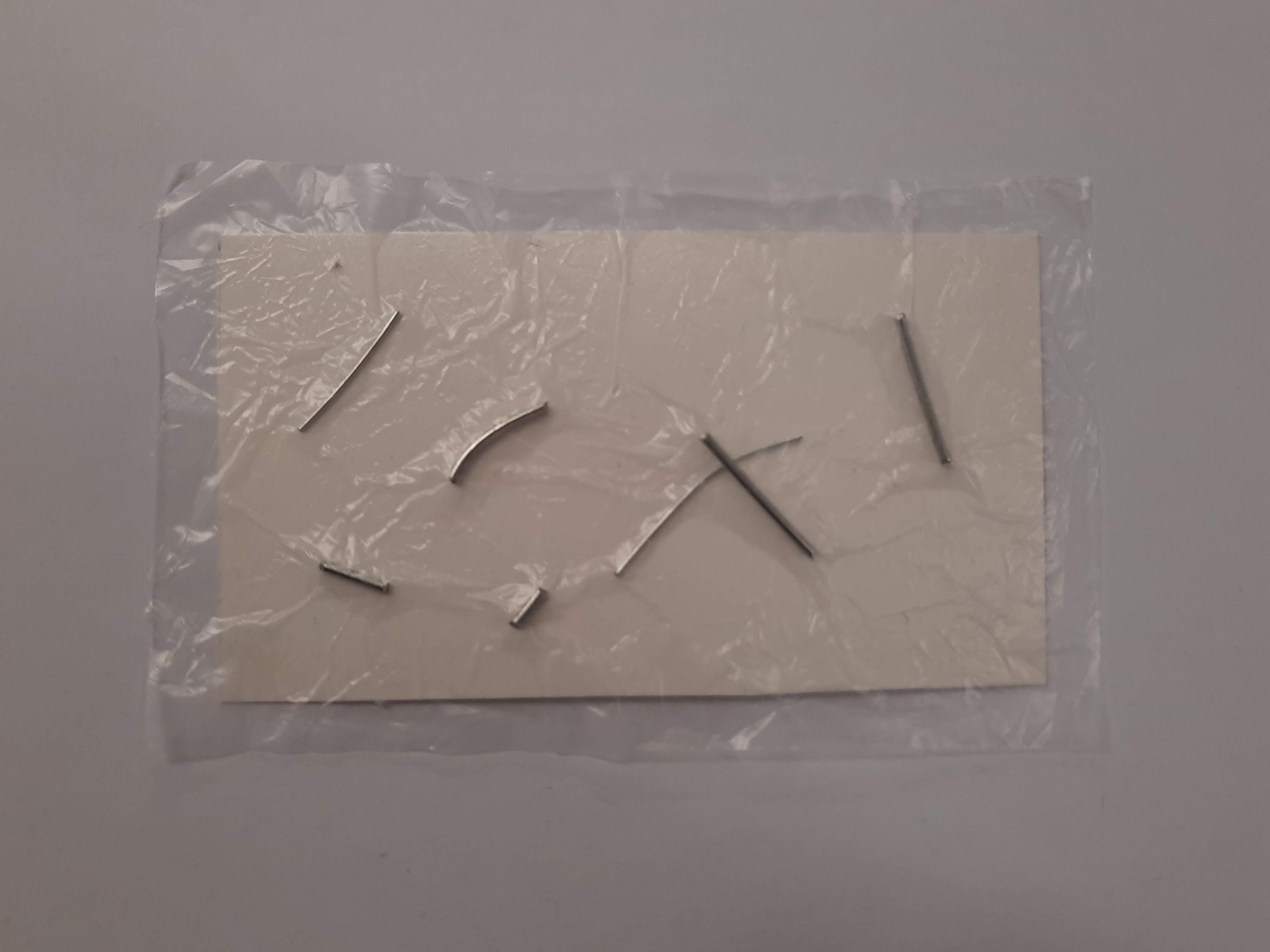
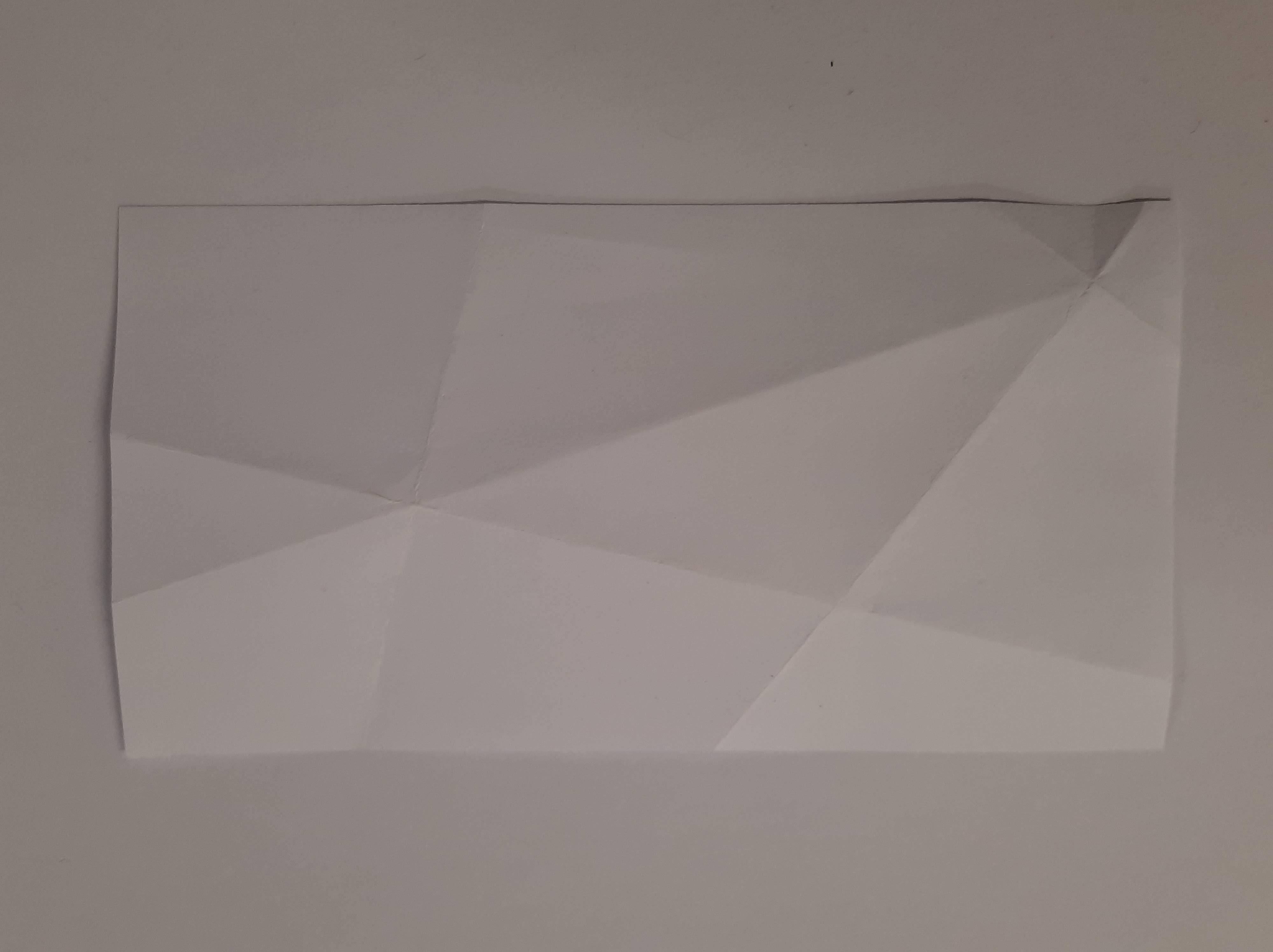
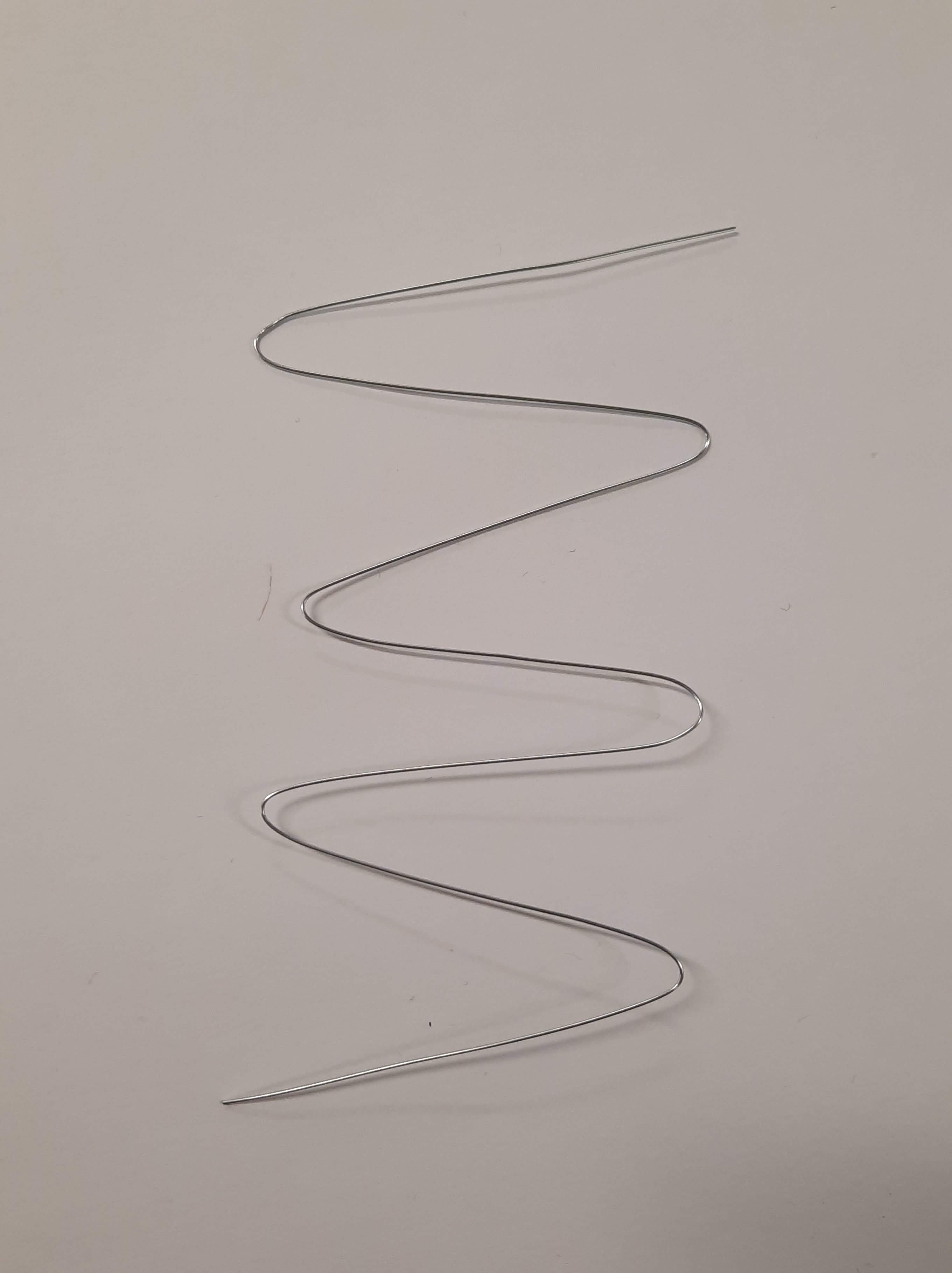
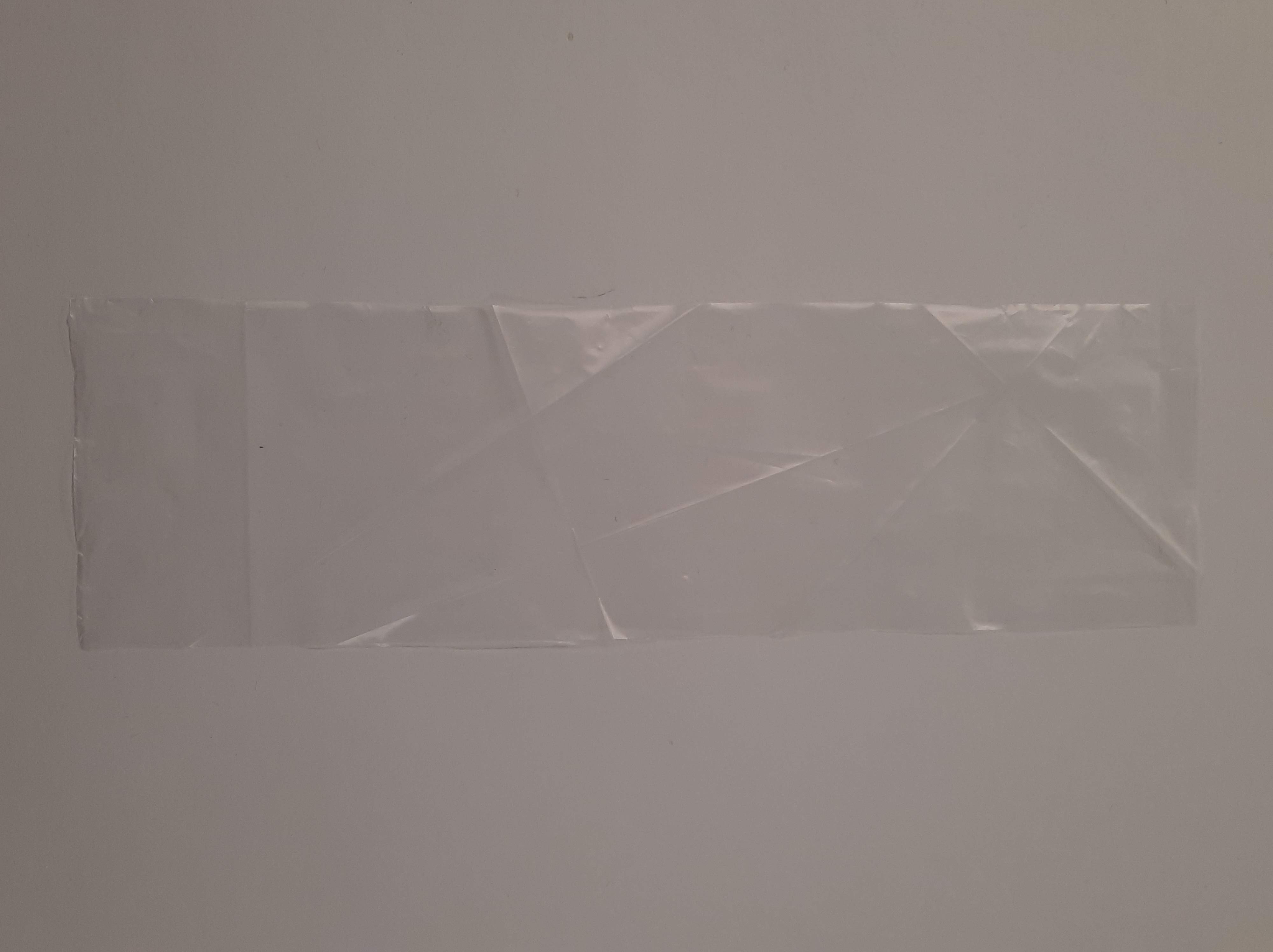
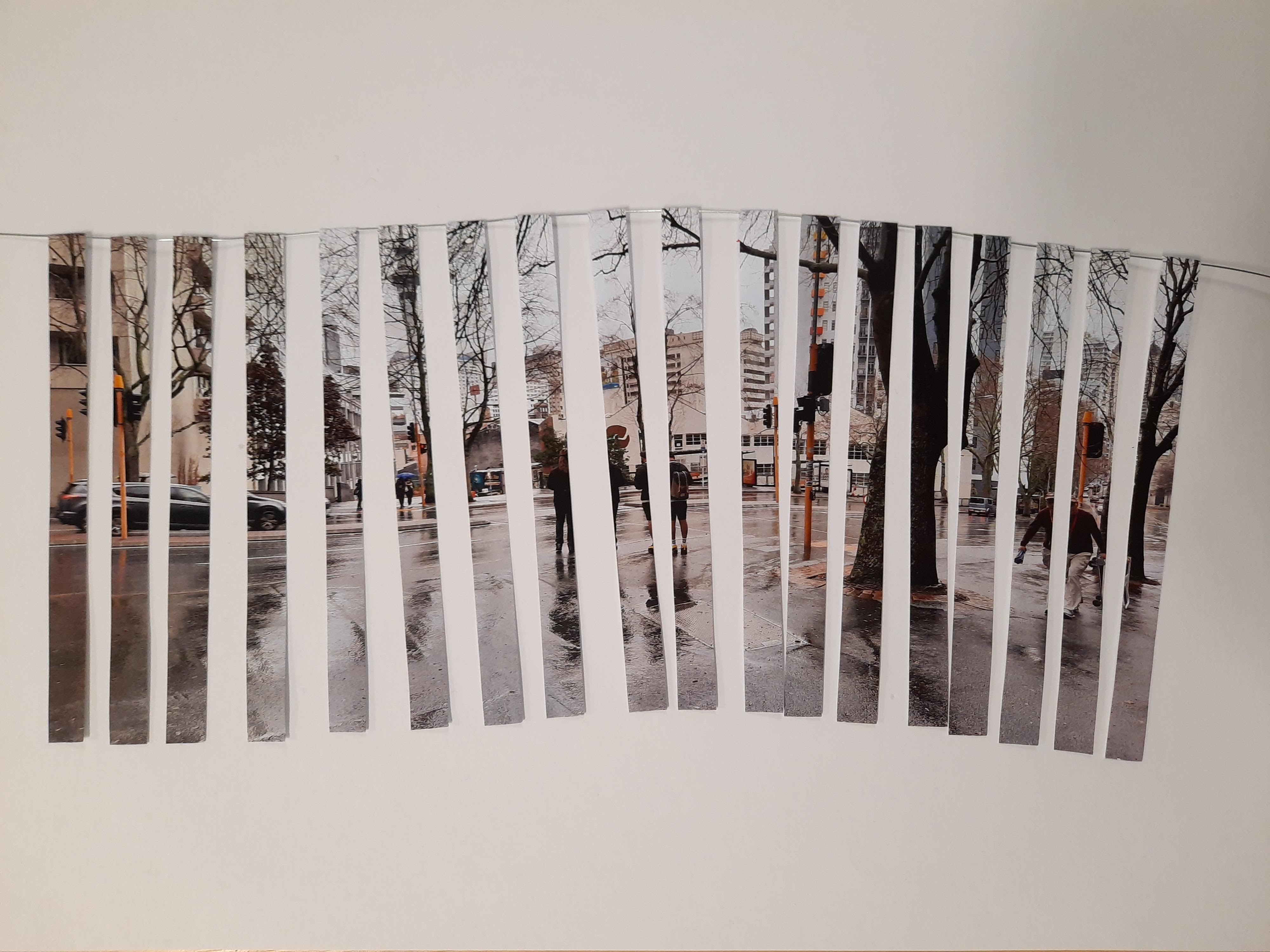
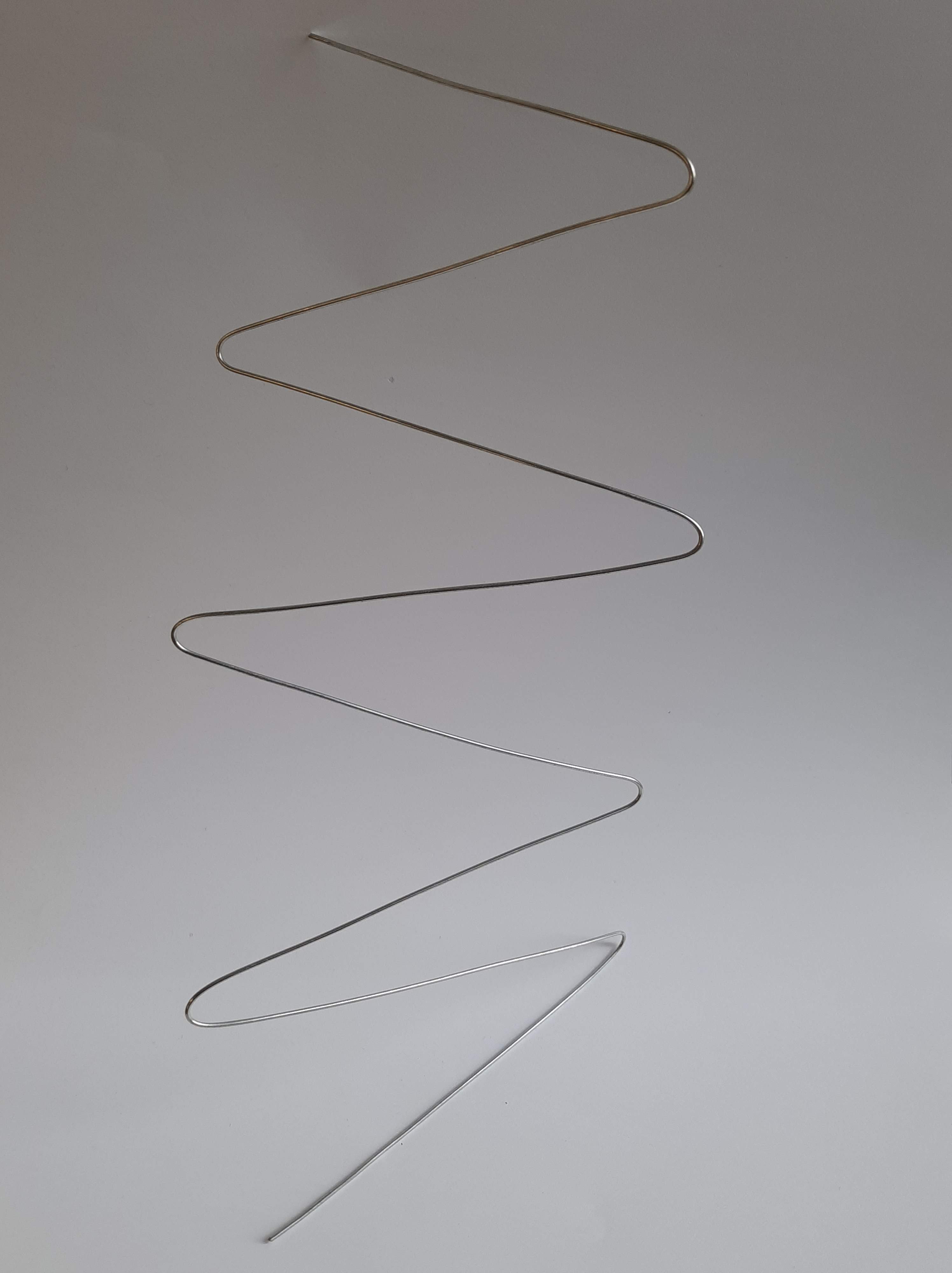
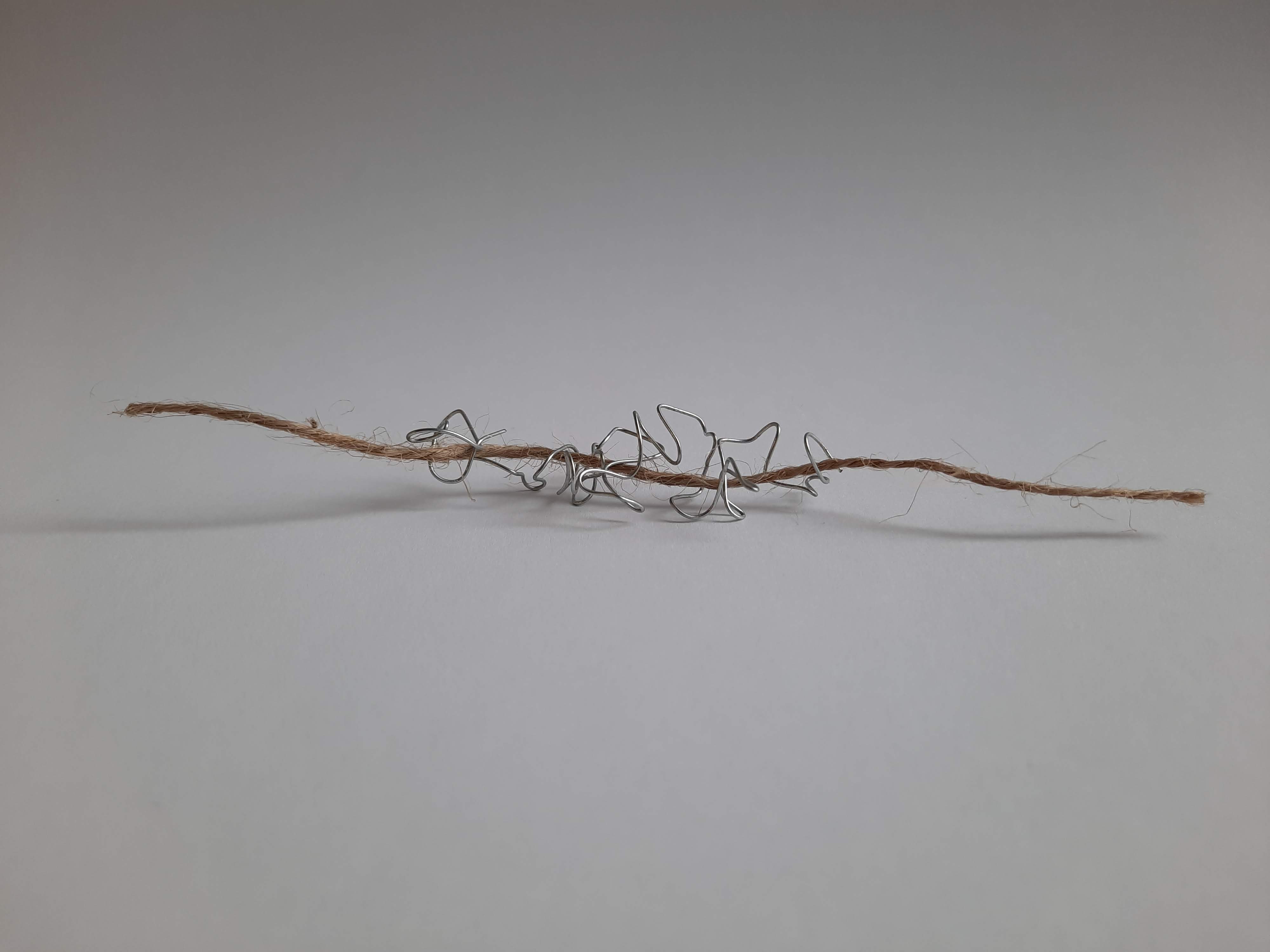
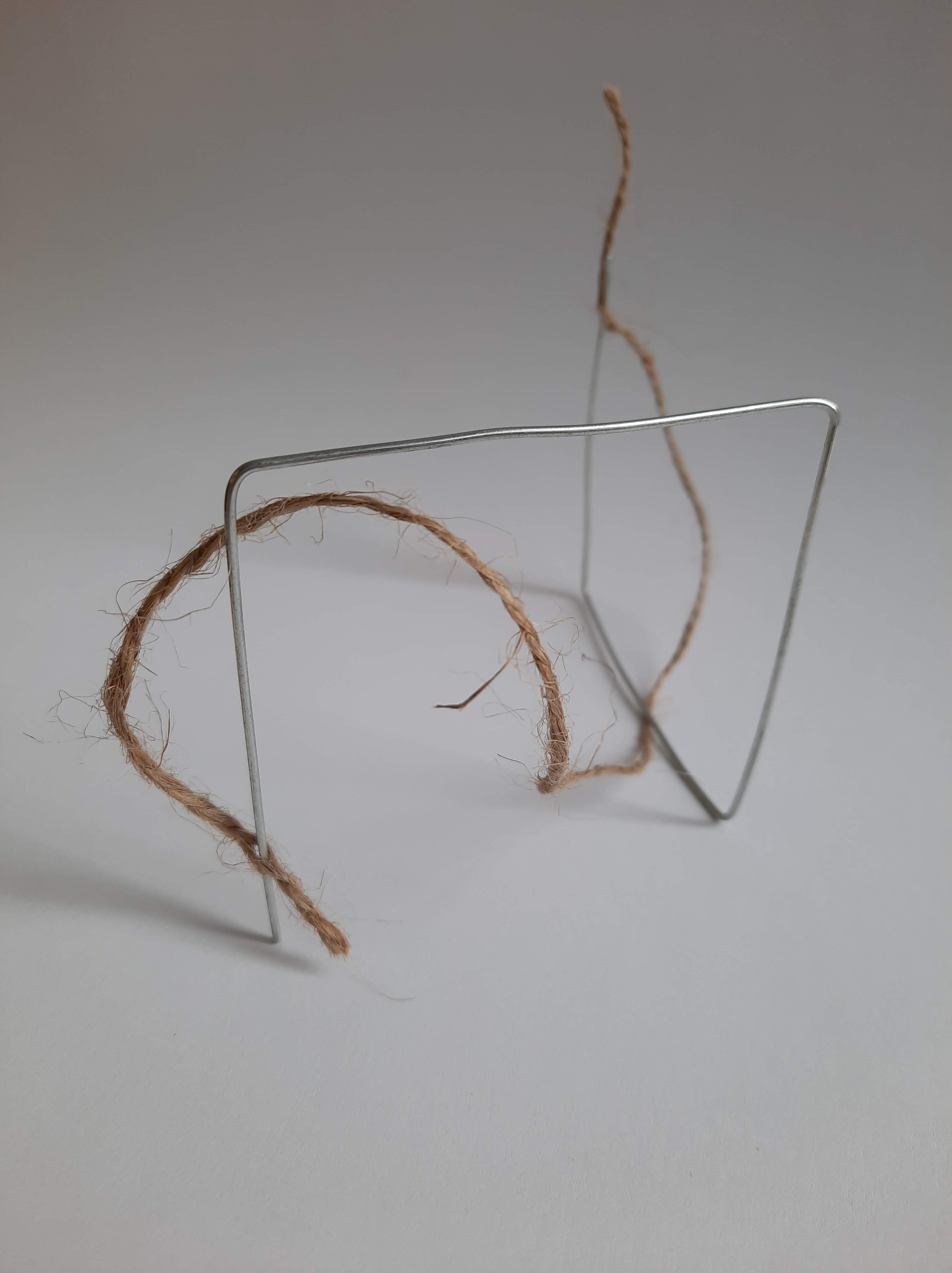
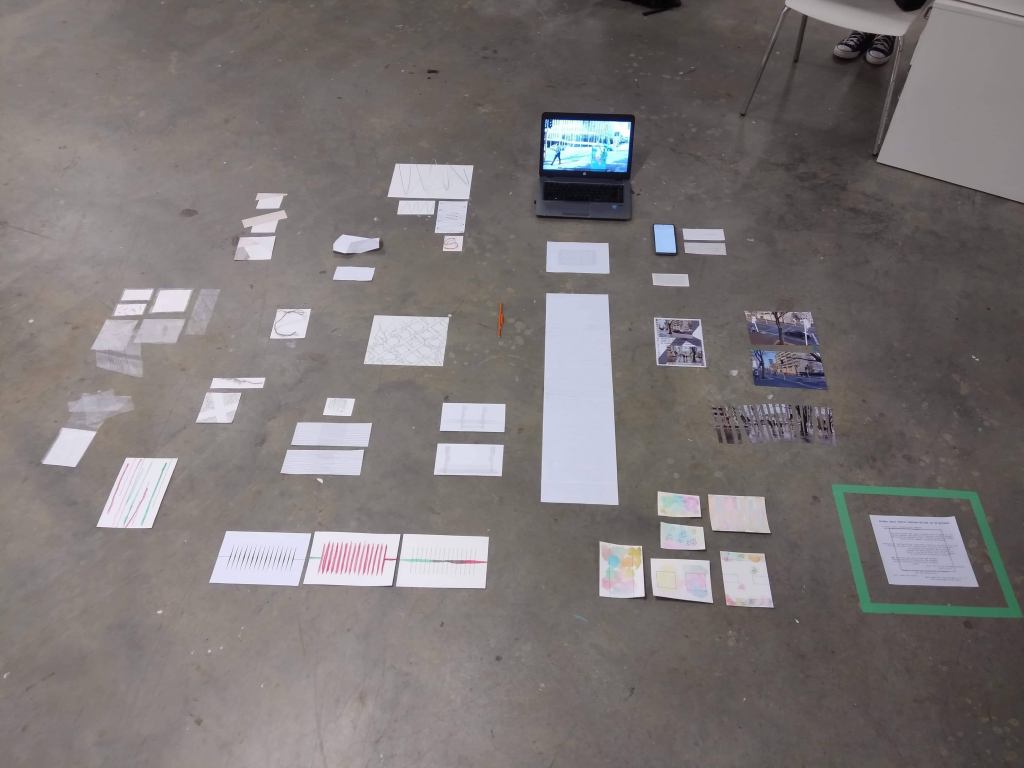
At this point, I still haven’t decided how I want to layout and display my designed artifact but I begin observing and writing down my observations in chronological order.


I began my observations sitting next to the steps up to WG but then a light drizzle began so decided to move into WG and watch from a window on level 3. This allowed a better view of the pedestrians and their movements and also meant I was fully removed from the space, not causing distraction or curiosity. In essence, this intervention is more of an experiment on pedestrian behavior and movement in relation to the applied boundaries. The intervention is the result of previously observed behavior and movement in the site.
As I observed, I noticed how different the reaction was to what I had expected. Based on my observations and documentation in Part 1, I designed my intervention to see how people would subconsciously conform, expecting the circle to initiate a sense of gathering. Although the circle did act like a boundary line, its effect was inverted. Rather than people naturally gravitating towards the inside of the circle, people gravitated to the edge of the circle, standing on its boundaries rather than within.
Some other points I noticed were that people crossing from the opposite side of the street didn’t notice the circle as they approach it as well as the impact the pole and tactile yellow tiles play in the subconscious selection of where to stand and wait. I also begun to notice the external and environmental factors that impacted this “experiment”. Even though I conducted this intervention on a weekday during lunch, there was still a lack of foot traffic as a result of AUT mid-semester break and Auckland being at Covid-19 Level 2.5. This along with the lack of vehicular traffic meant that it was very difficult to get a larger group of people stopping and waiting at the crossing. Many people crossed when there were no vehicles around. These factors that I couldn’t control did impact and play a part in the results and observations I received. I found it quite fascinating how my intervention had the opposite impact I had predicted it to have.


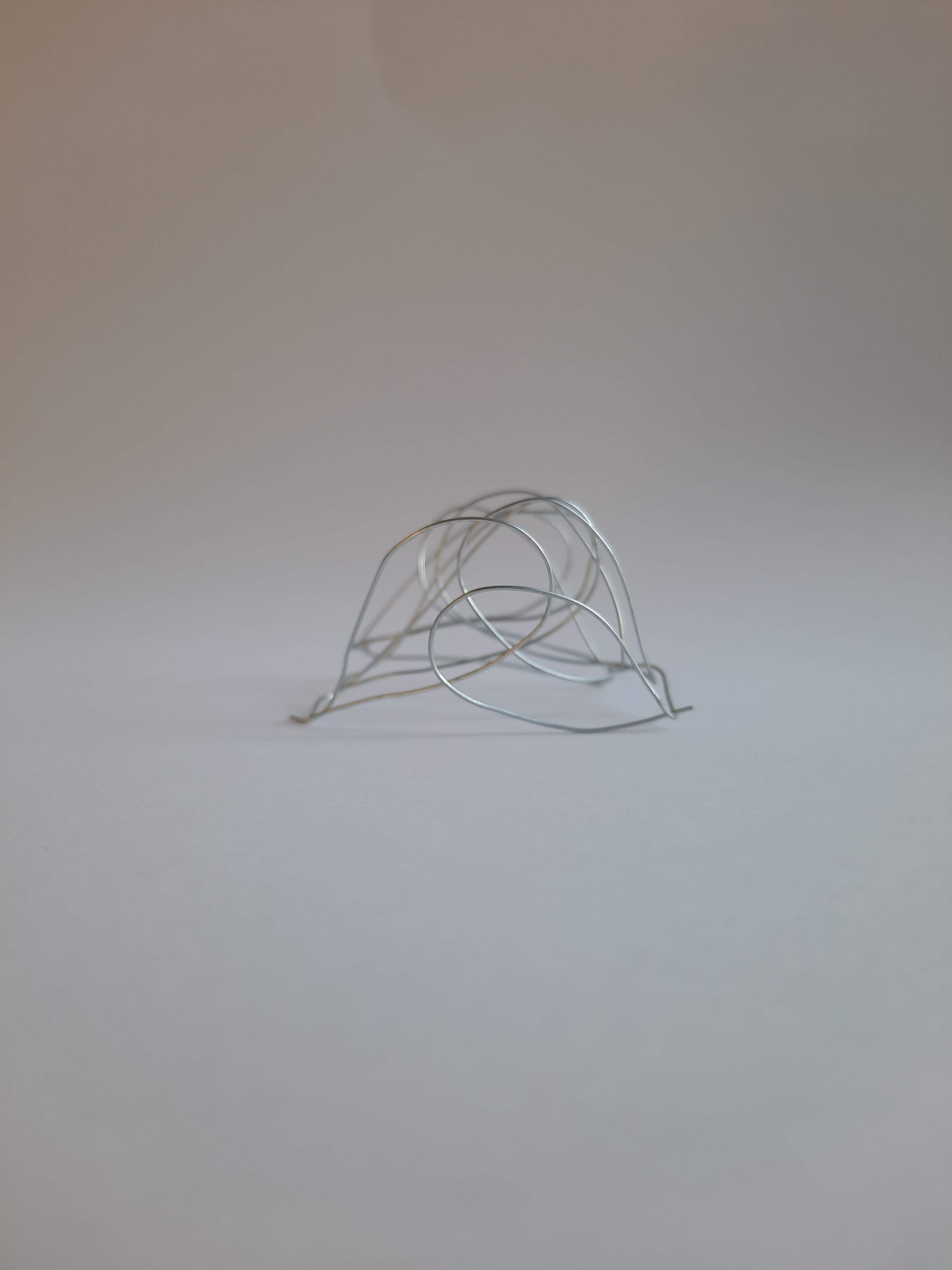
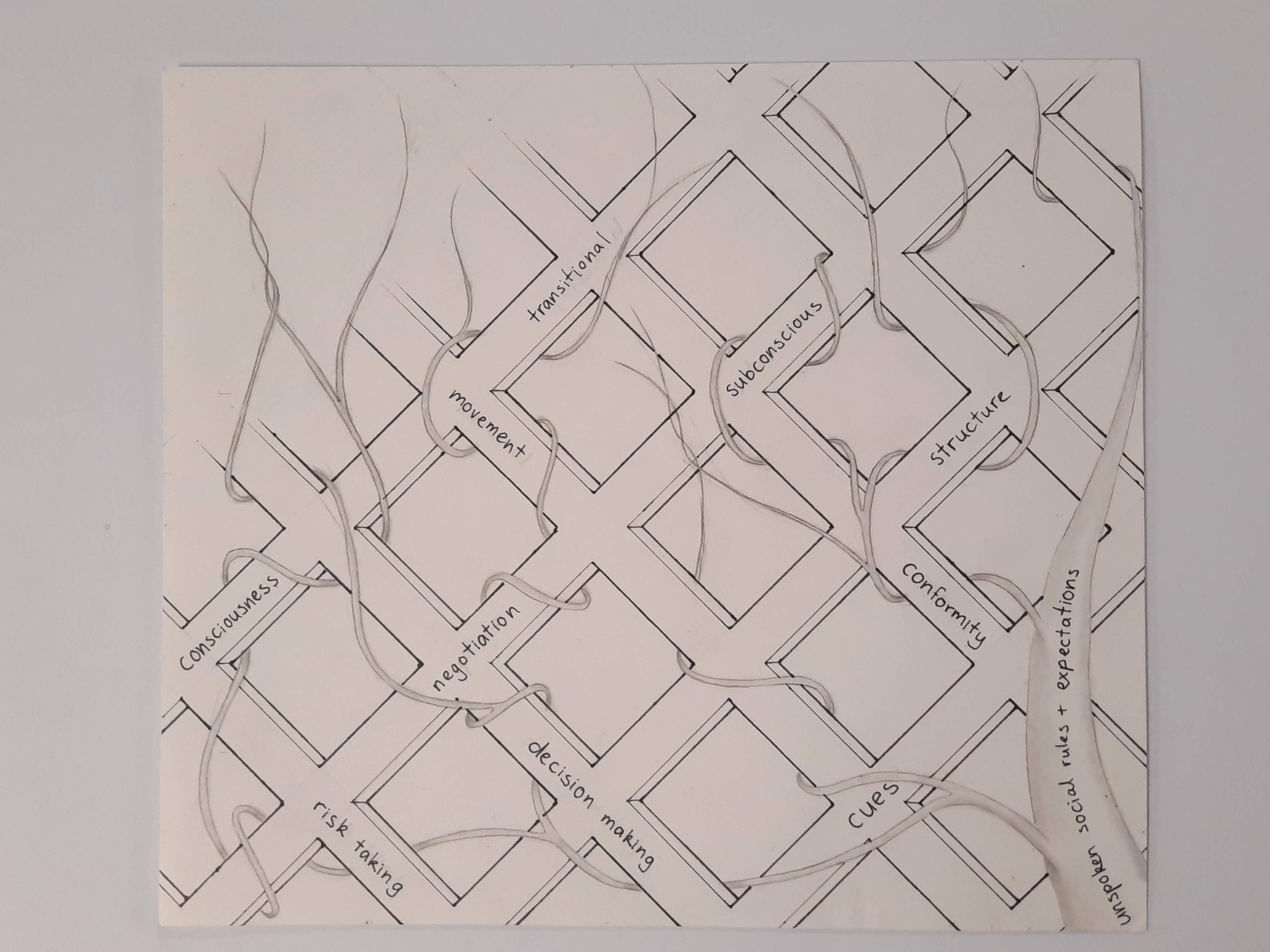
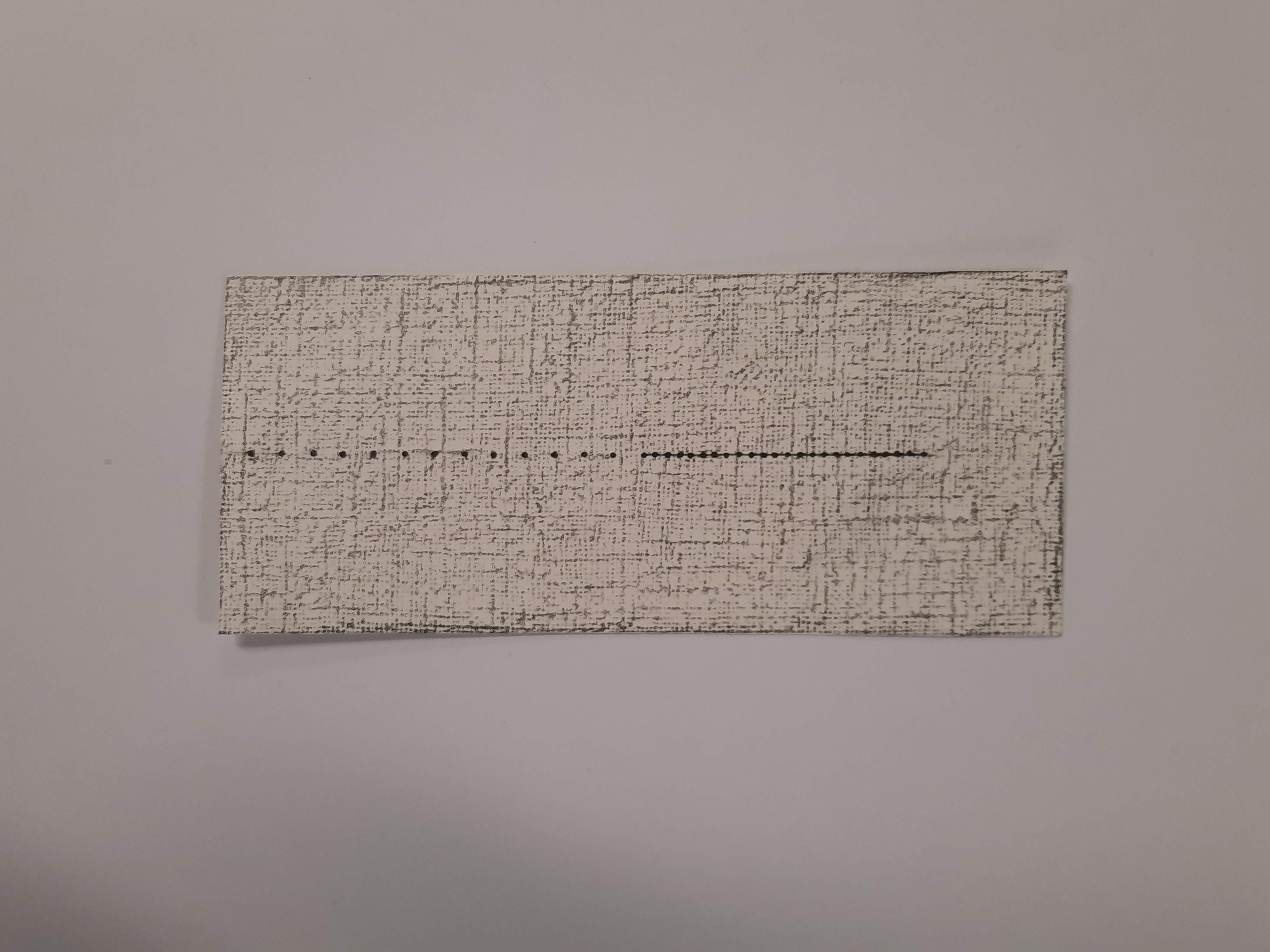
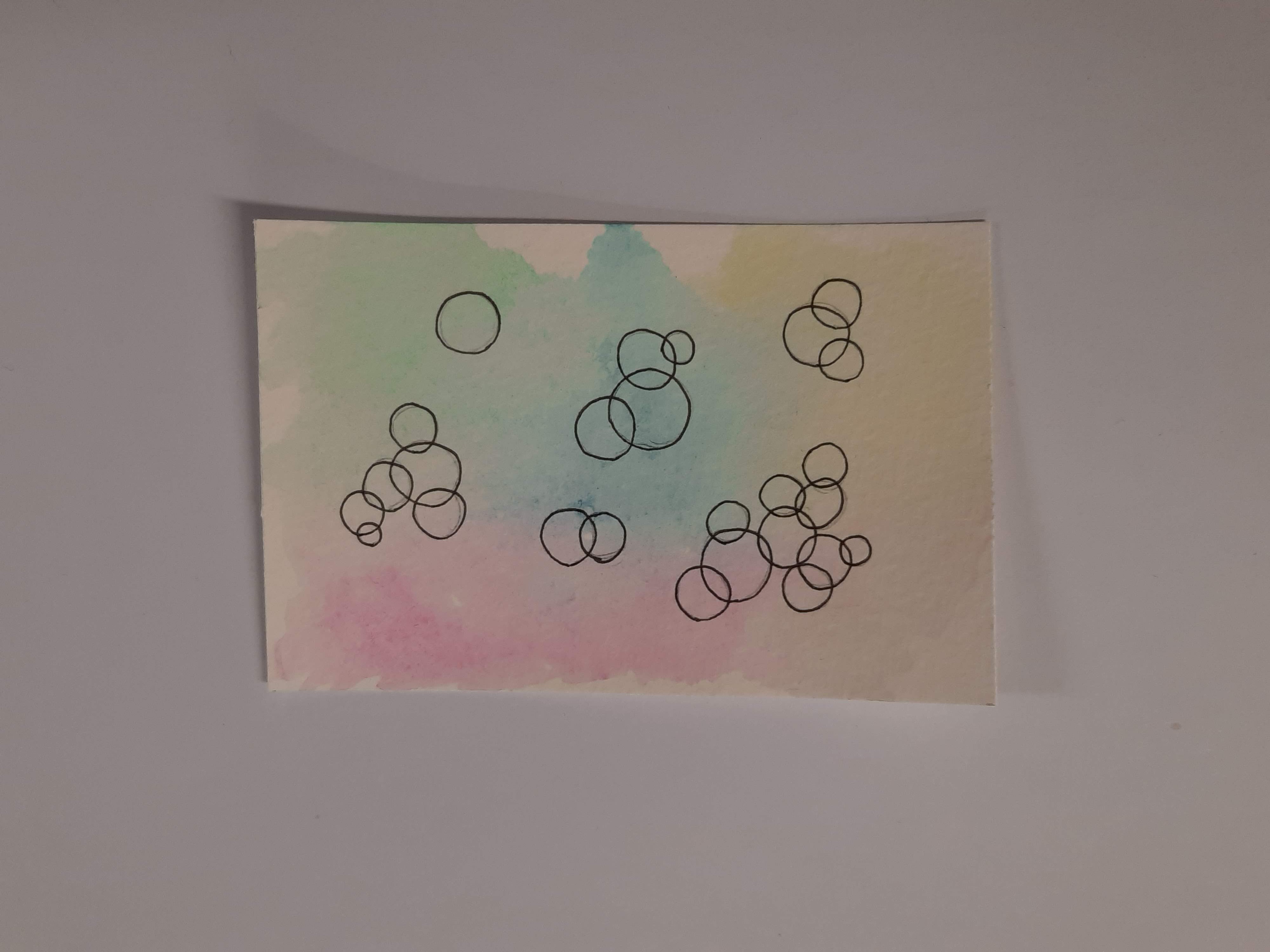
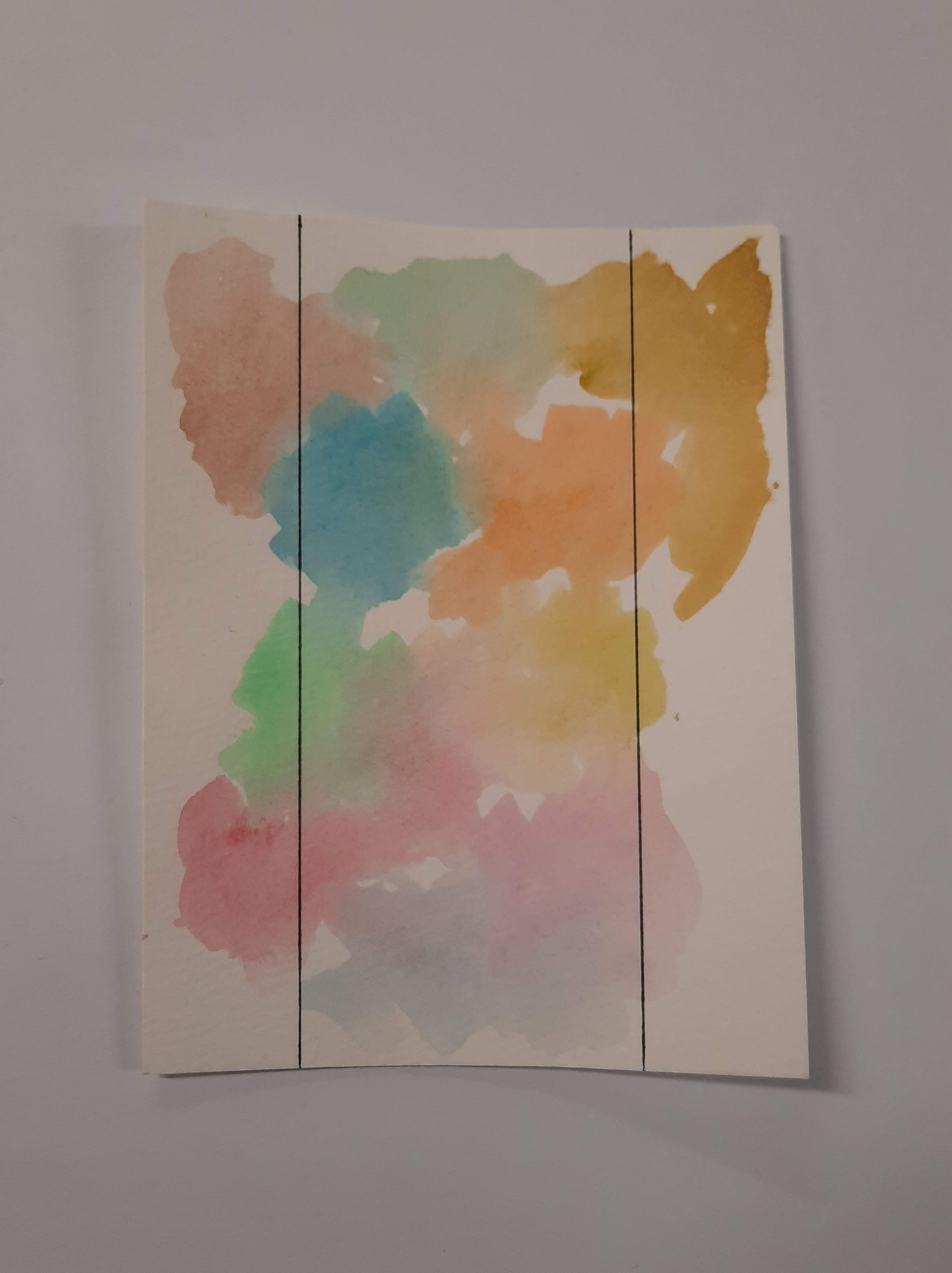
I finished my observations at about 1pm. I returned the following day and figured my intervention existed for about 24hrs before it was washed away by a light downfall of rain. This idea of temporary application to a surface helped lead the direction of my designed artifact.























 Spatial Design by Ciara