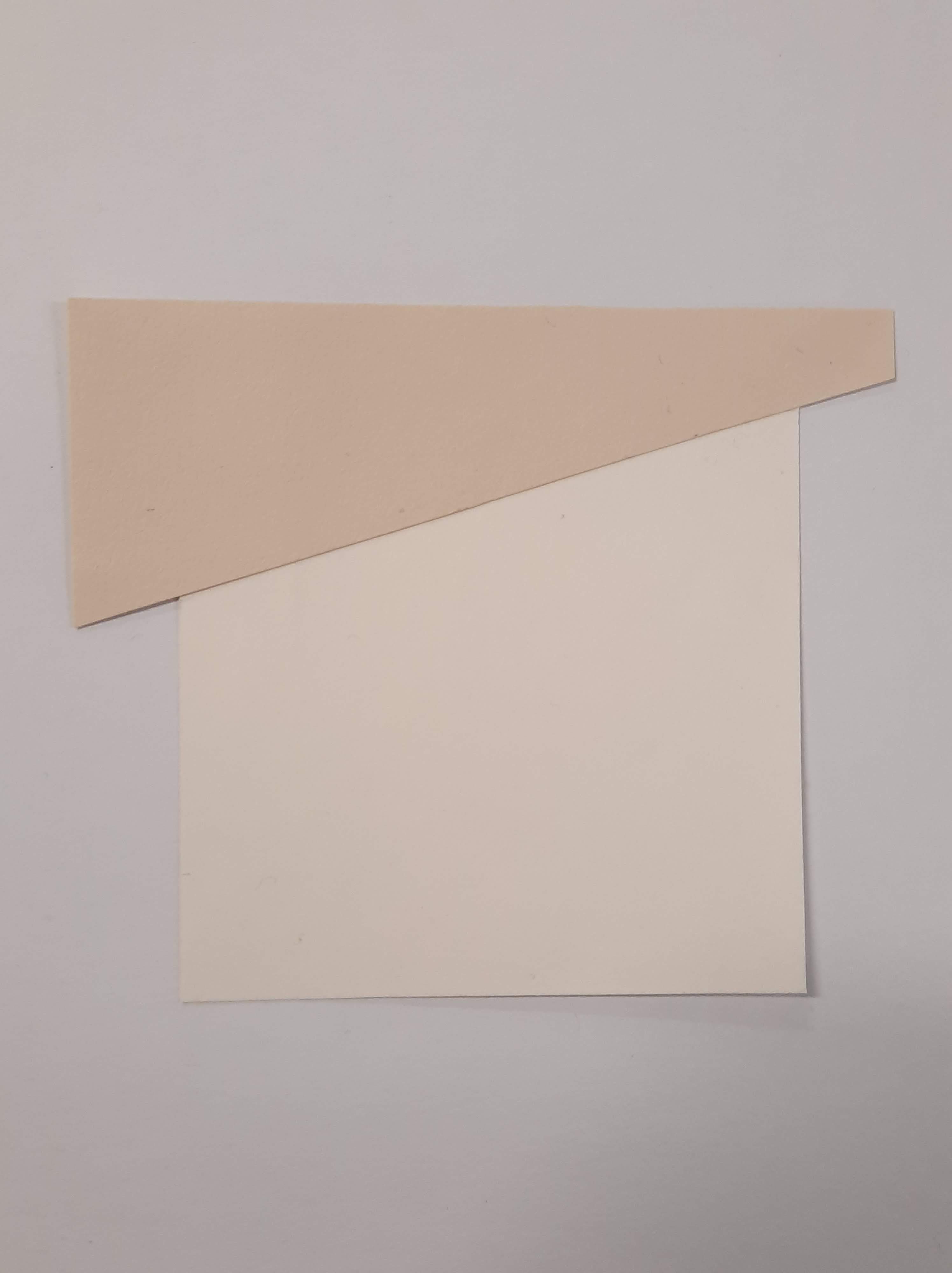
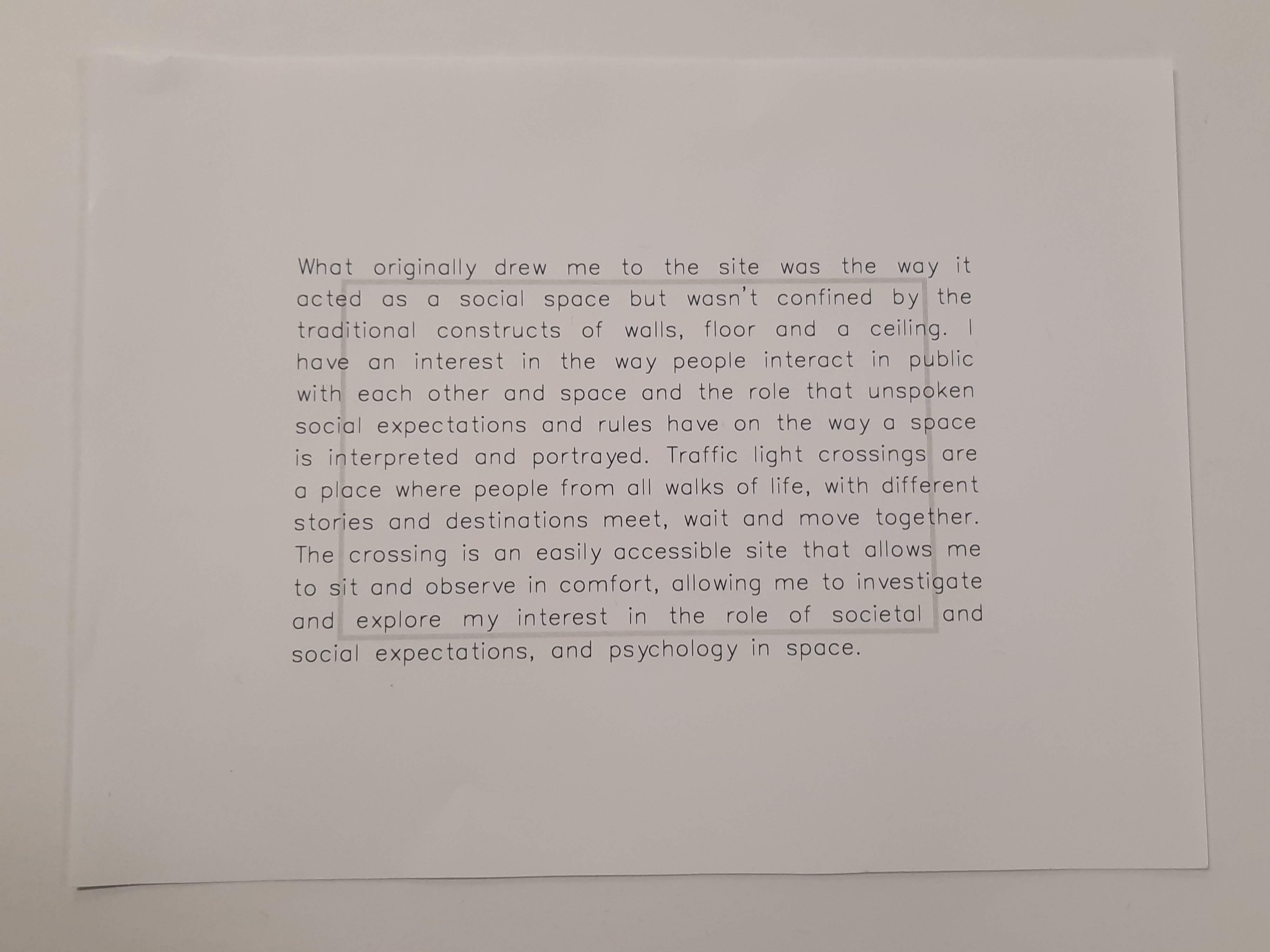
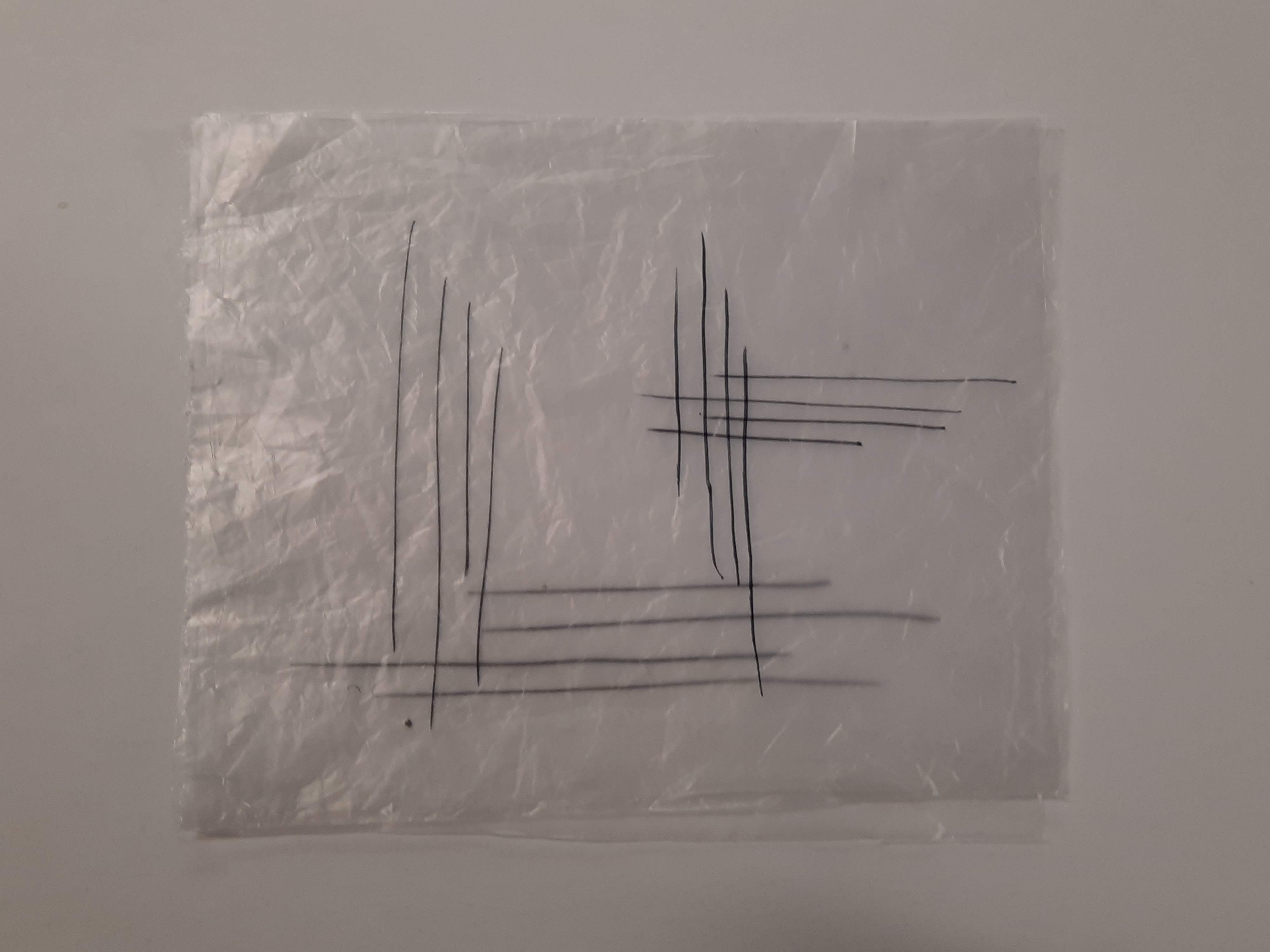
Week 7: Proposal Feedback

This week we all put our current proposals into a shared Google Doc and gave each other feedback. This was helpful because it not only allowed me to get some good feedback, it also allowed me to look at others work and see how they are approaching it. One of the main things I miss about on campus class is being able to see and talk about my own and other peoples work with my peers and get a better understanding of things when I don’t understand them. It allows me to refocus on where I am heading and what I am wanting to achieve. If I feel a bit confused or lost about something at home, it is difficult to casually discuss and compare work with my classmates.

I didn’t get much feedback or ideas on how I could approach proposal 5. With that said, I have decided that my fifth proposal will be a flyer handout with the rules of the crossing, highlighting the unspoken rules of the crossing and a public space.

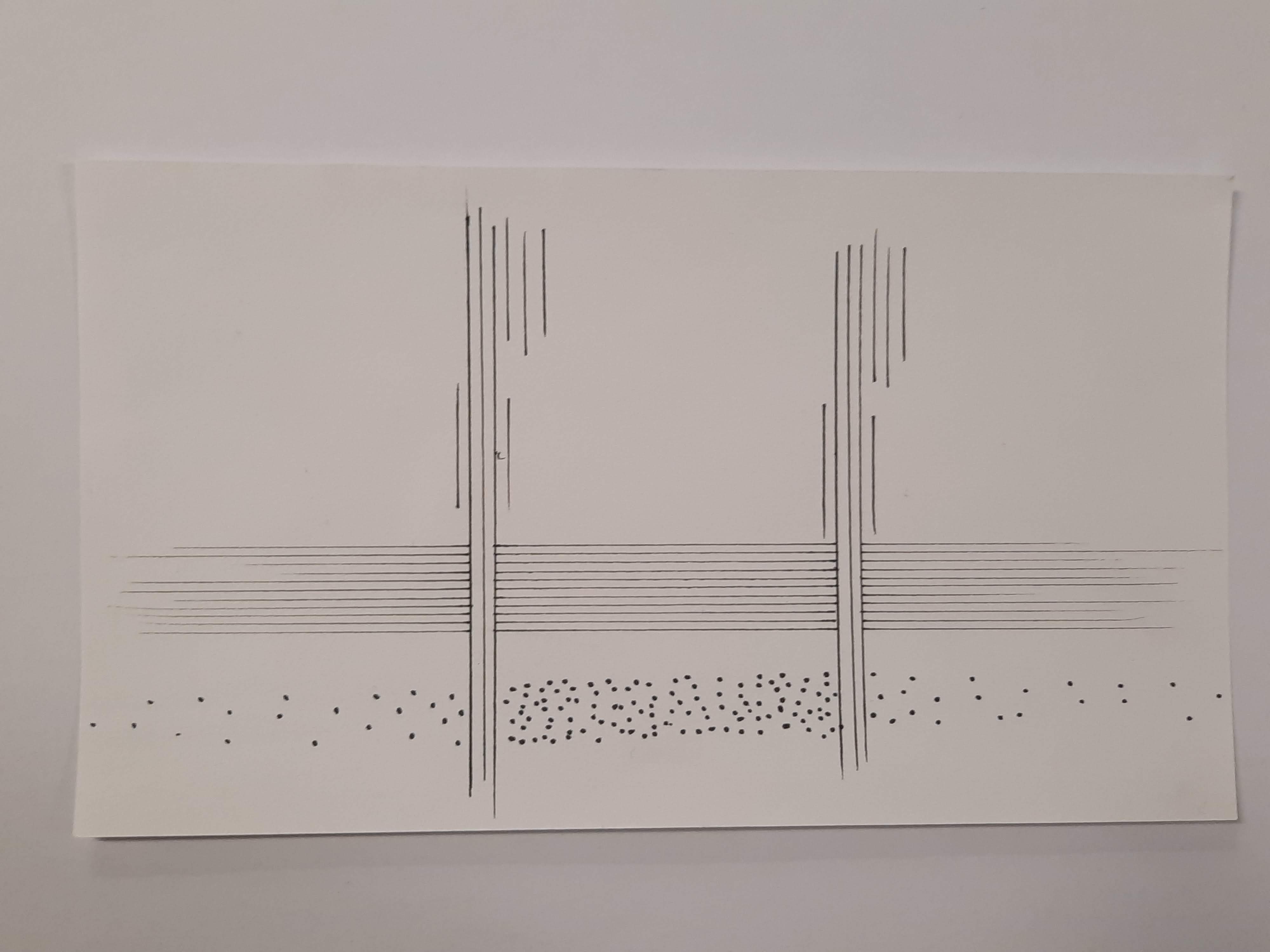
I continued to work on my proposals this week. Since I have already explored the ideas through words, I decided to focus on visuals. For Proposal 1, I have decided to explore the visual through a simplified line work drawing of a plan view of the space. The reason I have decided to do this is because it articulates the idea of structure and therefore conformity which is not only an important aspect of my site, but also an important concept in this proposal.

I have decided to create this work digitally because it allows me to generate precise, clean-cut and structured line work. In order to get the proportions right, I began with a pencil drawing and used this as a template when creating linework in Illustrator.

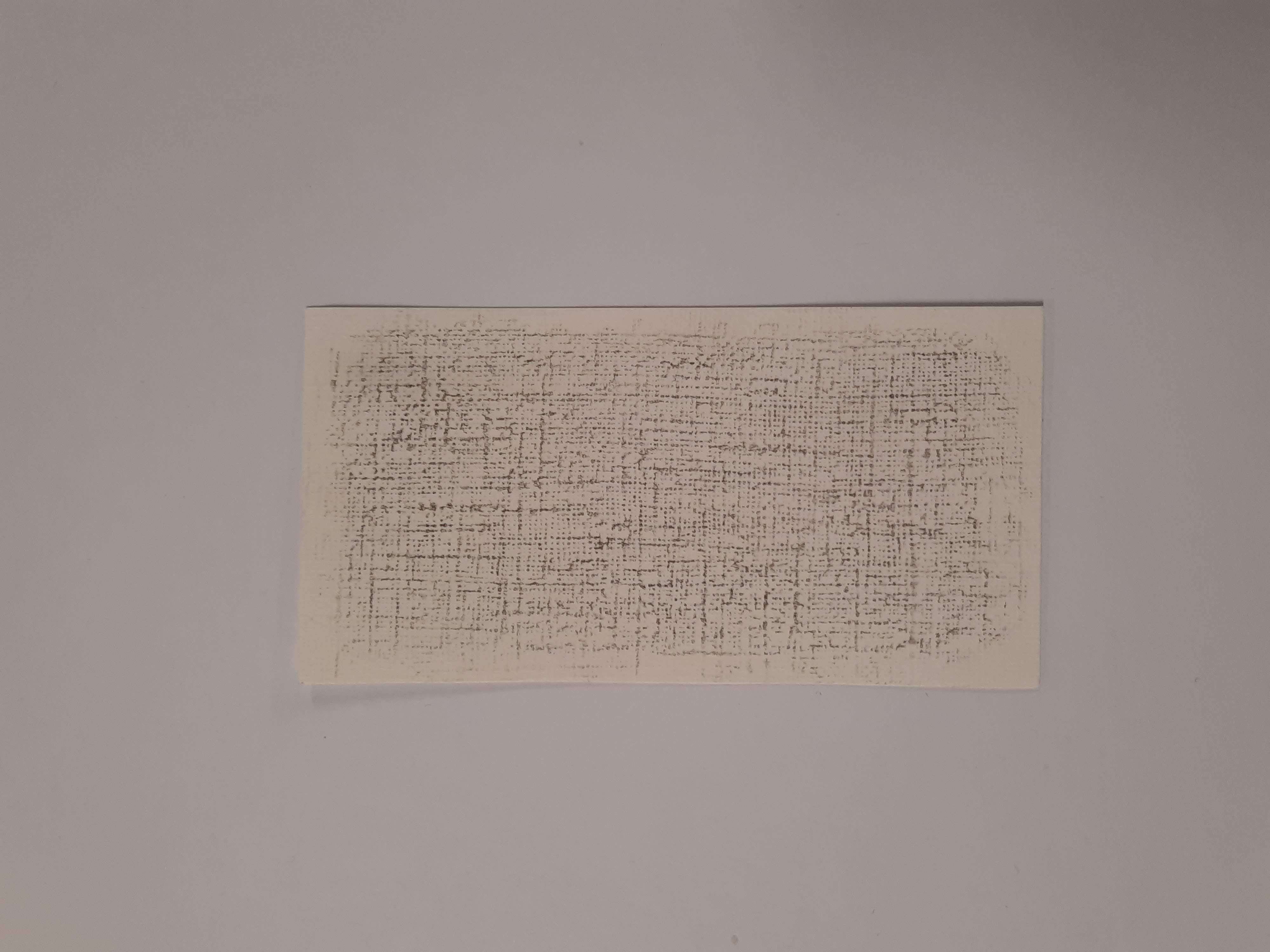
To articulate the textural and material qualities of the intervention, I did a concrete rubbing with graphite pencil.

From here I used Photoshop to cut out circles of the rubbing and positioned them on either end of the line drawing to communicate the chalk circles inserted into the space. In order to emphasize the line work and articulate the site, I then made a negative of the image and edited further to create a final visual (below).

For Proposal 4, I have decided to create a visual of what the leaflet will look like. I think this will best articulate my proposal idea. Because this is an instructional document as to how to move and behave across the space, I have decided to use a similar template from Proposal 1 and create a simplified map of the space. I have decided to make this document fully digitally because not only will it be a digital hand in, but it will also help make it look clean-cut and professional which will help maintain the theme of an instructional document. Below is the map visual I created.

In terms of the set of instructions, I created a draft if how I wanted them written and then inserted them in the map visual (below).

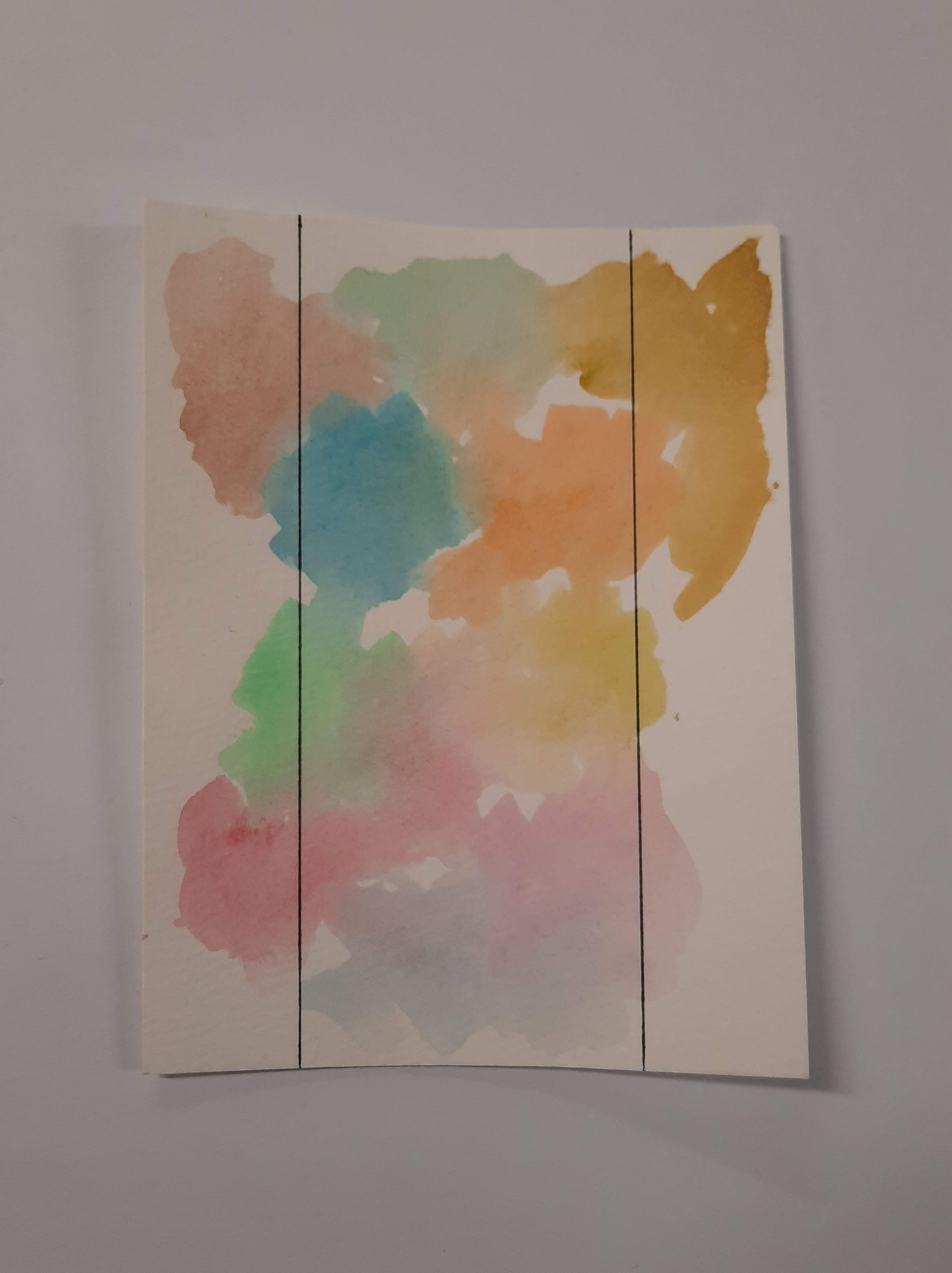
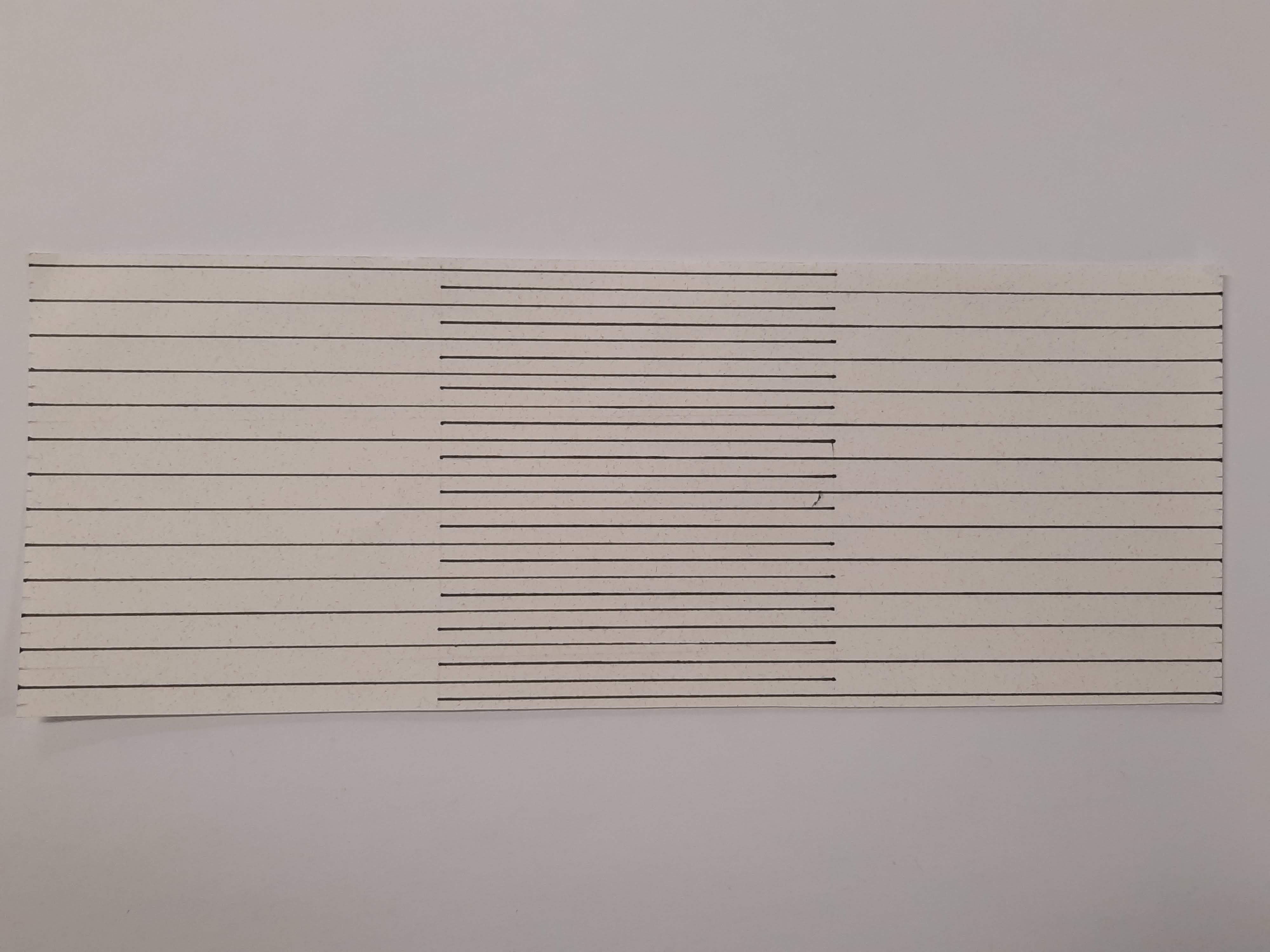
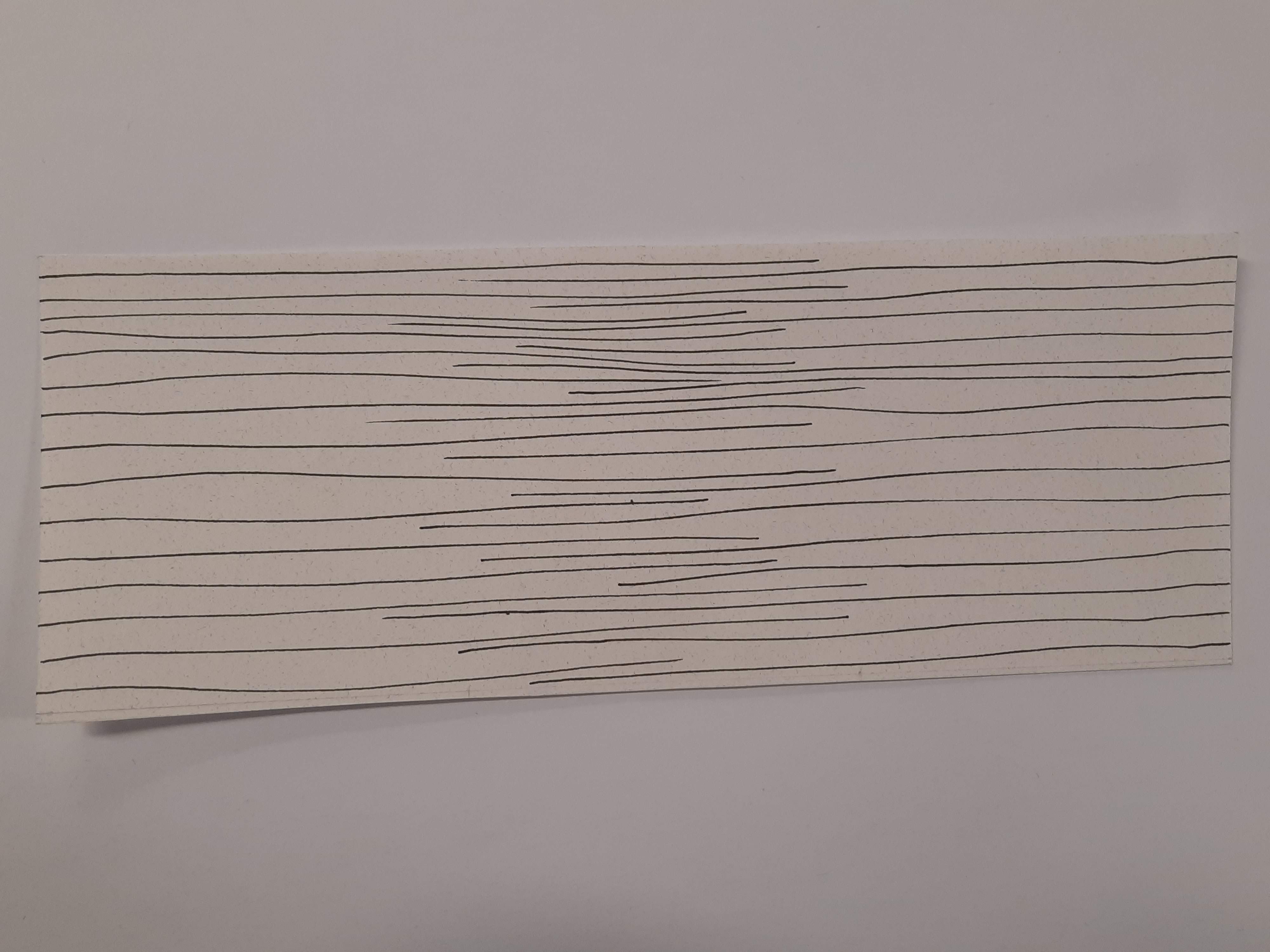
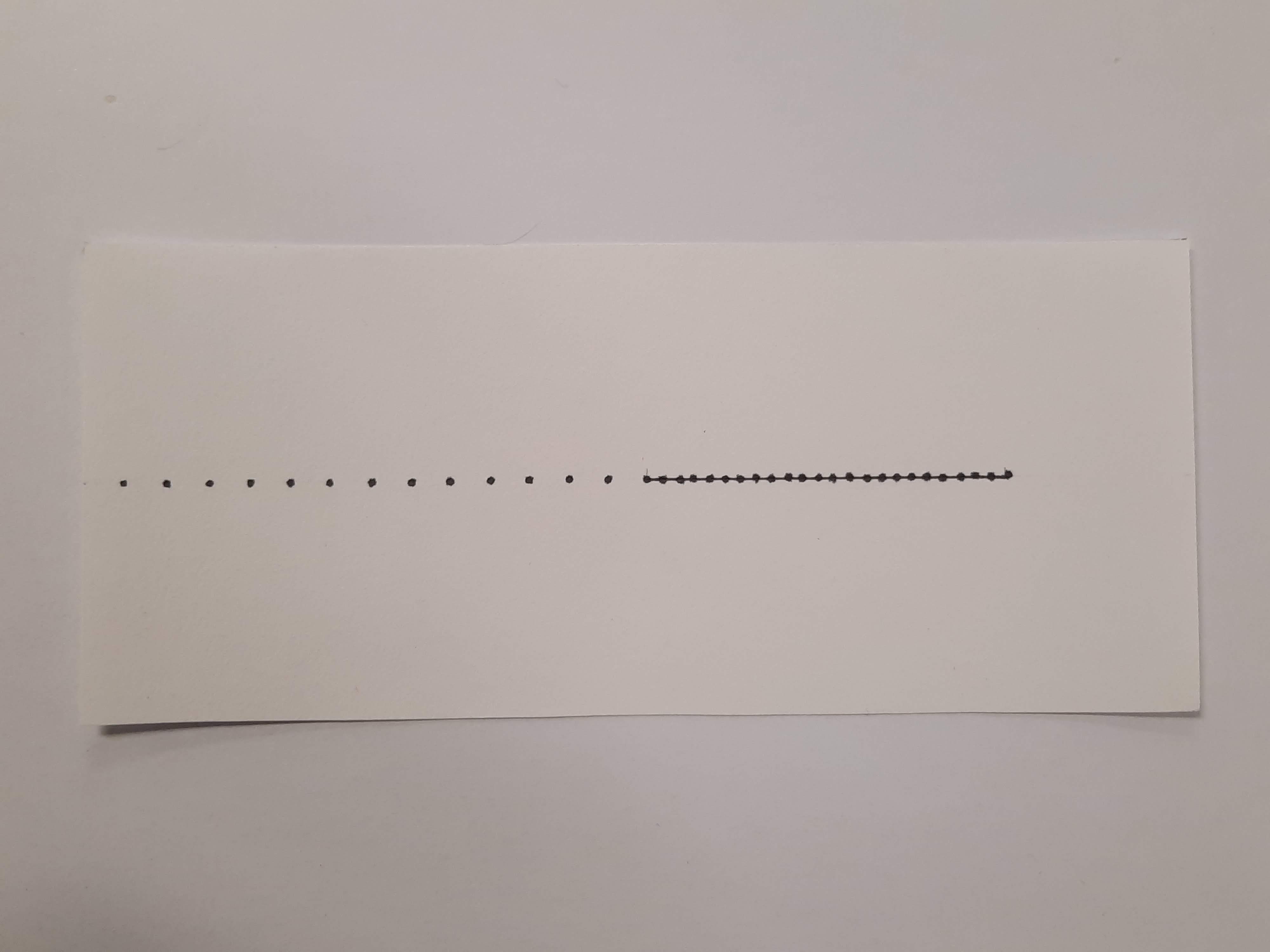
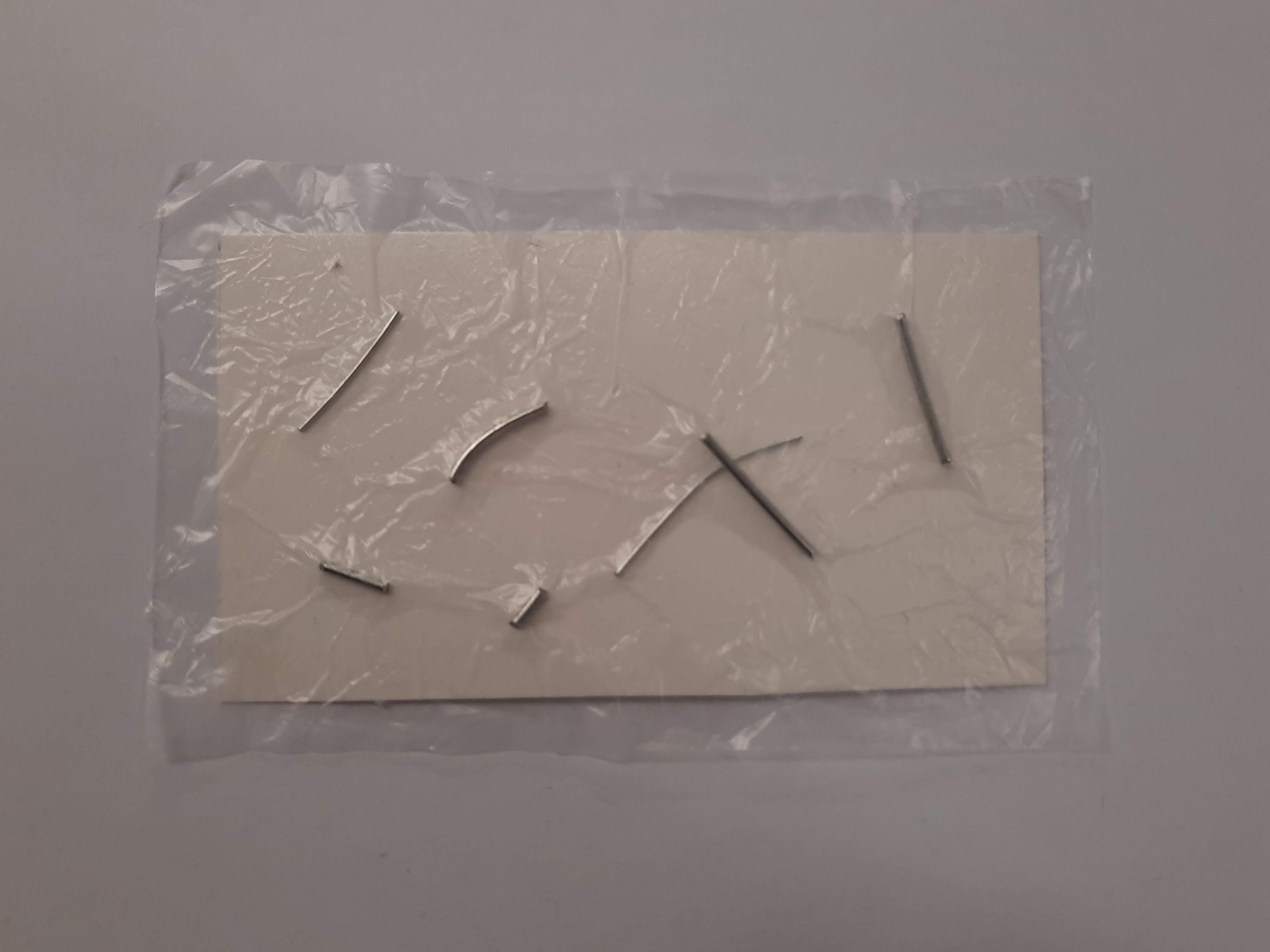
Because Proposals 2 & 3 are of similar visual qualities, I decided to use scanned copies of hand written vivid for my headings and some photocopies of duct tape to keep with the theme of organic, irregular and rough finish.

For Proposal 5 I decided to keep it simple and professional looking. Like Proposal 4, I created the leaflet as my visual for my proposal. This visual is more focused on layout than image. I began with drafting the rules I wanted to apply to this document (below).

From here I created a page in which I laid out the rules in an organic way with little structure. The reason I did this was because the rules had no order or structure to them and creating a list like I did in my draft would imply an order in which they are to be read and interpreted. In terms of visual images, I used a series of overlapping rectangular shapes to emphasize how the rules are irregular and organic and they themselves can overlap and link to one another.

Week 6: Working on Proposals

Now that I have clarified and regrouped my thoughts and conceptual ideas around my social space, I have been able to explore possible interventions I can insert into the site. Below is a brainstorm of possible intervention ideas based on my conceptual ideas.

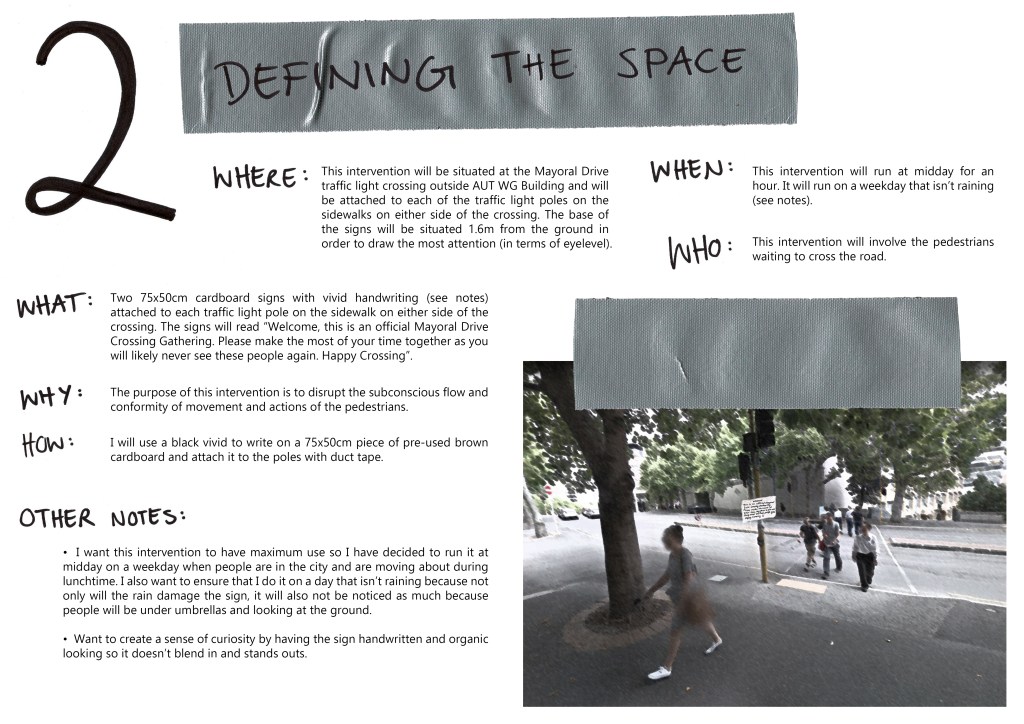
From this brainstorm I decided on 4 intervention ideas: chalk circles at the crossing, sign attached to the traffic light poles, travel companion hand-held sign, and instructional flyer handout on how to cross the crossing.

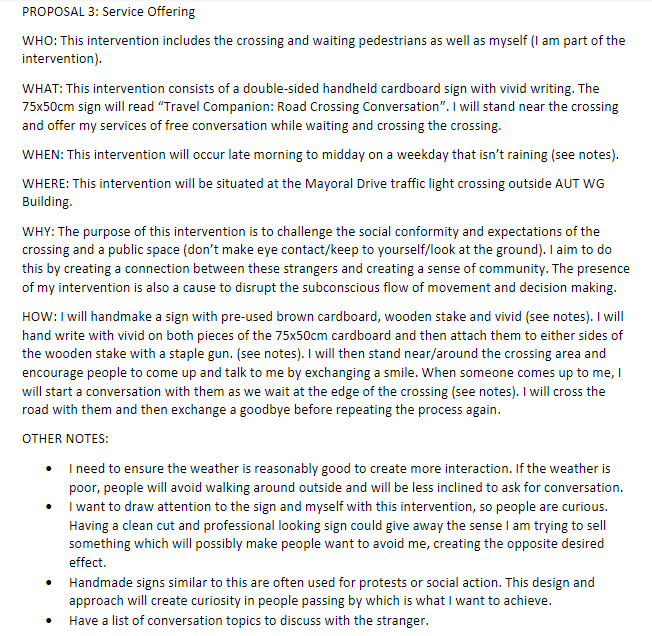
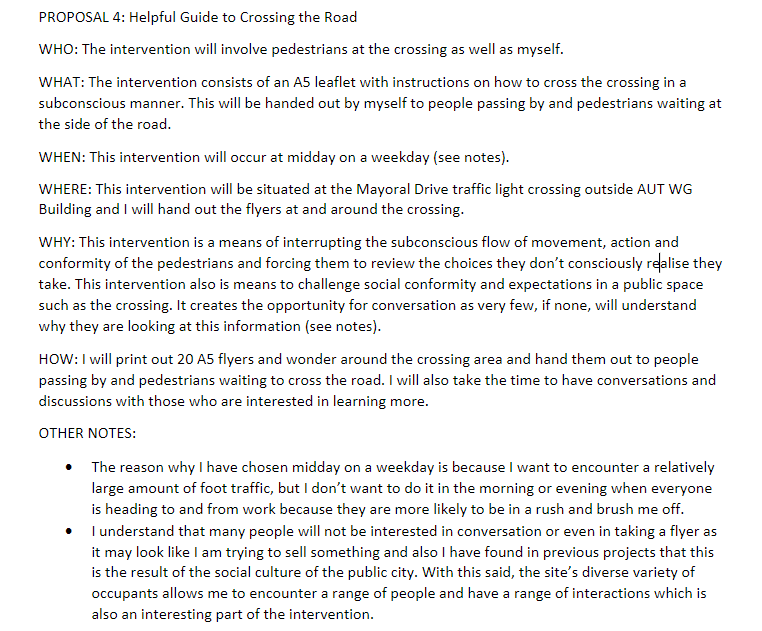
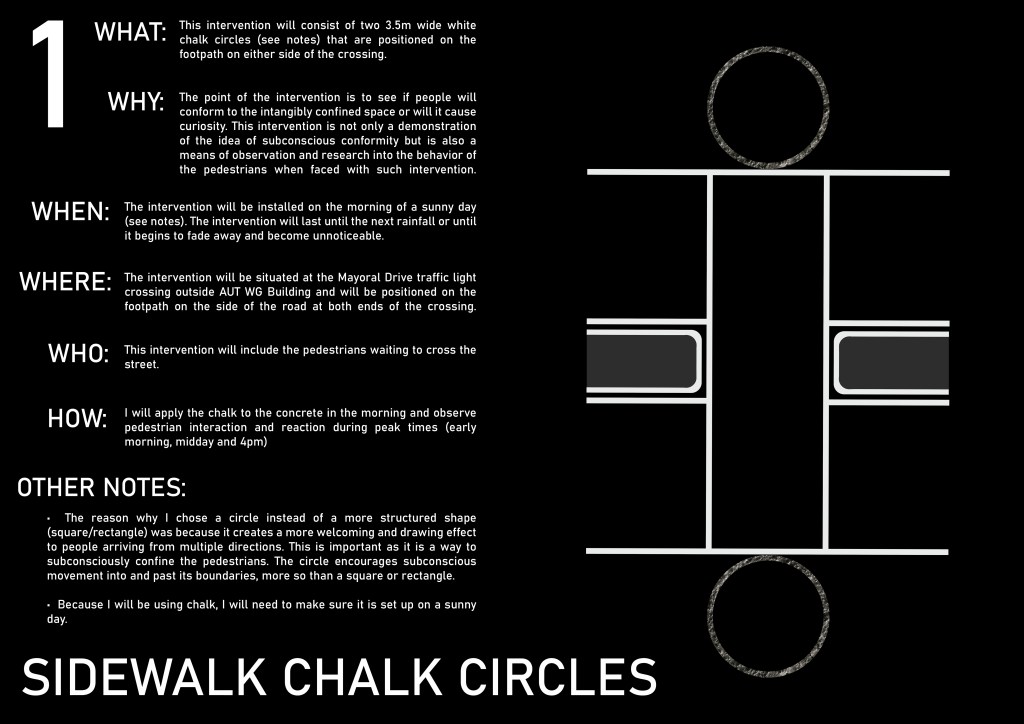
I decided to break down and be specific about each of these proposal ideas by answering each of the following: Who/What/When/Where/Why/How/Other Notes. Below are each of the ideas explored in this manner. 

PROPOSAL 1

PROPOSAL 2

PROPOSAL 3

PROPOSAL 4

From here I started working on some visuals. I liked the concept of doing hand drawings onto a photo because it gives you freedom in the way you explore a design and also allows you to give it positional context through visuals which can help support the written work. Below are some visuals for two of my proposals. 

Proposal 2 Imagery
Proposal 3 Imagery

Because I have been working from home and my printer isn’t high quality, I drew my intervention ideas on paper before scanning them and then inserting and editing them in Photoshop.

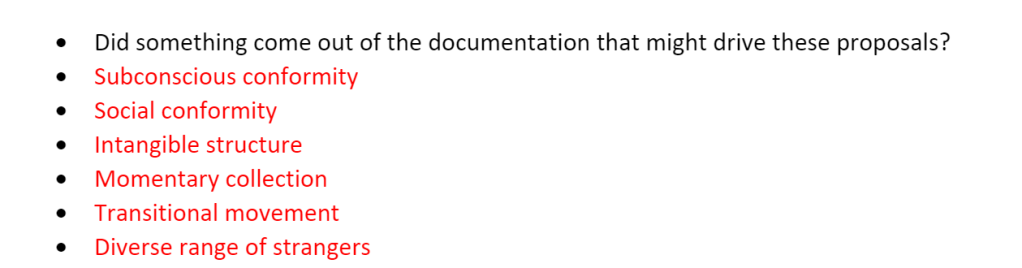
I have been struggling to come up with one more proposal idea. I have decided to work on these proposals and get feedback and ideas from others next week. 

Week 5: Setting My Own Parameters

This week we reviewed Part 1 and created our own parameters in which to work with when design our 5 proposals. Below are some diagrams and notes I made to help me organise my thoughts and figure out the most important and interesting ideas about my space. The 300 words is the final result and refined outcome of my exploration through notes and diagrams.

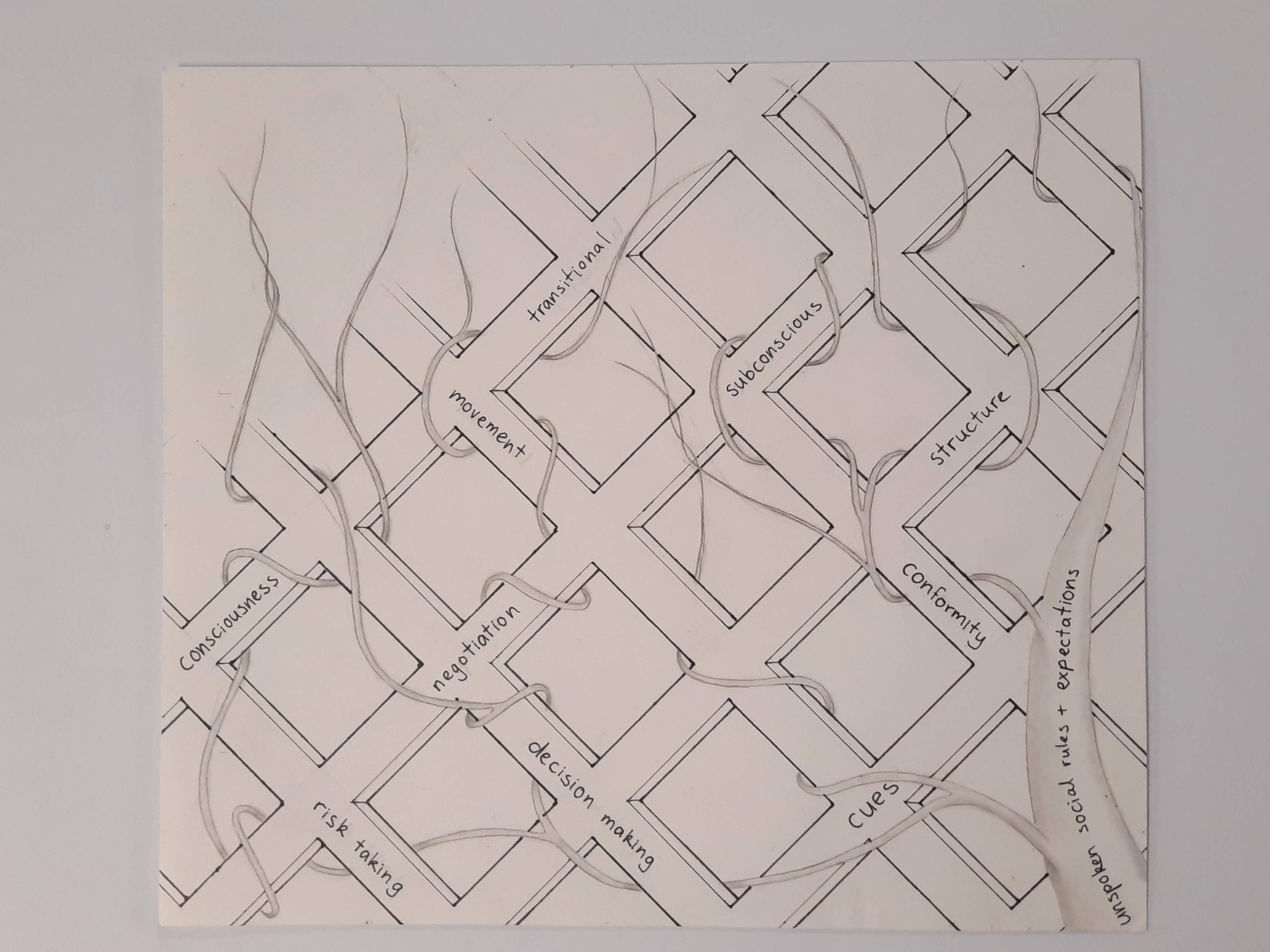
This diagram/map demonstrates the ideas I have explored in the space through their relevance, connection and positioning.

300 WORD PARAMETER STATEMENT

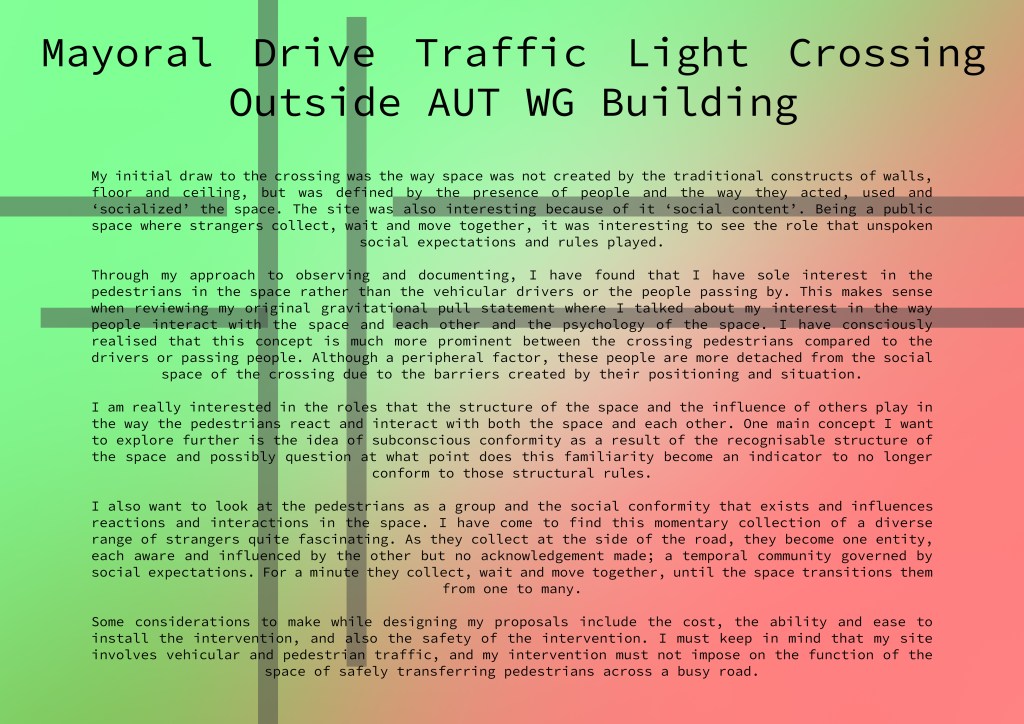
Through my approach to observing and documenting, I have found that I have sole interest in the pedestrians in the space rather than the vehicular drivers or the people passing by. This makes sense when reviewing my original gravitational pull statement where I talked about my interest in the way people interact with the space and each other and the psychology of the space. I have consciously realised that this concept is much more prominent between the crossing pedestrians compared to the drivers or passing people. Although a peripheral factor, these people are more detached from the social space of the crossing due to the barriers created by their positioning and situation. 
I am really interested in the roles that the structure of the space and the influence of others play in the way the pedestrians react and interact with both the space and each other. One main concept I want to explore further is the idea of subconscious conformity as a result of the recognisable structure of the space and possibly question at what point does this familiarity become an indicator to no longer conform to those structural rules.  
I also want to look at the pedestrians as a group and the social conformity that exists and influences reactions and interactions in the space. I have come to find this momentary collection of a diverse range of strangers quite fascinating. As they collect at the side of the road, they become one entity, each aware and influenced by the other but no acknowledgement made; a temporal community governed by social expectations. For a minute they collect, wait and move together, until the space transitions them from one to many. 
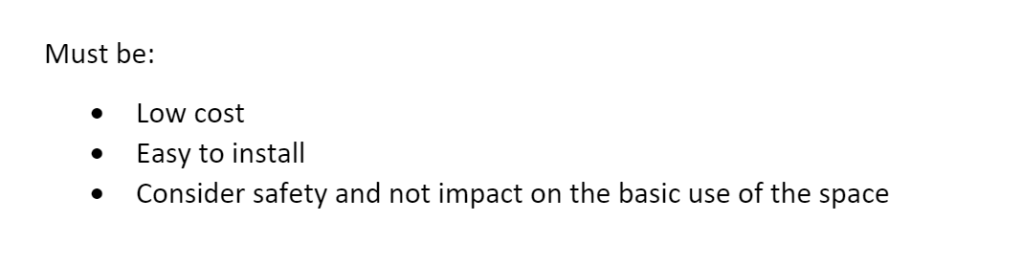
Some considerations to make while designing my proposals include the cost, the ability and ease to install the intervention, and also the safety of the intervention. I must keep in mind that my site involves vehicular and pedestrian traffic, and my intervention must not impose on the function of the space of safely transferring pedestrians across a busy road. 

After this, I did some research on some designs/concepts/projects/practitioners that have similar aspects to my own work.

ADRIAN PIPER

Adrian Piper, Catalysis IV, 1970
https://elephant.art/nathan-ma-on-adrian-pipers-catalysis/

JONATHAN MONK

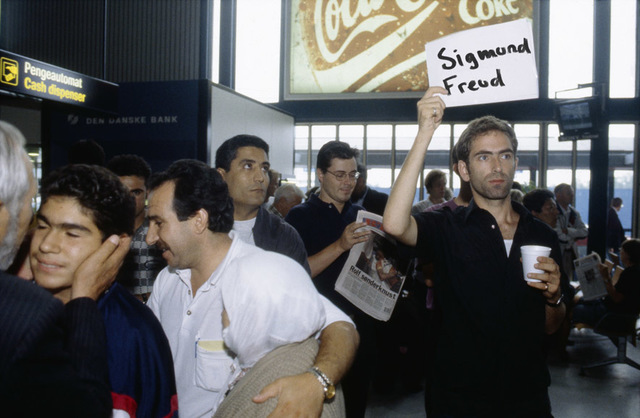
Jonathan Monk, Waiting for Famous People (Wham), 1995
https://www.artsy.net/artwork/jonathan-monk-waiting-for-famous-people-wham

What I find fascinating and intriguing about Piper and Monk’s work is the impact and influence it has on other peoples’ reactions and behaviour. Although not aware of it, the people around them encountering their work are part of their work as well, in fact, they are the main focal point of their work; the materiality of their work whether it be a sign or shirt, is only the catalyst or instigator. The application of their interventions disrupt the flow of people, their actions and their expectations. Their work acts as a stationary point in which the flow of people and daily life brushes past.

Week 5: Online Learning (AGAIN!)

Due to Auckland going into Level 3 last week, AUT campuses have been closed and all classes are delivered online for the time being. On Tuesday we talked about how we could adapt to learning and working from home. I actually found this really helpful. Last semester felt a bit like “carry on as best as you can” but there was no discussion on how to carry on. A lot of the information given out by the university was quite general and hard to adapt to the circumstances of a Spatial Design student. Discussing how to manage and adapt in the context of our project really helped in clearing my head and stopped it from feeling like a dead end or swimming against a current.

I read the document Working With What You’ve Got and found there were quite a few ideas and methods on continuing to work creatively when faced with such circumstances. Below are some of the methods suggested that I thought could be helpful in ensuring I keep momentum while working from home.

ABBY CUNNANE (Writer /Curator) 

  • “Figure out your best time of day for thinking/ working/learning, and then put aside that time for working on the thing you value most. (Two hours is heaps!)”
  • “I try to have a solid break from computer time after this, just to refresh and think more laterally than staring a screen allows?”

IAN JERVIS (Painter) 

  • “…here’s the chance to have fun, break a habit, chance your arm. Ditch the guidebook and choose a path less taken. Invent an other way. Explore, experiment. Play the flaneur; take a walk on the wild side. Make do and make good. Surprise yourself… be an artist.” 

NGAHUIA HARRISON (Artist) 

  • “…step away from a way of making I sometimes felt trapped by. When we are used to a certain way of making or maybe we think we are expected to make in a certain way – it can be both your comfort and your discomfort zone.”   

KRISTIE SMART (Spatial Designer) 

  • “Instead I took my unique circumstances and turned them into a body of work. I have actually dug this up this morning so could show you guys this afternoon on the zoom chat. Basically not being able to read and sketch on the train like I usually would lent me to do a social experiment where I basically just people watched and documented it how I could. I guess applying it to our current situation, this is a time no other university student may ever experience again in our lifetime. Is there a way they can fold this into their current thinking/project to make it even richer and capture this moment in time.”
    – This made me realise how helpful it can be to look at this situation as an opportunity, not a barrier.

OLIVIA WEBB (Artist / Musician) 

  • “Take time to understand your resources and limitations (and how they might have changed recently).”
  • “…it’s important to be disciplined with your time and as best you can and to take control of your timetable. Identify the time of day that you work best (or that works best for you), and mark this time out as ‘practice/making time’. Schedule it in your diary and keep this time sacred – don’t shift or negotiate it for anything! In my experience, a shorter period of time (a humble hour or two) is an easier commitment to keep. And if it’s going really well at the end of that time, you can decide to keep working.”
  • “A practice pro tip I learned recently is to leave something unfinished at the end of each day. This is then the first thing you start with the following day, meaning you start your day by finishing yesterday’s thing. This is a really brilliant way to carry your momentum through from day to day in order to get your brain/heart/body/soul back into your work each day.”
  • “…daily exercise (yoga), have breaks, eat regular meals, keep some sort of sleep routine.”

JOE JOWITT (Artist) 

  • “I think the best approach is to initially set the bar quite low: I elected to do one drawing a day. It could be a scribble, or something basic. Starting is often the hardest thing, so if you just need to do something small, it is less daunting…”

We were then asked to make an inventory of everything we had available to use.

MATERIALS

  • A2 sheets of paper 
  • Acrylic paints 
  • Water colours 
  • Coloured pencils 
  • Water colour pencils 
  • Black fine liners 
  • Phone camera 
  • Printer paper 
  • Graphite pencils 
  • Cellotape 
  • Masking tape 
  • Plastic film 
  • Glue stick 
  • Super glue 
  • Double sided tape 
  • Compass 
  • Craft knife 
  • Polaroid film 
  • Last semesters models 

METHODS/PROCESSES

  • Painting 
  • Pen Drawings 
  • Pencil drawings 
  • Photography 
  • Video Footage 
  • Digital image manipulation 

SPACE

  • Desk 
  • Bed 
  • Couch 
  • Kitchen bench 
  • Dining table 
  • Picnic table 
  • Outdoor table 
  • Floor 
  • Trampoline 

AND WHERE THEY MIGHT BE FOUND: 

  • Bedroom 
  • Kitchen 
  • Front deck 
  • Patio 
  • Front garden 

TIME:
For this section of my inventory, I decided to make an organised schedule. When working from home, I struggle to focus and make good progress on my work; I figured that structuring my time might help me to stay focused and on track.

MONDAY 
7:45-8:00 
Wake Up 

8:00-9:00 
Get Ready + Morning Chores 

9:00-9:15 
Write To Do List + Organise Work Space 

9:15-11:15 
Work on To Do List 

11:15-11:45 
Break 

11:45-13:30
Work on To Do List 

13:30-14:30
Lunch Break 

14:30-15:00
Walk Dog 

15:00-16:15
Work on To Do List 

16:15-16:30
Break 

16:30-17:45
Work on To Do List 

17:45-20:30
Dinner + Break with Family 

20:30-21:30 
Finish To Do List 

21:30-22:00 
Get ready for bed 

22:00-23:15 
Down time 

TUESDAY
7:45-8:00 
Wake Up 

8:00-9:00 
Get Ready + Morning Chores 

9:00-9:15 
Write To Do List + Organise Work Space 

9:15-10:00
Write Blog Post 

10:00-11:30 
Studio Class 

11:30-12:00 
Break 

12:00-13:30 
Work On To Do List 

13:30-14:30 
Lunch Break 

14:30-15:00 
Walk Dog 

15:00-17:00 
Work On To Do List 

17:00-17:30 
Break 

17:30-19:30 
Work On To Do List 

19:30-21:30 
Dinner + Break with Family 

21:30-22:00 
Get ready for bed 

22:00-23:15 
Down time 

WEDNESDAY
7:45-8:00 
Wake Up 

8:00-9:00 
Get Ready + Morning Chores 

9:00-9:15
Write To Do List + Organise Work Space 

9:15-11:00 
Work on To Do List 

11:00-11:30 
Break 

11:30-13:30 
Work on To Do List 

13:30-14:30 
Lunch Break 

14:30-15:00 
Walk Dog 

15:00-17:00 
Work on To Do List 

17:00-17:30 
Break 

17:30-19:30 
Work on To Do List 

19:30-21:30 
Dinner + Break with Family 

21:30-22:00 
Get ready for bed 

22:00-23:15 
Down time 

THURSDAY
7:45-8:00 
Wake Up 

8:00-9:00 
Get Ready + Morning Chores 

9:00-9:15 
Write To Do List + Organise Work Space 

9:15-10:00 
Write Blog Post 

10:00-11:30 
Studio Class 

11:30-12:00 
Walk Dog 

12:00-13:00 
Work on To Do List 

13:00-14:00 
Lunch Break 

14:00-16:00 
Minor Class 

16:00-16:30 
Break 

6:30-17:00 
Work on To Do List 

17:00-17:15 
Get ready and leave for work 

17:30-20:30  
Work 

20:30-22:00 
Dinner + Break with Family 

22:00-22:30 
Get ready for bed 

22:30-23:30 
Down time 

FRIDAY
7:45-8:00 
Wake Up 

8:00-9:00 
Get Ready + Morning Chores 

9:00-9:15 
Write To Do List + Organise Work Space 

9:15-11:00 
Work on To Do List 

11:00-11:30 
Break 

11:30-13:30 
Work on To Do List 

13:30-14:30 
Lunch Break 

14:30-15:00 
Walk Dog 

15:00-17:00 
Work on To Do List 

17:00-17:15 
Get ready and leave for work 

17:30-20:30  
Work 

20:30-22:00 
Dinner + Break with Family 

22:00-22:30 
Get ready for bed 

22:30-23:30 
Down time 

SATURDAY
8:00-8:15 
Wake Up 

8:15-9:15 
Get Ready + Morning Chores 

9:15-9:30 
Write To Do List 

9:30-10:45 
House Cleaning 

10:45-11:15 
Walk Dog 

11:15-12:00 
House Cleaning 

12:00-13:30 
Work on To Do List 

13:30-14:30 
Lunch Break 

14:30-15:30 
Work on To Do List 

15:30-17:00 
Free Time 

17:00-17:15 
Get ready + Leave for Work  

17:30-20:30  
Work 

20:30-22:00 
Dinner + Break with Family 

22:00-22:30 
Get ready for bed 

22:30-23:30 
Down time

SUNDAY
8:00-8:15 
Wake Up 

8:15-9:15 
Get Ready + Morning Chores 

9:15-9:30 
Write To Do List 

9:30-10:45 
Work on To Do List 

10:45-11:15 
Break 

11:15-12:30 
Work on To Do List 

12:30-13:00 
Walk Dog 

13:00-14:00 
Lunch Break 

14:00-19:30 
Free time 

19:30-21:30 
Dinner + Break with Family 

21:30-22:00 
Get Ready for Bed 

22:00-23:15 
Down Time 

Although this has structured my time, I understand that it can be flexible in terms of the amount of work I need to do each day. I think that this will hopefully help me focus my time thoughtfully and encourage me to stay on top of my work.
Week 4: Part 1 Presentation

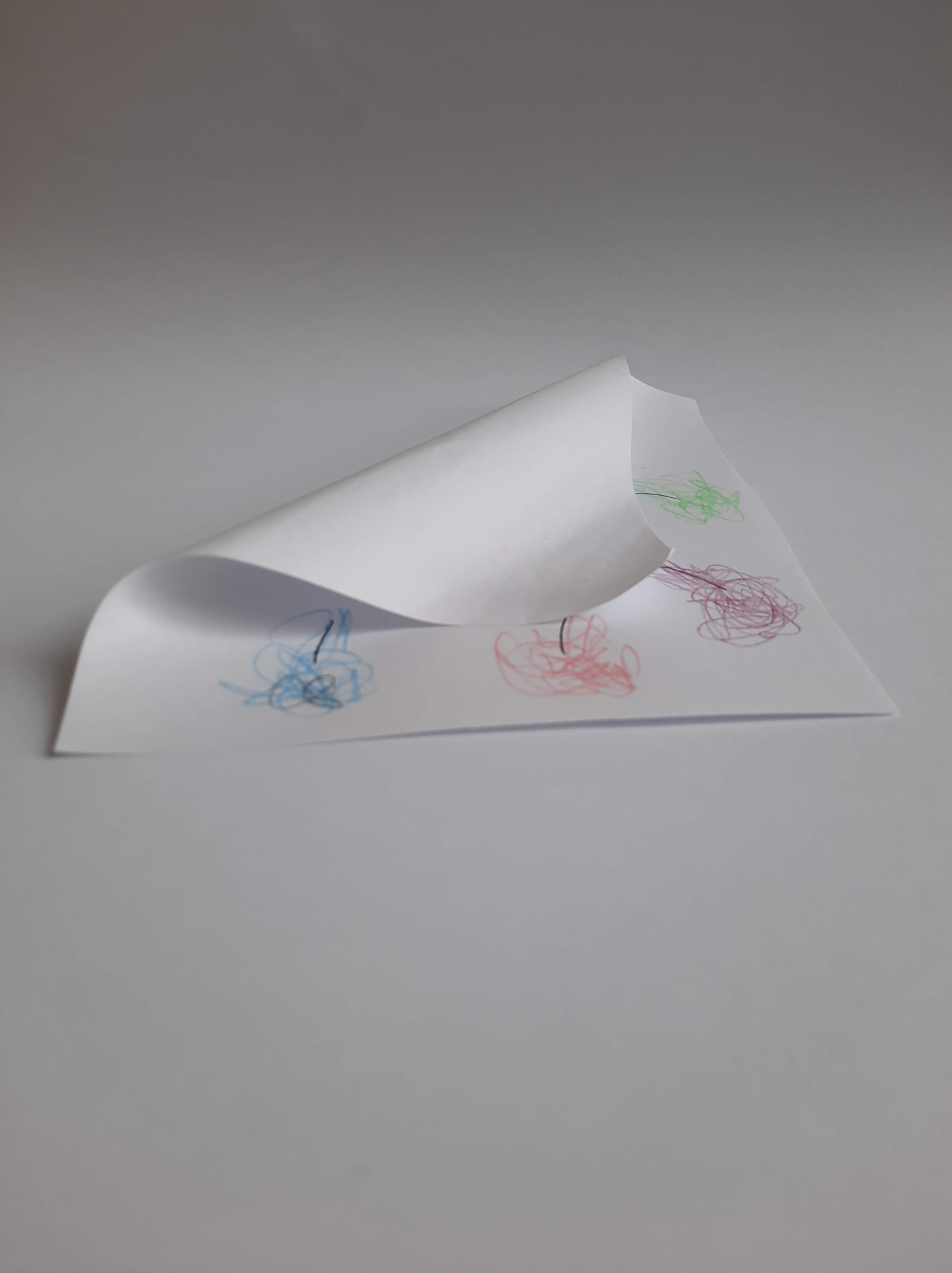
Below are my 50 documents.

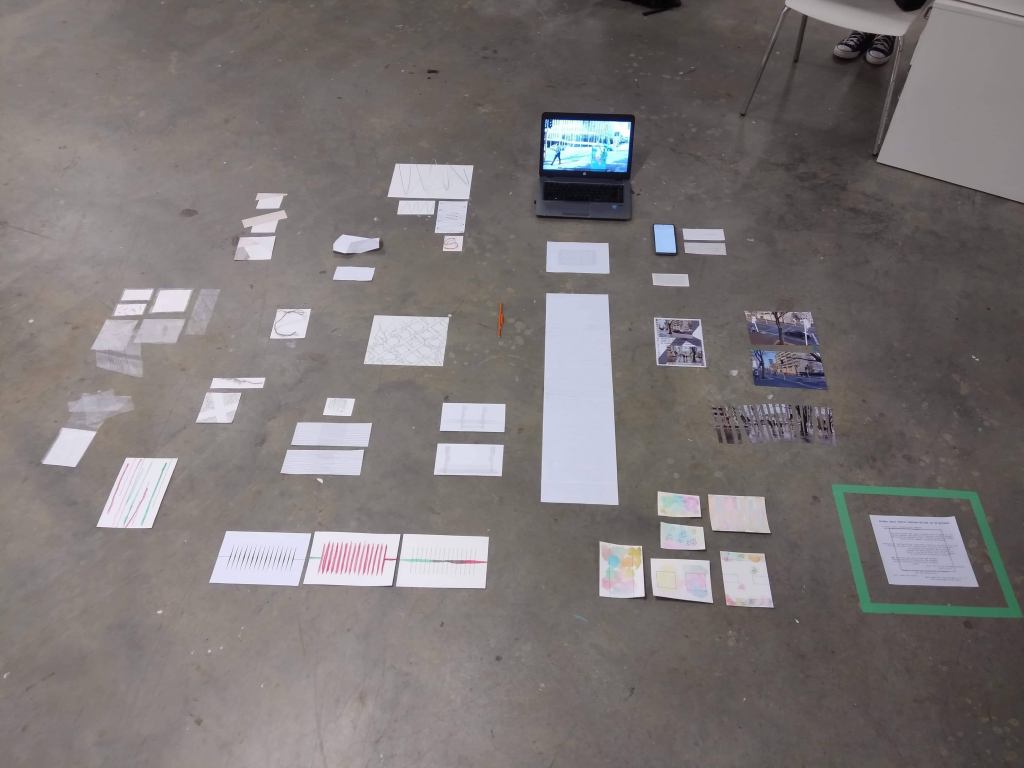
Below are some images of how I presented my 50 documents and how I positioned them in the space.

I wanted my layout to present my thought process and structure so I grouped similar ideas and concepts, positioning linked concepts near each other. I made sure to lay them out perfectly straight and aligned with even gaps to show structure and intersection. The reason why I chose to position my documents between the lockers and the wall near the door was because this is the thoroughfare of the space; the point in which anyone has to move through in order to enter or exist the space; the intersection.

Below is the feedback I got on my work.

I am happy with my documents and the presentation of my work. I feel that if I had to continue producing more documents, I probably could. I think I picked the right site because I have observed and produced so man ideas and concepts about the space and have enjoyed creating these documents. It has given me so freedom to express my ideas the best way I can and has allowed me to try new tools and styles of doing so.

Week 3: Documentation

This week I kept working on my documents until I finished. Below are the images of the rest of my documents.

Week 3: Anonymous Feedback

On Thursday we set up 5 of our documents and our 100 word Gravitational Pull statement. We then walked around the class and wrote down feedback for everyone else’s work. I really liked this exercise because the feedback I got was not only helpful in moving forward but it also made me confident in my approach. I liked the anonymity of the exercise because it allows everyone to give straightforward feedback. I also gained a lot from really looking into and exploring others work because I was able to get new ideas and approaches to my own work. Below is a picture of my 5 documents and the feedback I got.
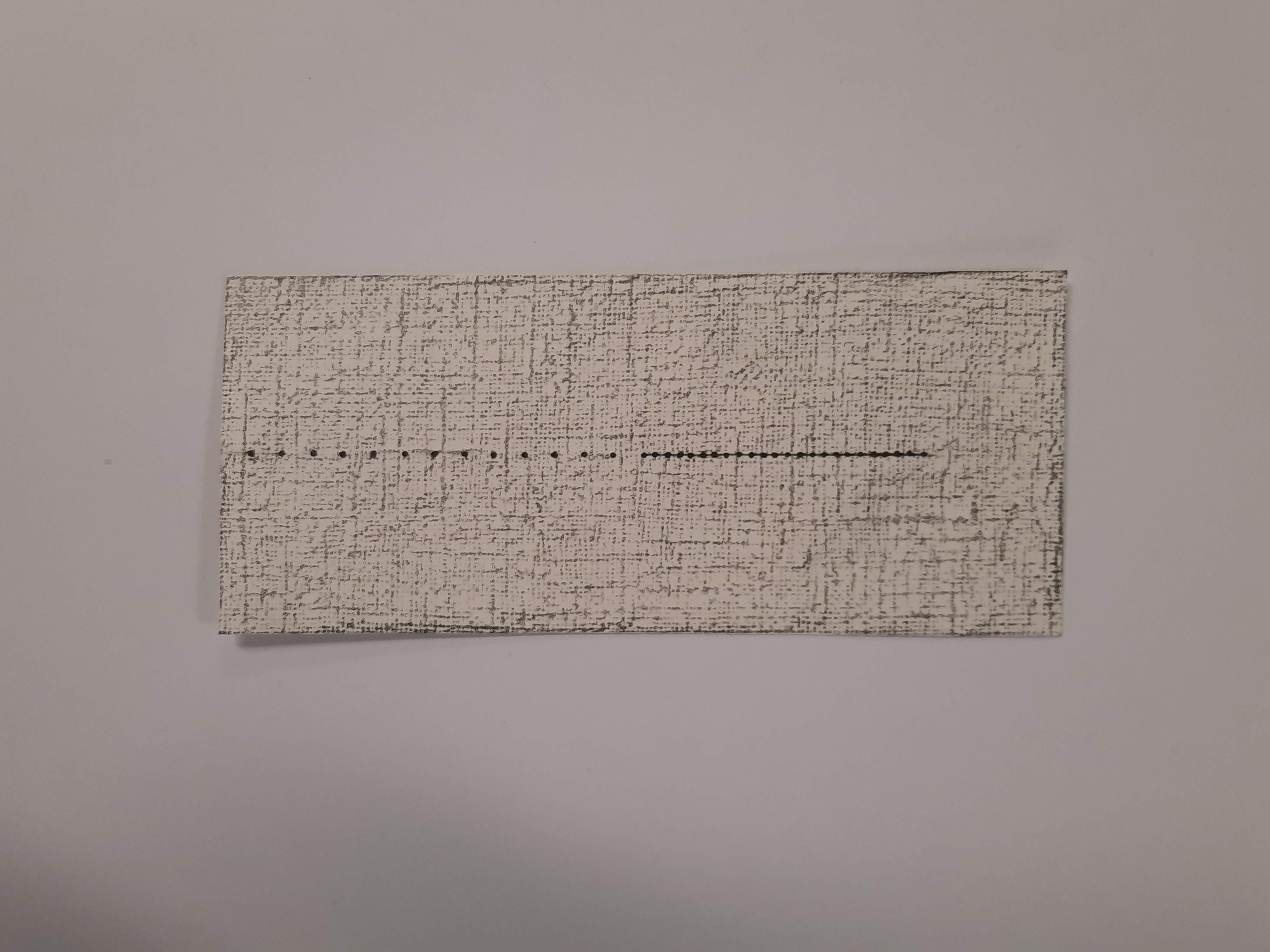
My documents were displayed to show structure and rigidness. I carefully considered the display of my gravitational pull statement and decided the best way to express my ideas through it was to have the text not confined to a box. Even with this, I noticed that the the text was still confined to a structure. When working in Microsoft Word, the text acts like a liquid – forming to the shape of its container.

I have since experimented with some new documentation techniques. Below are 3 visual/audio documents of the crossing.

ABOVE: This recording shows the sound qualities of the space while standing next to a try right by the crossing.
ABOVE: This recording depicts the sound qualities and changing noises there is as I wait at the side of the road and then cross using the crossing.
ABOVE: This video footage captures the behaviours and actions of people as they wait, cross the road, walk past. It shows how people cross the road prematurely, how people act when a camera is around and how people interact with each other and the space.

Week 3: Casual Critiques

This week we discussed what makes a good/useful critique and how to approach feedback. We then were split into groups and discussed critiques and gave each other feedback on our documents so far. I got a lot of positive feedback and support for my ideas and style of documentation and was also given some good ideas to explore through my future documentation. Some of the suggestions included that I look into the change in behaviour of pedestrians with and without cars around and observe and interpret from a driver’s perspective.
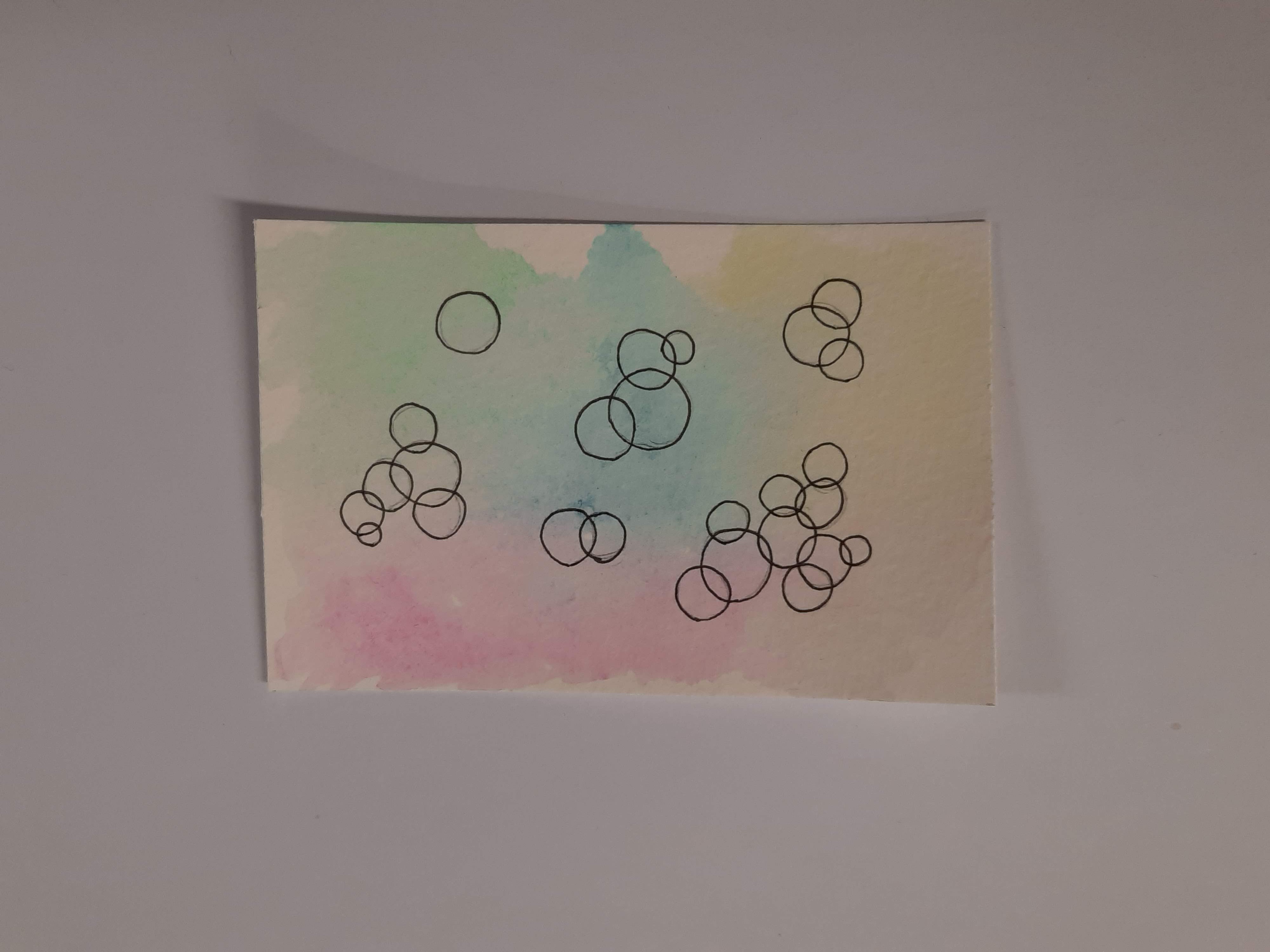
Below are some of the documents I have completed.

Week 2: Model Making Exercise

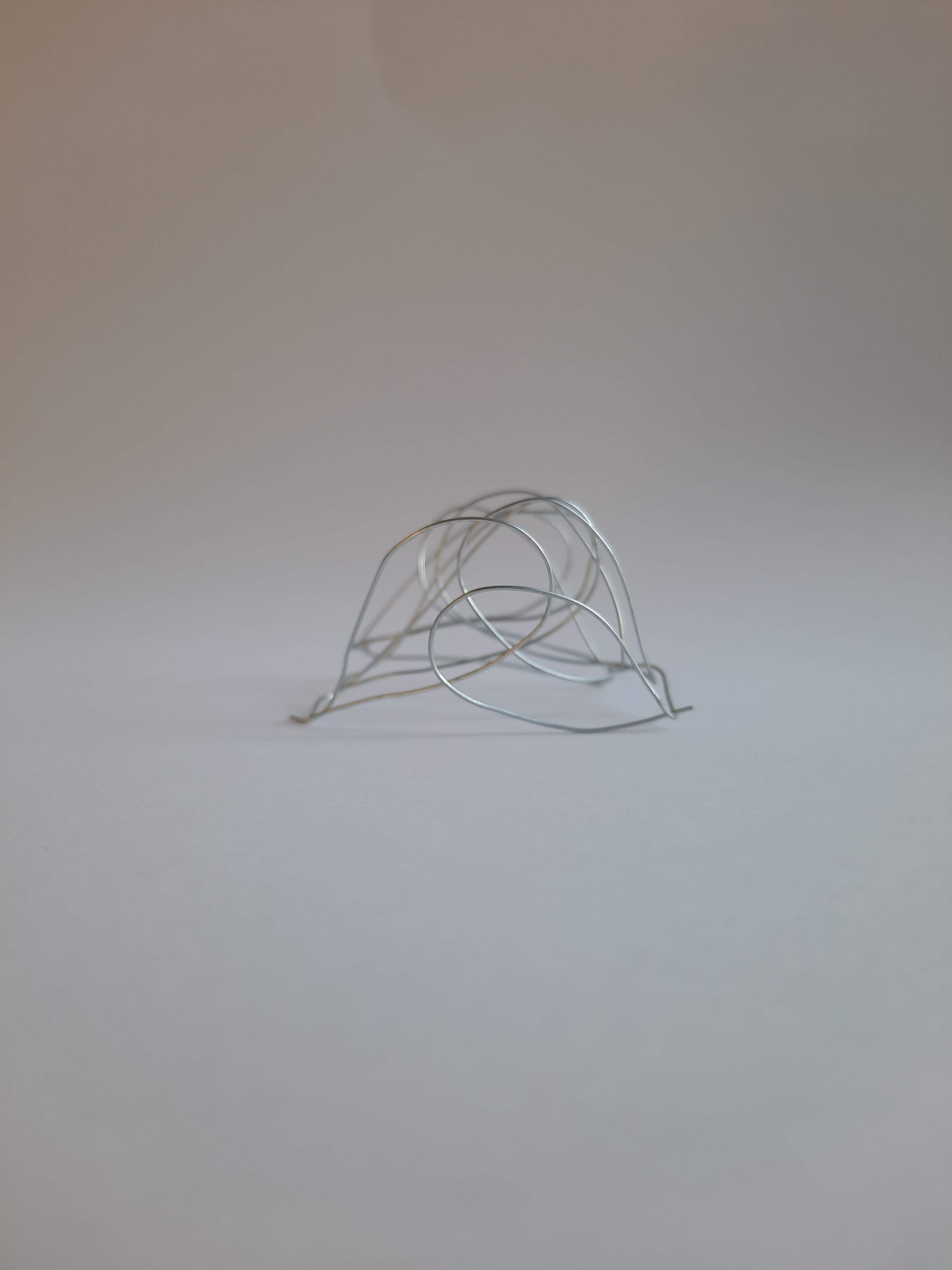
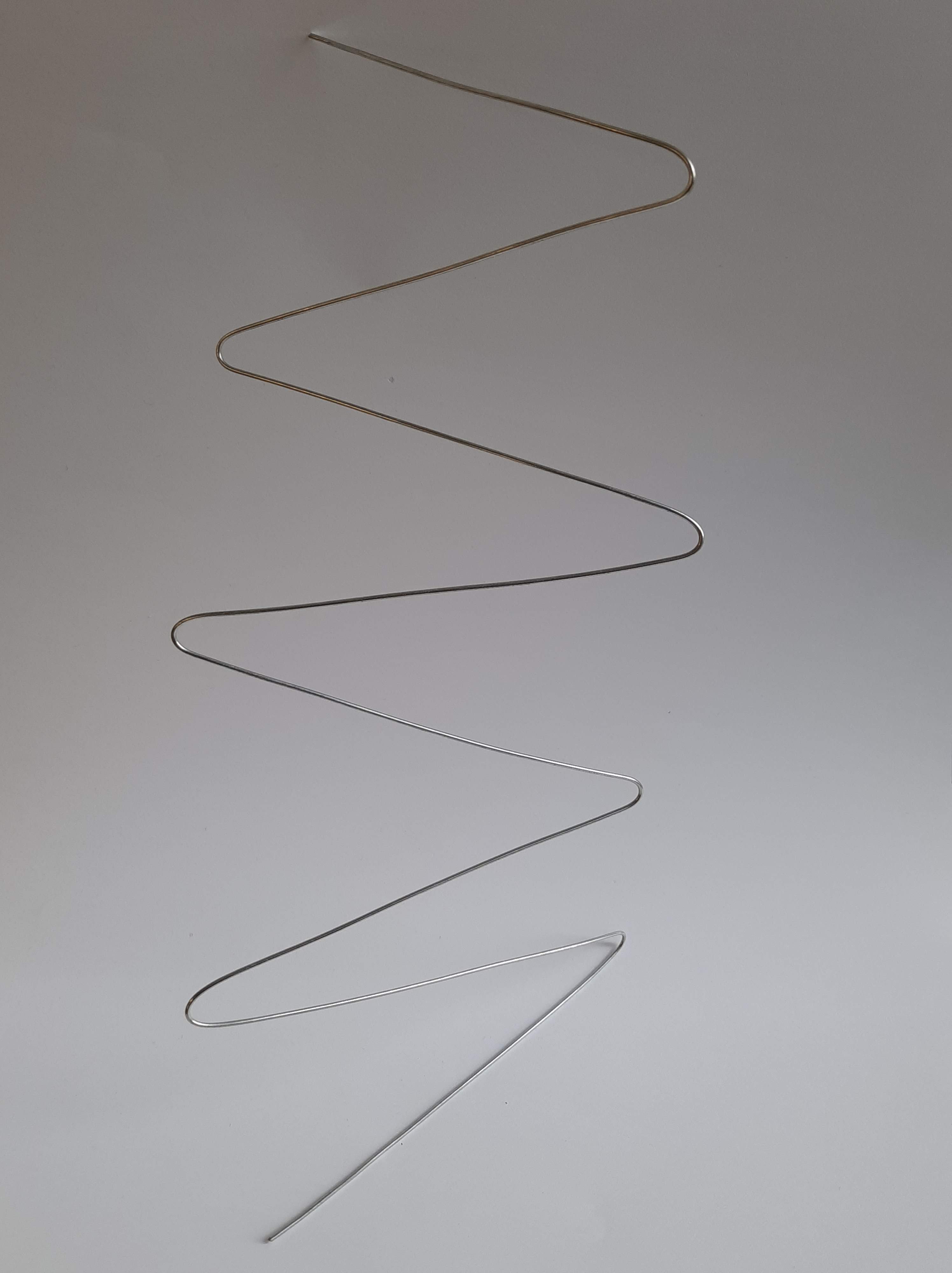
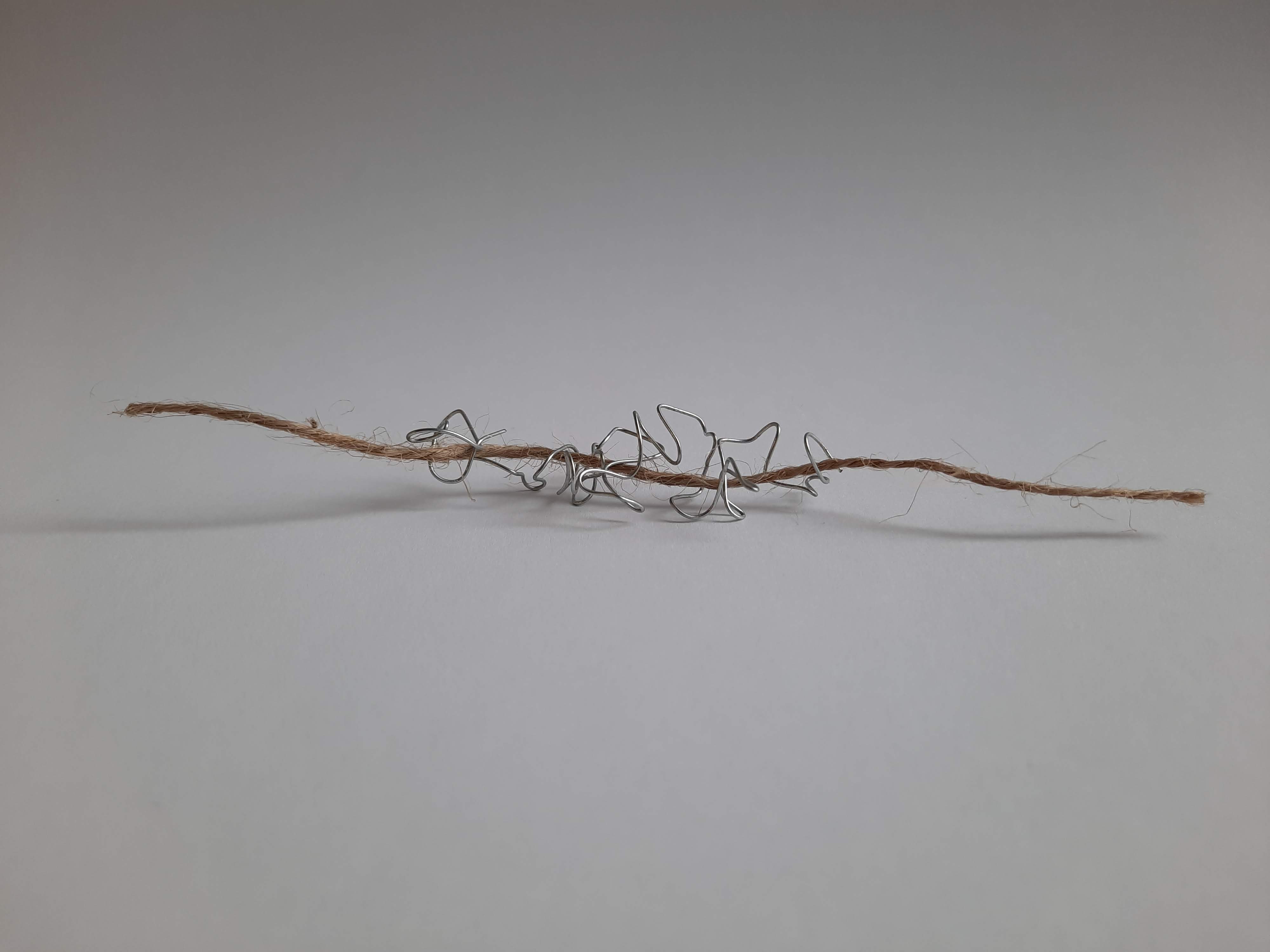
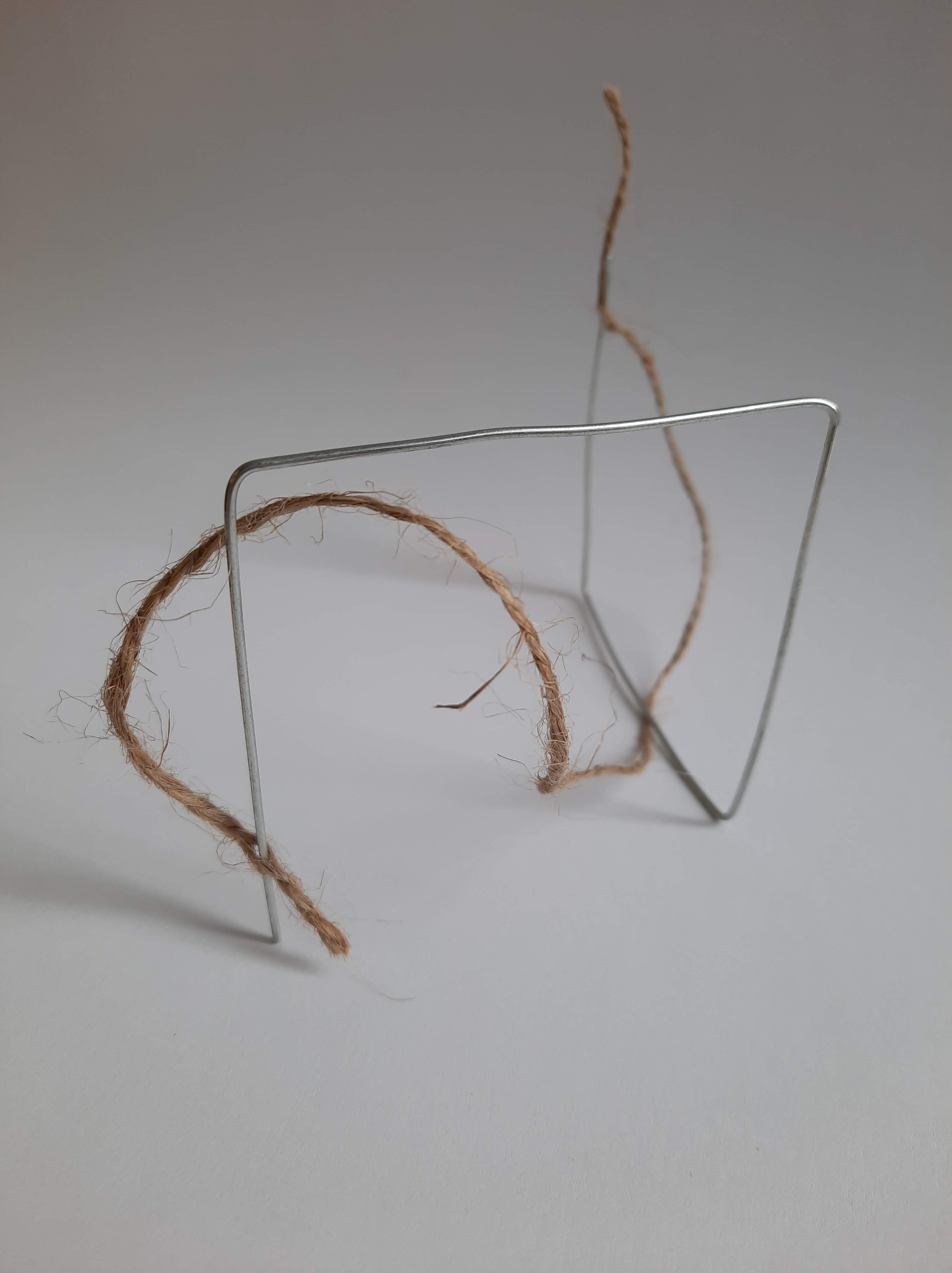
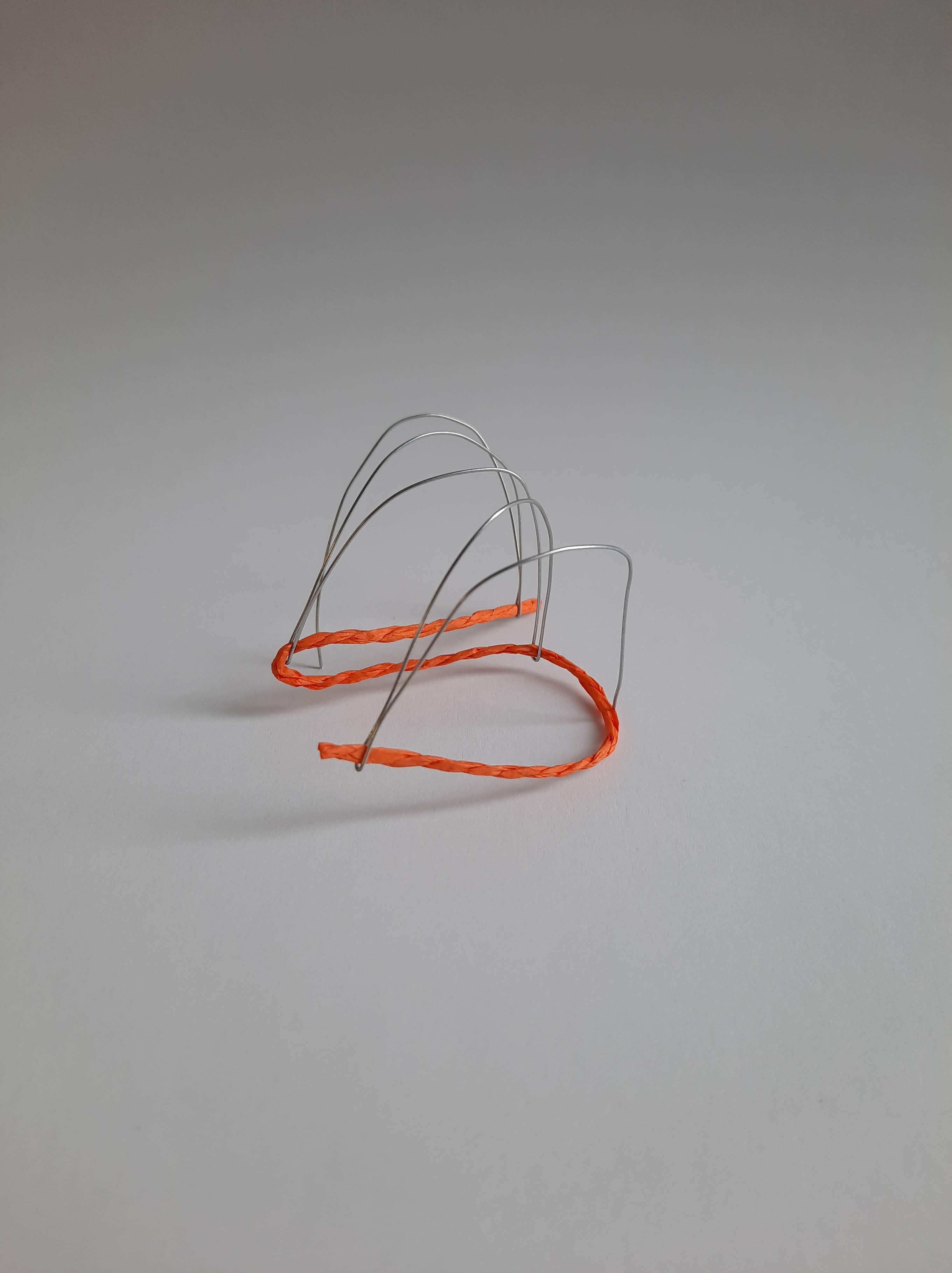
Thursday’s class was amazing! Not only did Rachel bring in some amazing brownies that we got to eat, but I also got to get back into model making which I hadn’t realised how much I missed. We did a quick exercise which included making 6 random pairs of words from our intuitive maps and making models in response to the word pairs. Below are my the models I made.

RISK TAKING + METHODICAL STRUCTURE
SUBCONSCIOUS + TRANSITIONAL
DECISION MAKING + CUES (SOCIAL/AUDIO/VISUAL)
NEGOTIATION + UNSPOKEN RULES
SIGNALS (SOCIAL/AUDIO/VISUAL) + MERGING MOVEMENT
CONFORMITY + SOCIAL EXPECTATIONS

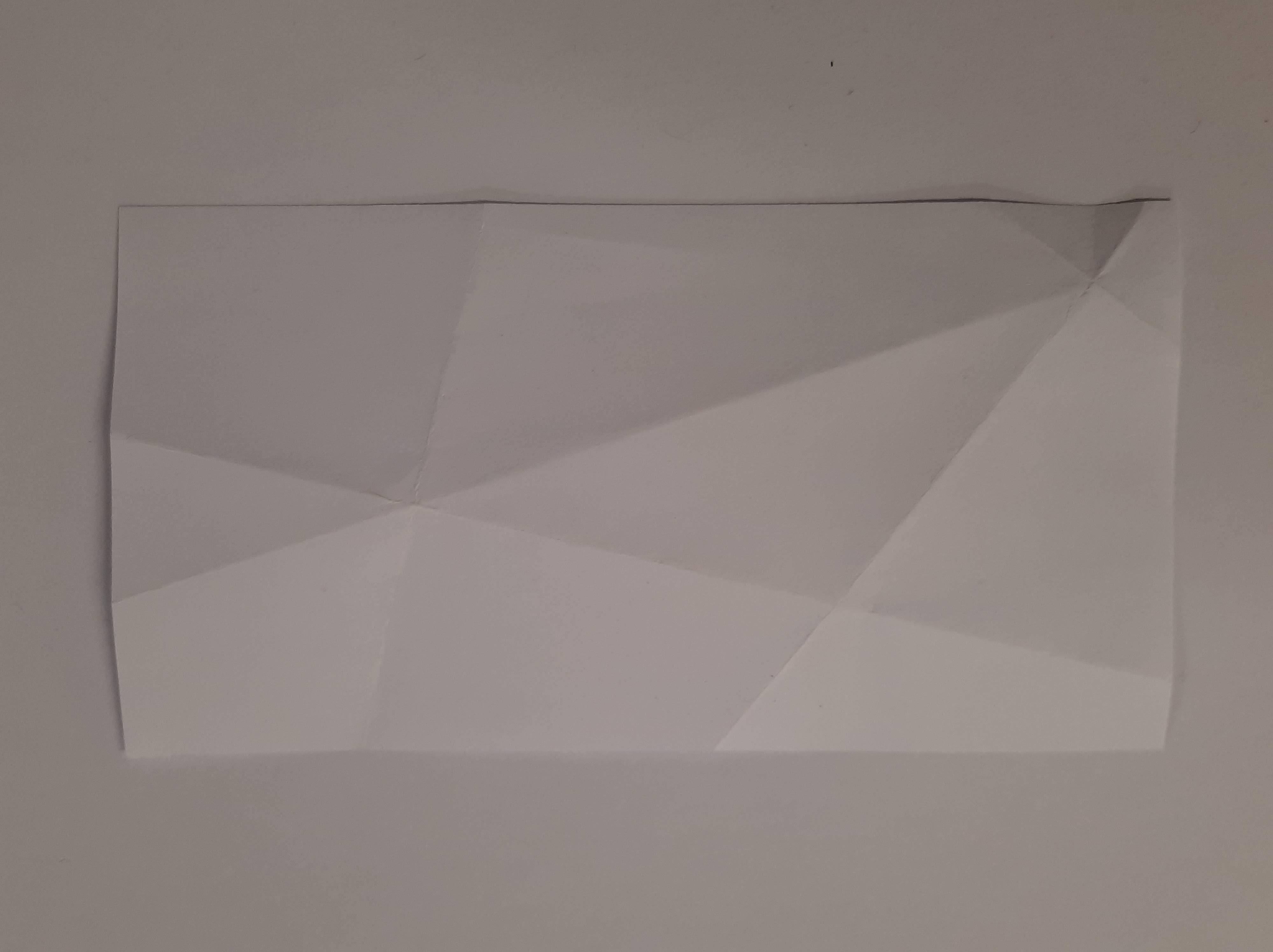
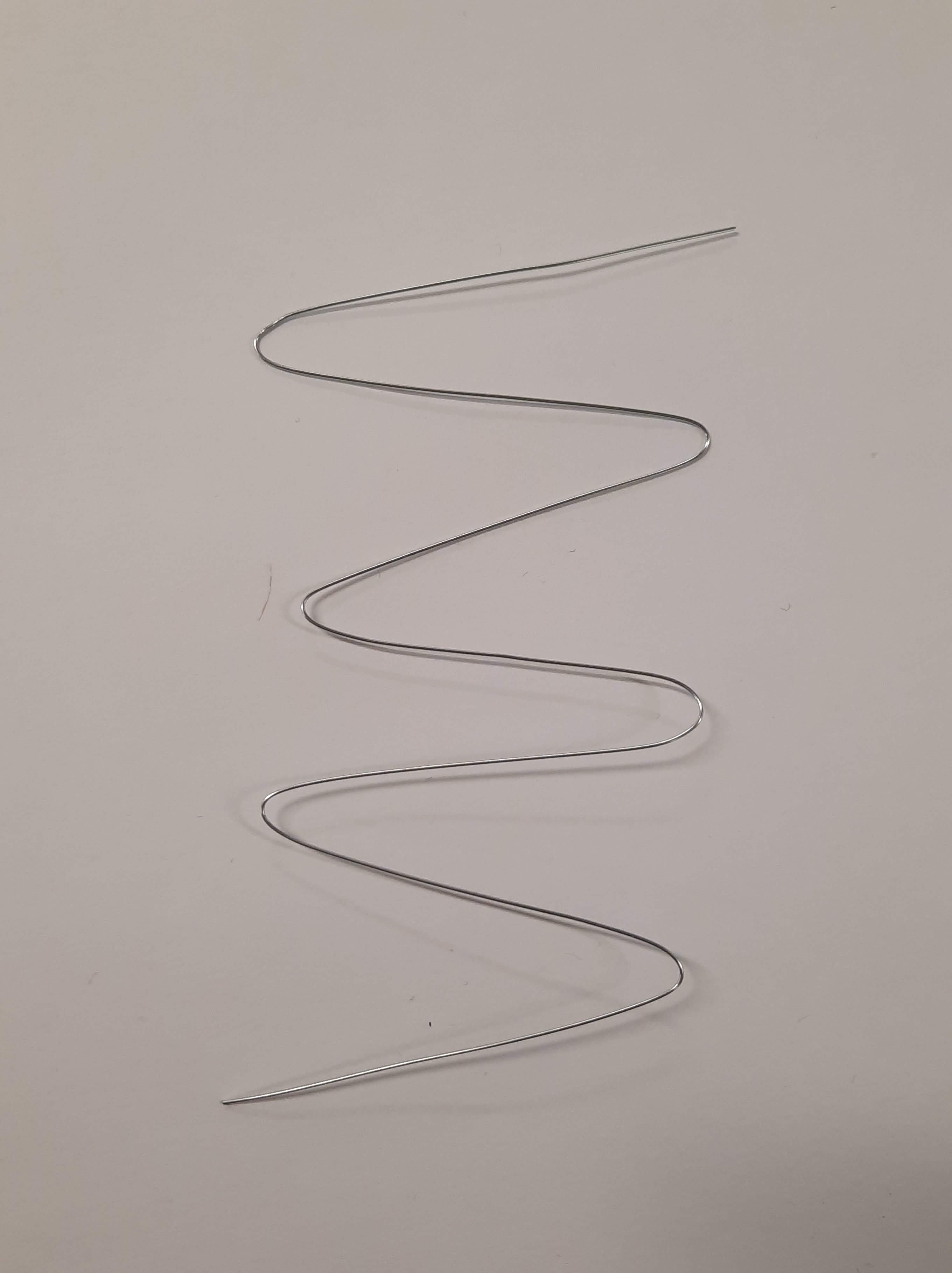
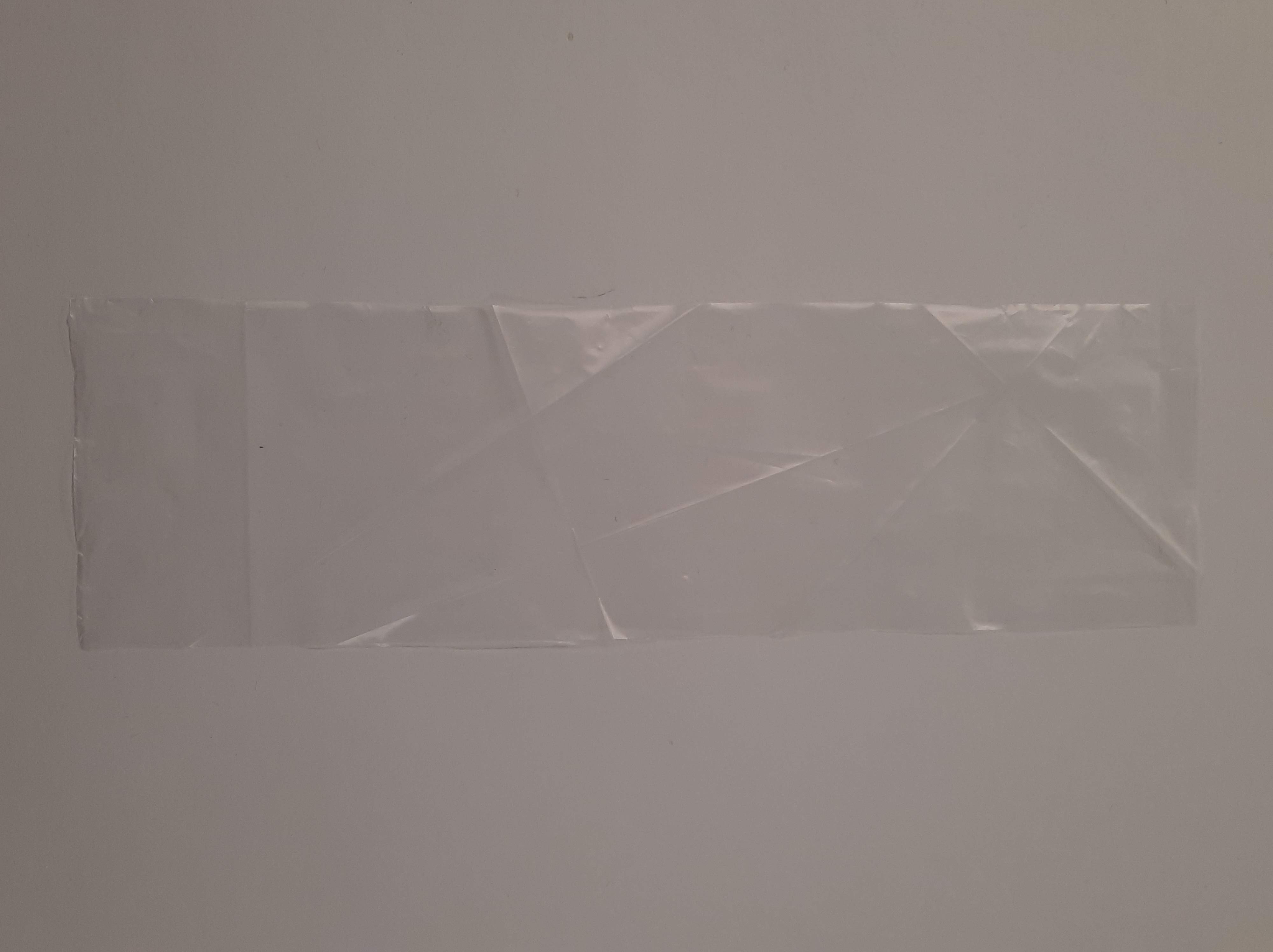
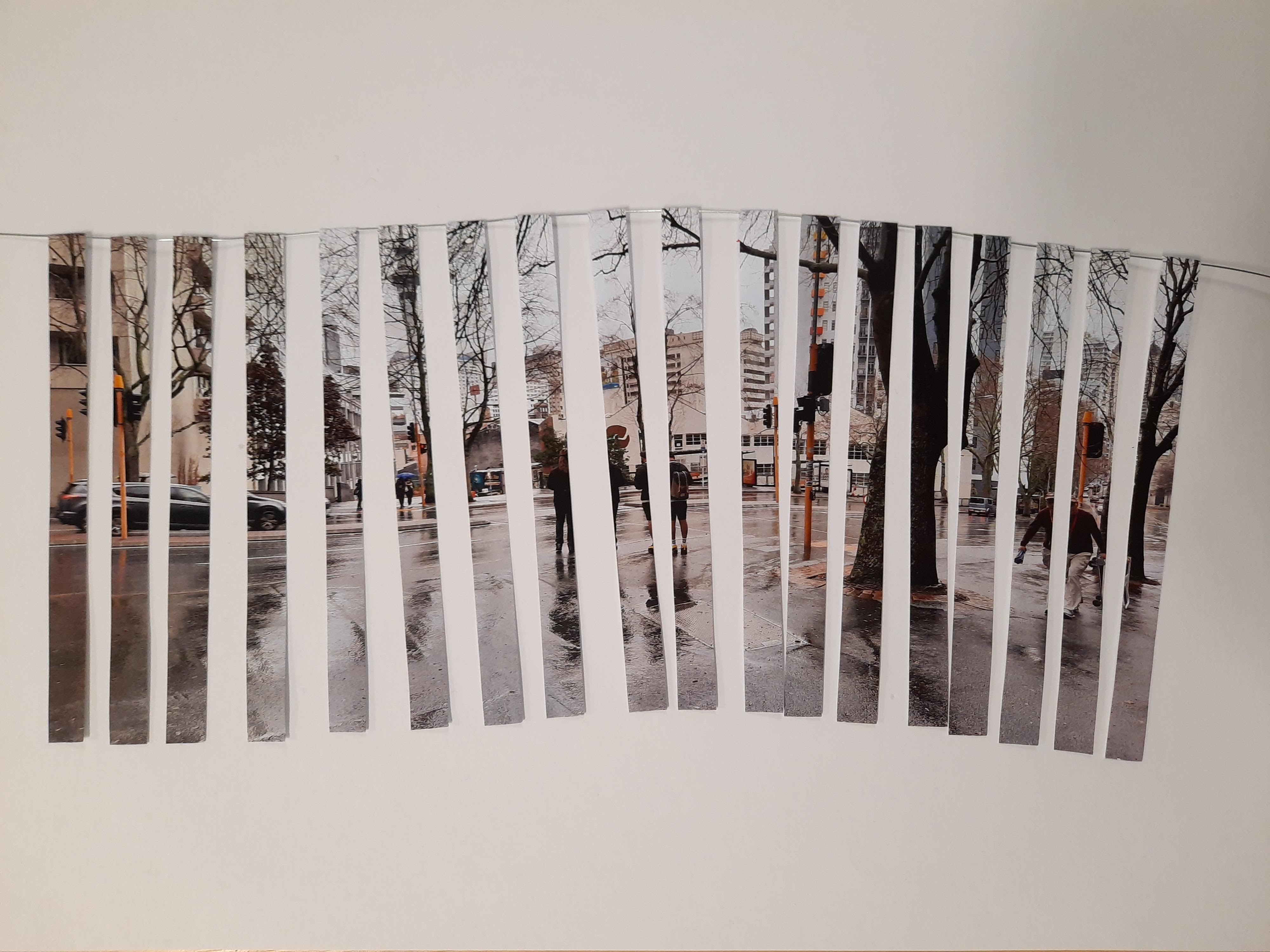
This exercise motivated me to start making my documents for Part 1 of this assessment. Below are some of the documents I created this week.