On Thursday morning I finished up pinning up my work for my presentation the following week.
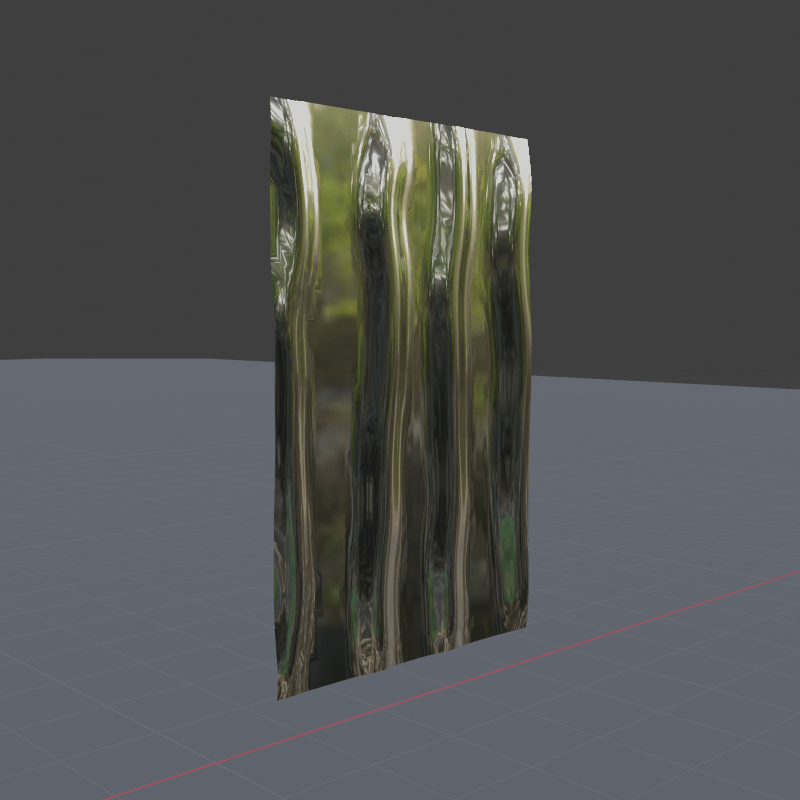
I decided to have the reflective film as a bac drop for my documents to create a more dynamic and visually interesting presentation. The film also has a series of crease which show structure within organic movement and reflection.
Considering how difficult I found it to get moving for the first half of semester as struggled to have a conceptual focus for the project, I am happy with the outcome.
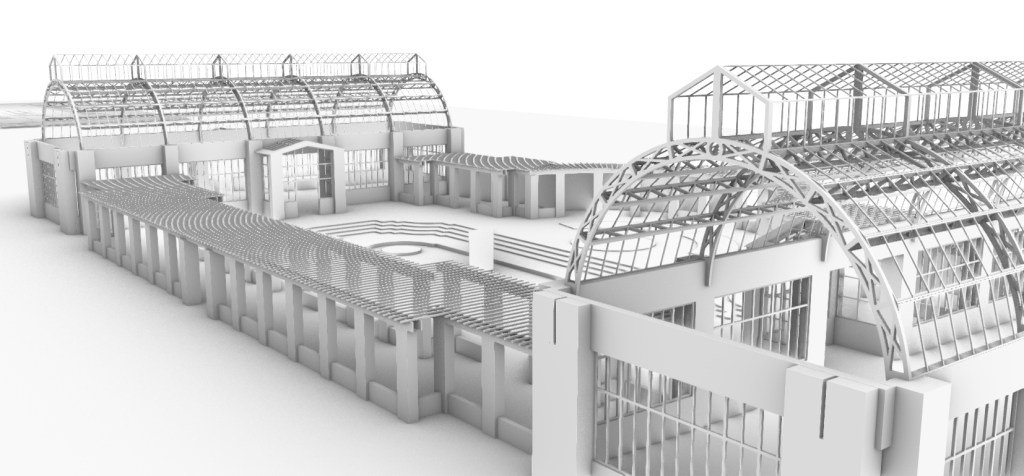
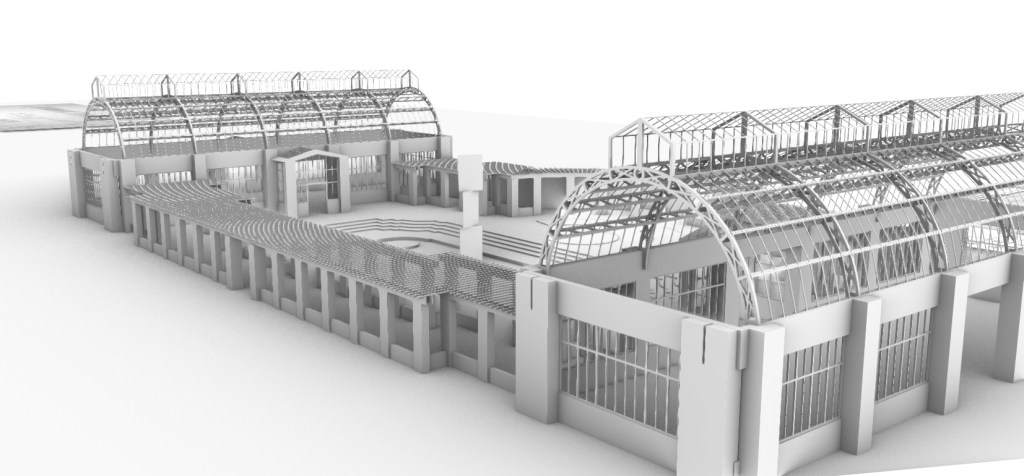
This week before our pin up on Thursday I was able to finish my 1:50 scale model of the design intervention, finalize my positioning statement and finish my site map.
1:50 SCALE MODEL
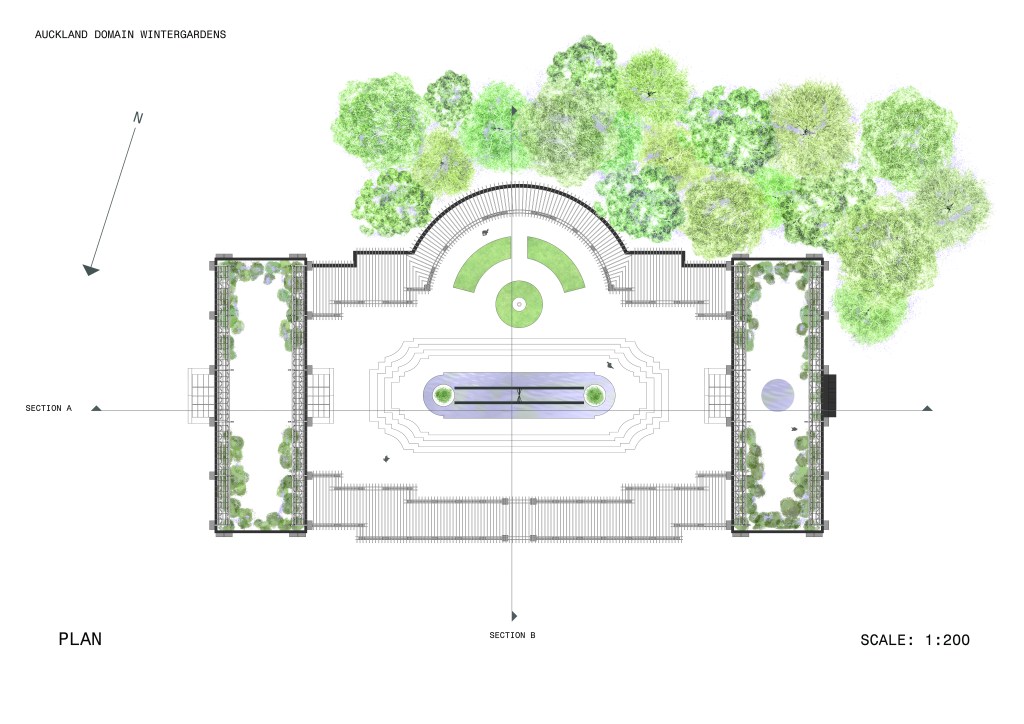
SITE MAP
FINAL POSITIONING STATEMENT Reconnection: Changing perspectives and viewpoints.
This project is focused on the reconnection of plant life on the inside and outside of the Wintergarden walls on both a physical and conceptual level. The inspiration of this concept derives from my fascination with the way the plants in the Wintergarden space, specifically the glasshouses, expressed a sense of entrapment and displacement through their testing and challenging of the physical constraints of the structure. This led me to investigate how placing plants into a manmade structure changes the way they are viewed conceptually. We subconsciously view the plants inside the glasshouses to be superior or of higher importance than those that grow outside the walls just because of their physical context.
My project will focus on an exhibition experience. The aim with my design intervention is to reconnect these two separate worlds of plant life and create a shift of subconscious perception. The project will articulate how a plant’s importance is not defined by the structure it is homed in. It will shift viewers’ thinking to an understanding of how their presence and intervention influence the meaning of a space and its subjects, and also how plant life, both “encased” and “free”, are always connected through a larger ecological system.
My aim is to explore this concept through lighting qualities and reflection. Something that articulated the dark undertone of the plant life inside the glasshouses being trapped and trying to escape was the soft looming shadows and blurred images of the plants pressing against the fogged glass on the exterior of the glasshouse. The soft horror lighting quality was very intriguing in the way it told this story of entrapment, and it was the physical quality on the site that I was most drawn to. This inspired further research where I discovered how reflective qualities would also help in articulating the reconnection of plant life.
Reconnection is a project that uses lighting and reflection qualities to tell a story and alter perspectives. It is an experiential exhibition that seeks to articulate the desperate story of a cry for help from those without voices. Reconnection inspires questions, opens minds and provokes visitors to rewrite the stories next chapter.
I also decided to give my project a name; Reconnection. The word reconnection is something that encapsulates my concept and supports my presentation documents. I feel like it ties everything up together well.
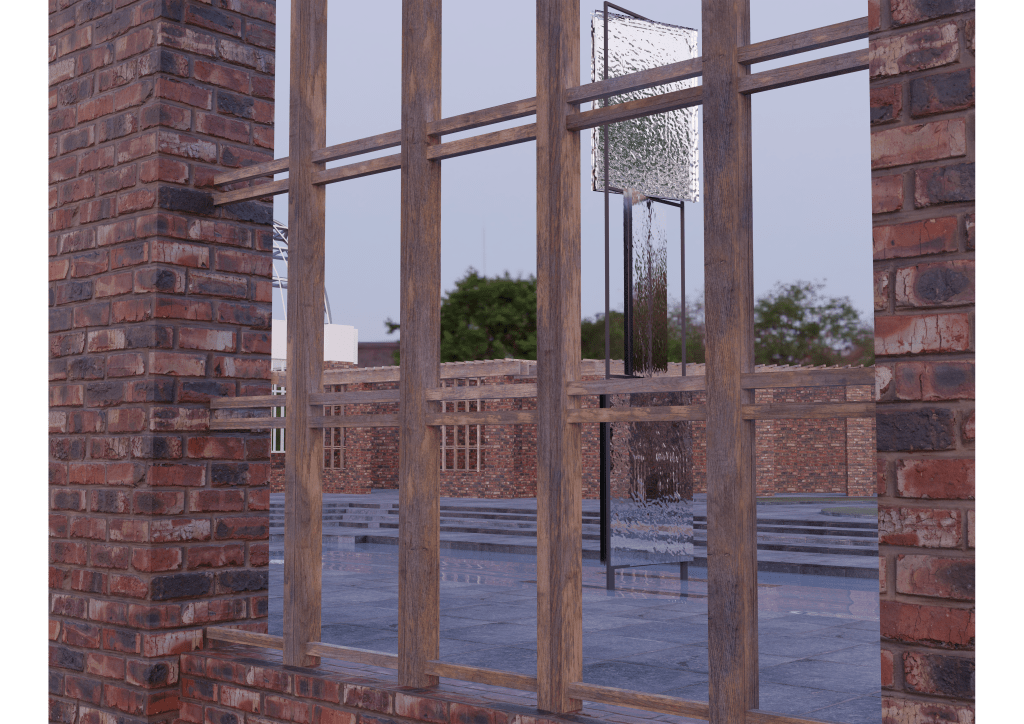
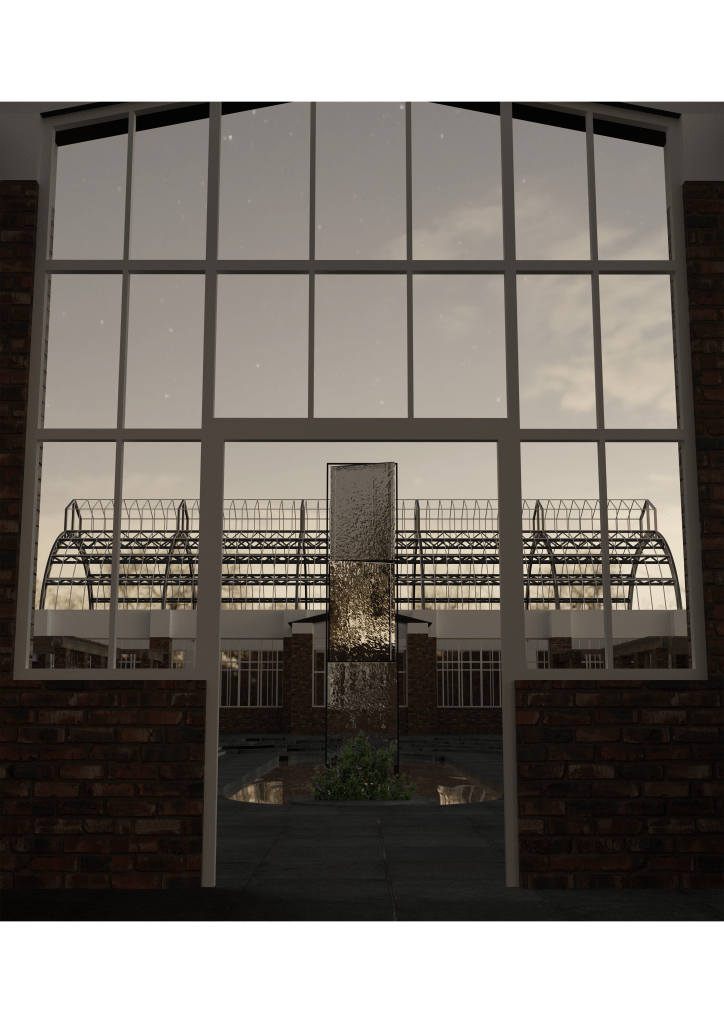
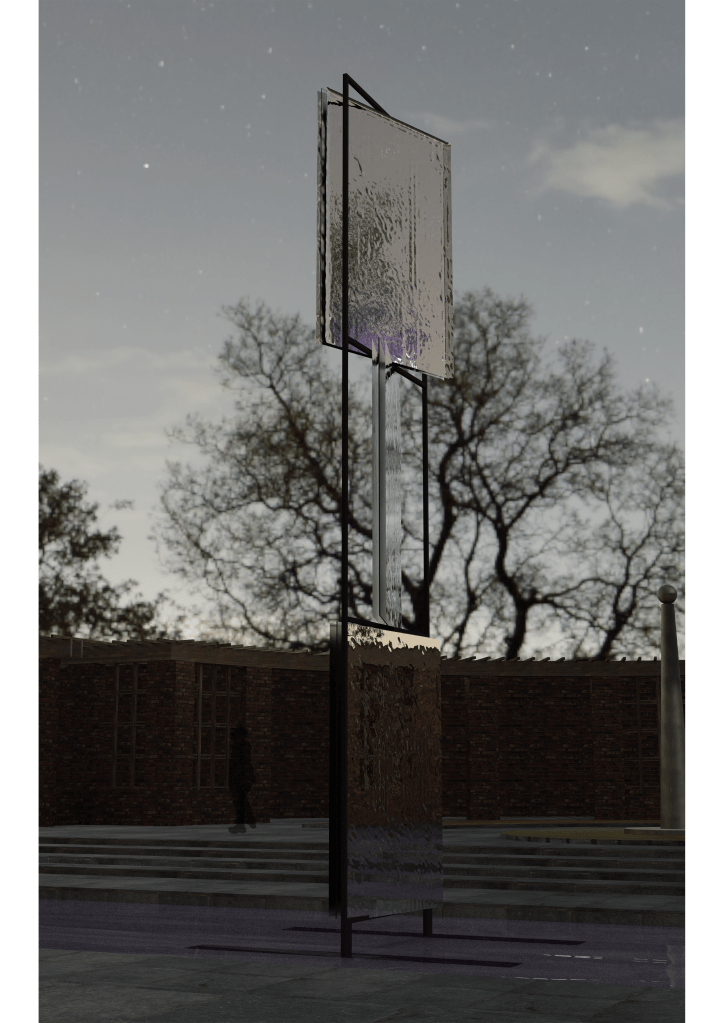
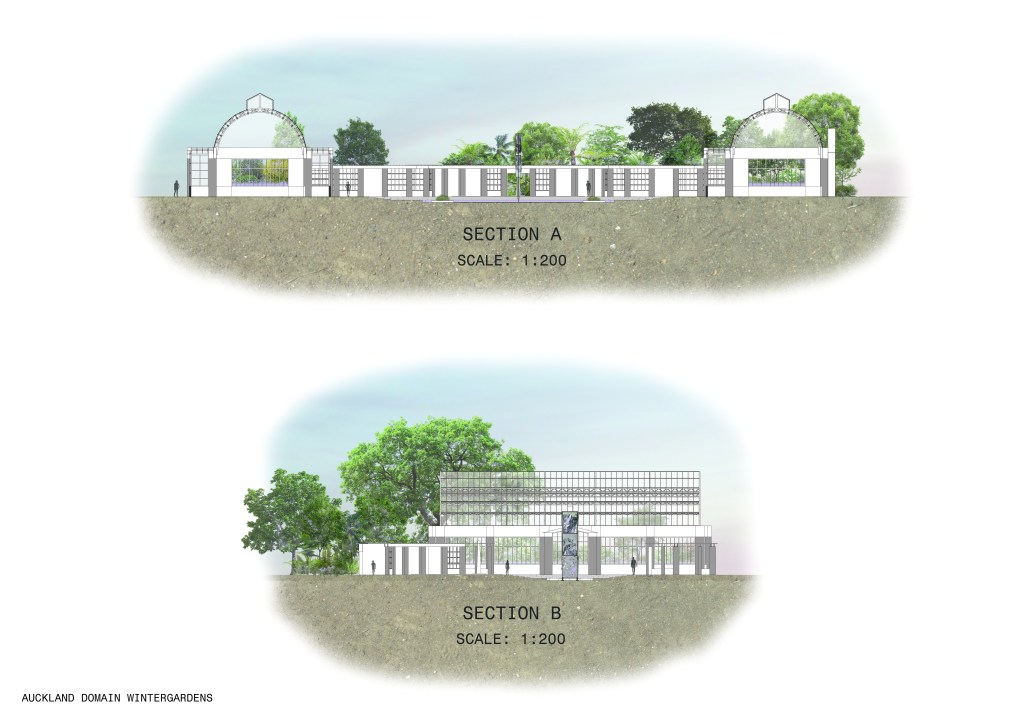
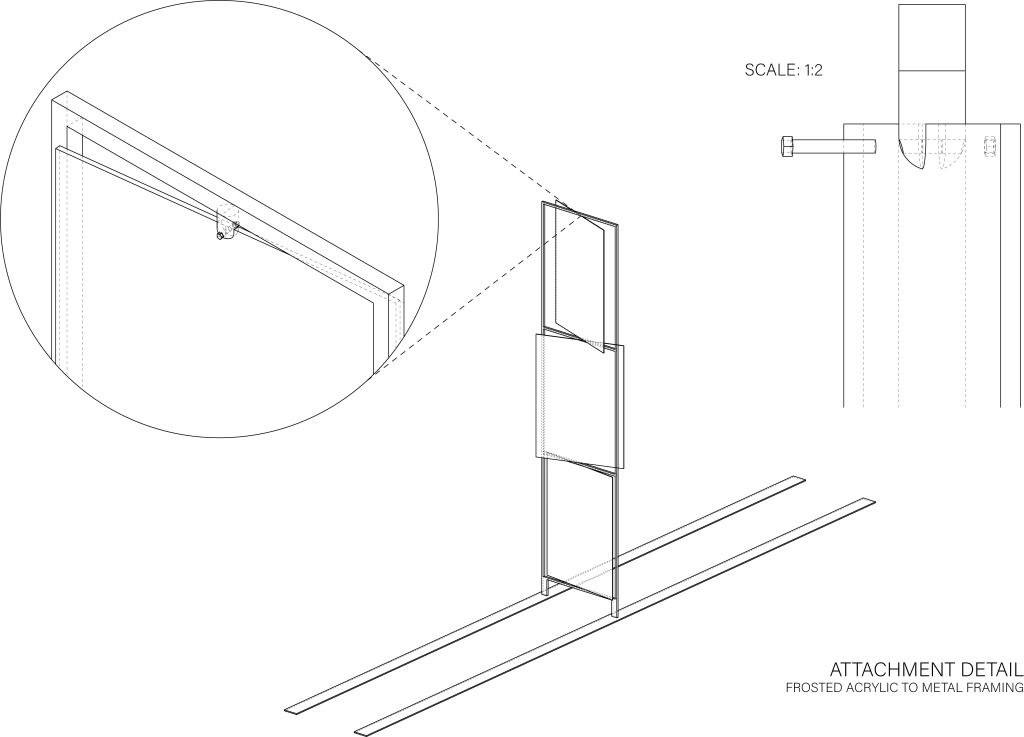
This week I focused on putting together my documents for my presentation. I was able to finish my atmospheric perspectives, my plan and section, and also the attachment detail for the frosted acrylic panels to the metal framing.
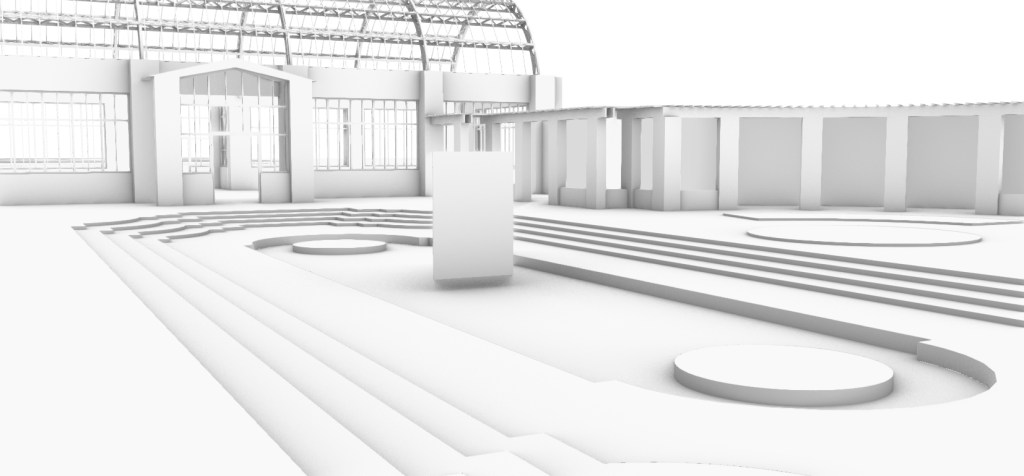
Later on in the week while working on atmospheric perspectives of the space in Rhino, I noticed a fault in my design. I noticed that the suspended panel and film wouldn’t be tall enough to reflect the trees behind the tropical house and without the reflection, my concept and point can’t be articulated. I spent a bit of time trying to figure out how I could alter the design in order to capture the reflection from the outside of the gardens. After a bit of time I came up with a concept.
BEFORE
BEFORE
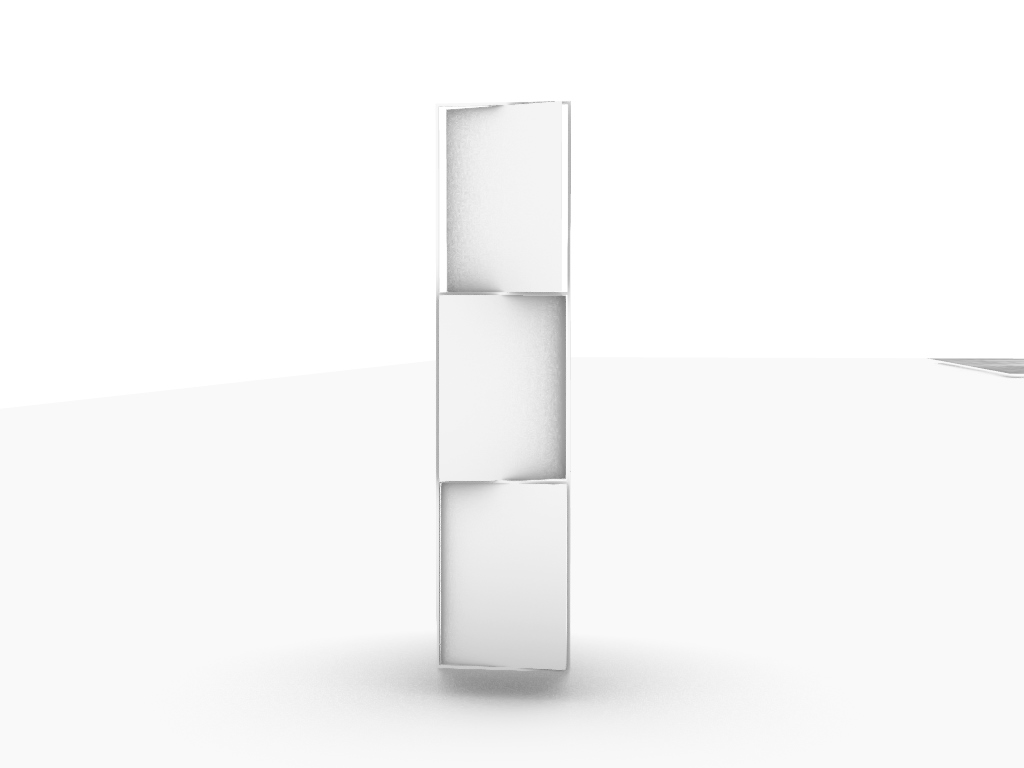
AFTER
AFTER
This design has enough height to reflect the trees outside the tropical house and also still allows movement. The design has changed quite a bit but still has the same purpose. The metal framing holds three frosted acrylic panels, all slightly tilted in different directions. The framing is connected to two large feet which sit in the pool to help keep it upright. All of the panels have reflective film on both sides which is attached via an adhesive at the top of the panels. The framing and frosted acrylic panels are a representation of the glasshouse structure and its glass. I decided to tilt each of the panels to give more dimension to the installation and the space. By having a variety of angles, the experience of the exhibition is continuous throughout the courtyard space. The tilt also shows the challenging of thresholds, the same as which the plats inside the glasshouse did.
I am a lot more confident with this design and I think it articulates my ideas in the best way possible.
This week a lot of doubt was put into my mind about my design, and I had very little confidence in the completion and success of my project. One of the main issues with my design was how it was going to act in the site. Because of the width, stability, and weight of the reflective film, it would likely move very erratically due to the wind and may not create the effect of reflection I desire. I also have had to think about my lighting aspects of the intervention. I have put little thought into the spotlight that shines out of the glasshouses and it almost seems like an afterthought. Because of this, I have had to come back to the drawing board. I am starting to become very stressed because it almost feels like starting over again at the end of semester.
After much consideration and thought I decided that my best option was to hang a panel and have the reflective film hanging off it. I still believe that having a reflective film instead of a reflective panel will articulate my idea a lot better. I also still want to have both sides reflective so the film will be hanging from both sides of the panel. The panel will attach to the cable as I explored previously, and the film will be attached with an adhesive along the top on each side. Having the panel will still allow movement of the film, it will just limit it and give it more structure.
I have also decided to remove the spotlight as it isn’t as much of an important aspect of the design as I had originally thought. It doesn’t create the effect I want and almost distracts from it. I still want to keep the coloured lighting as this helps the visual connection between inside and outside the gardens. Without the coloured lighting, the concept and aim of the project is likely to get lost.
This week, after deciding on a reflective film instead of a panel, I did some further research into materials as I don’t think chrome spray would be able to withstand and create the same effect on a fluid material.
I found that there is a reflective film/sheet that is used for indoor greenhouses. The reflective film is staple to walls to create even lighting and heat throughout the greenhouse, ensuring that all the plants grow equally. This film is exactly the type of material I want to use in this project. It is highly reflective, easily manipulated through movement and you can buy it in large sheets. After some research into it further, I found that the material is commonly called BoPET with is a polyester film.
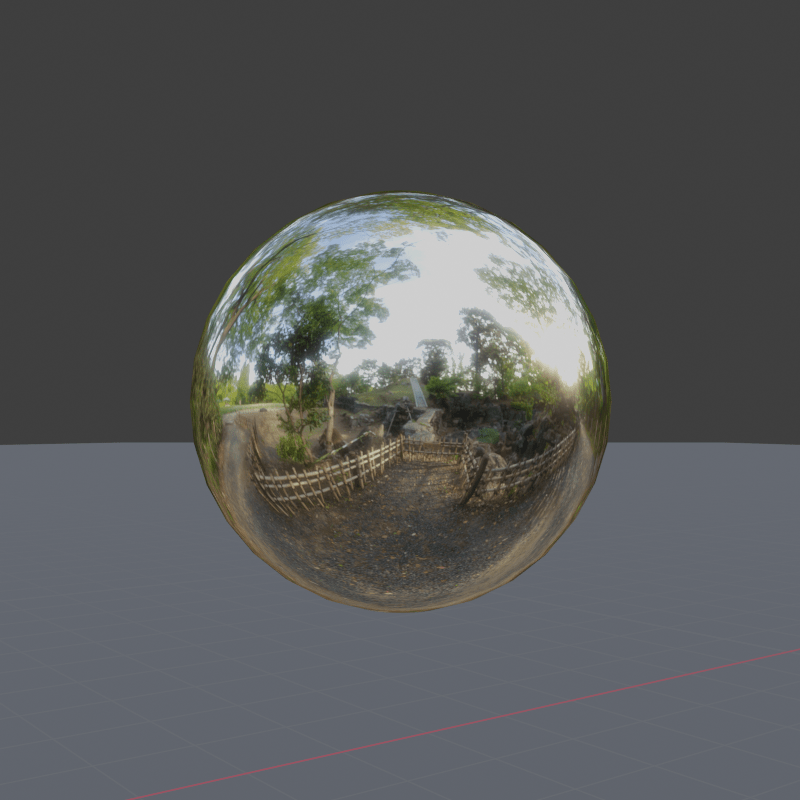
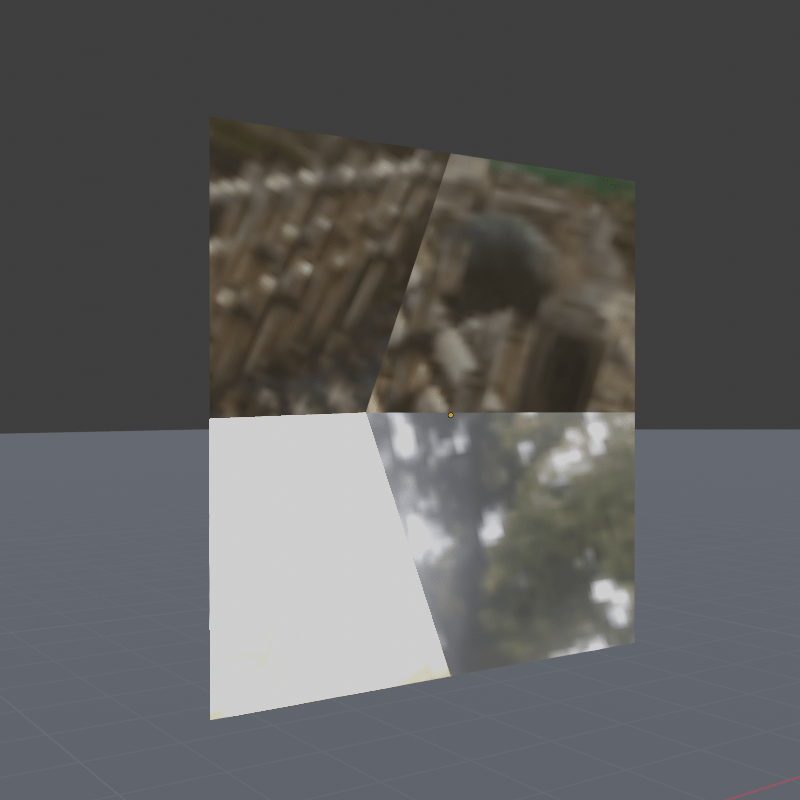
After my exploration of reflective surfaces on Blender, I began to think of altering the reflective panel. I have come to find that the reflective panel is going to be very rigid and although its attachment to the cable will allow it movement (more so wit human interaction than the breeze), it still will be very stiff in the space.
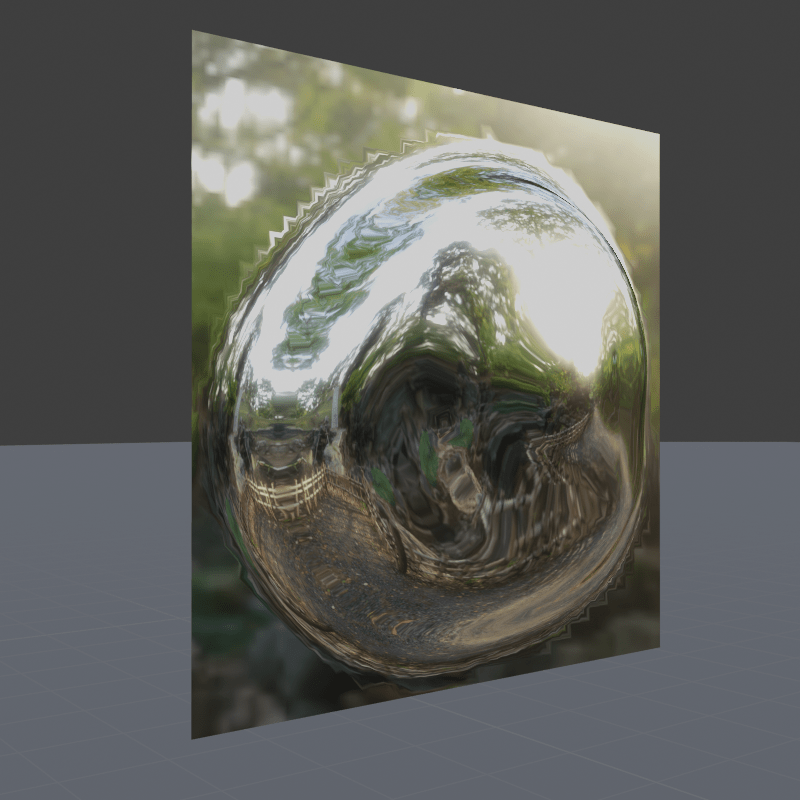
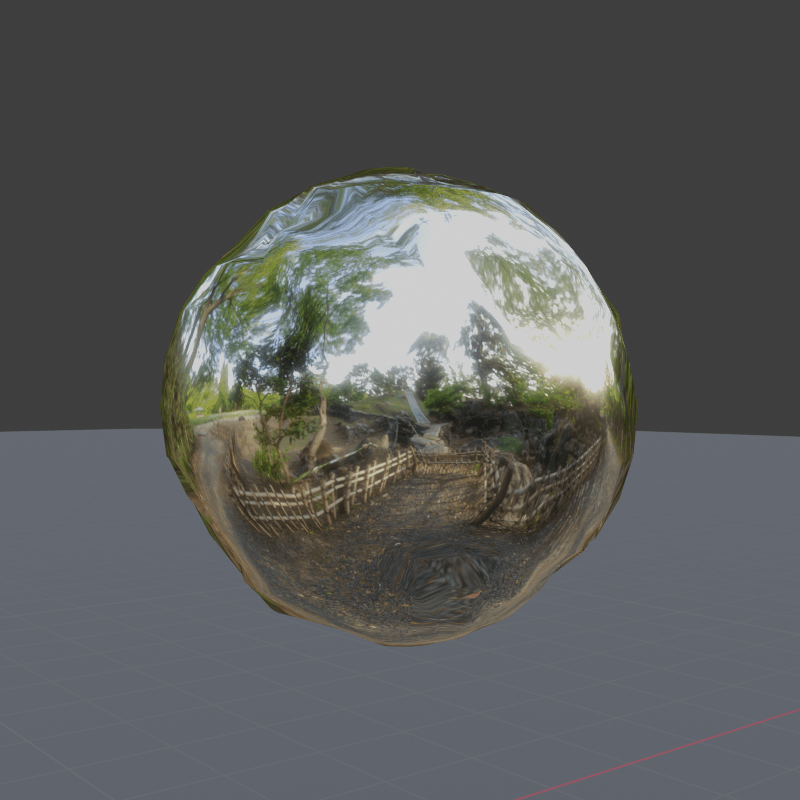
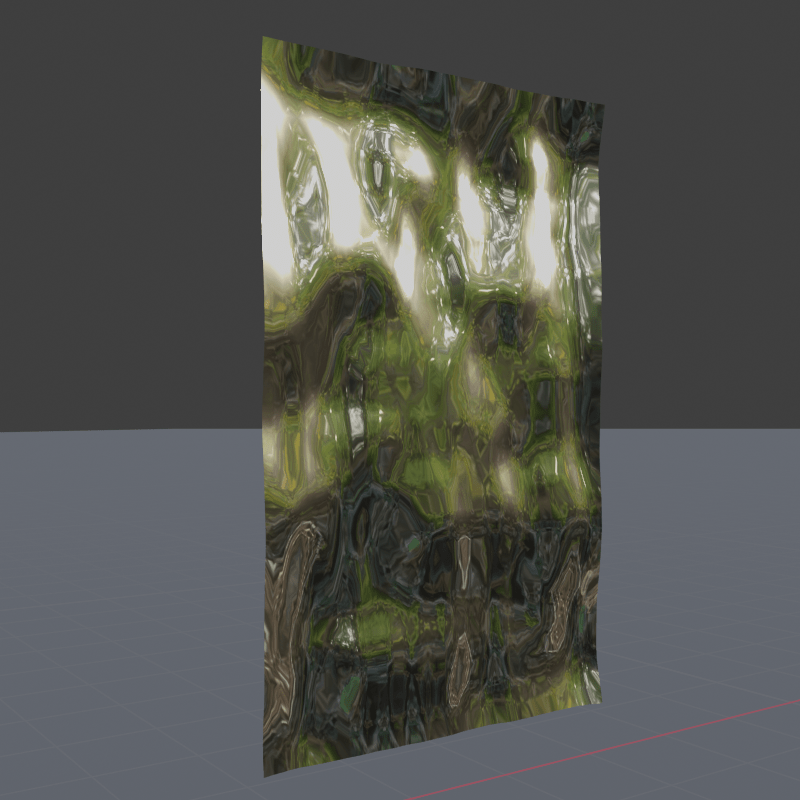
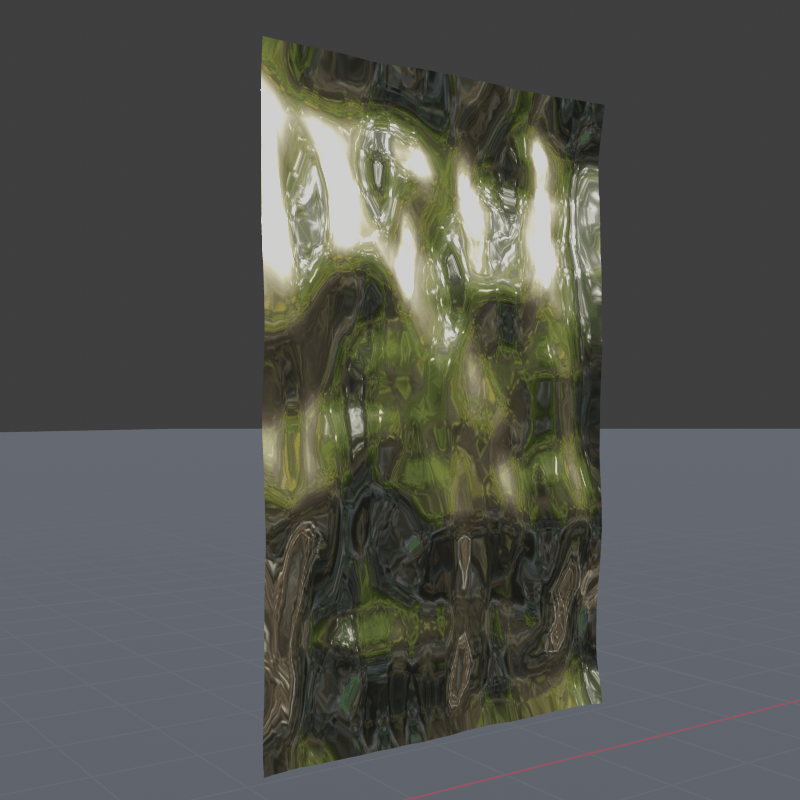
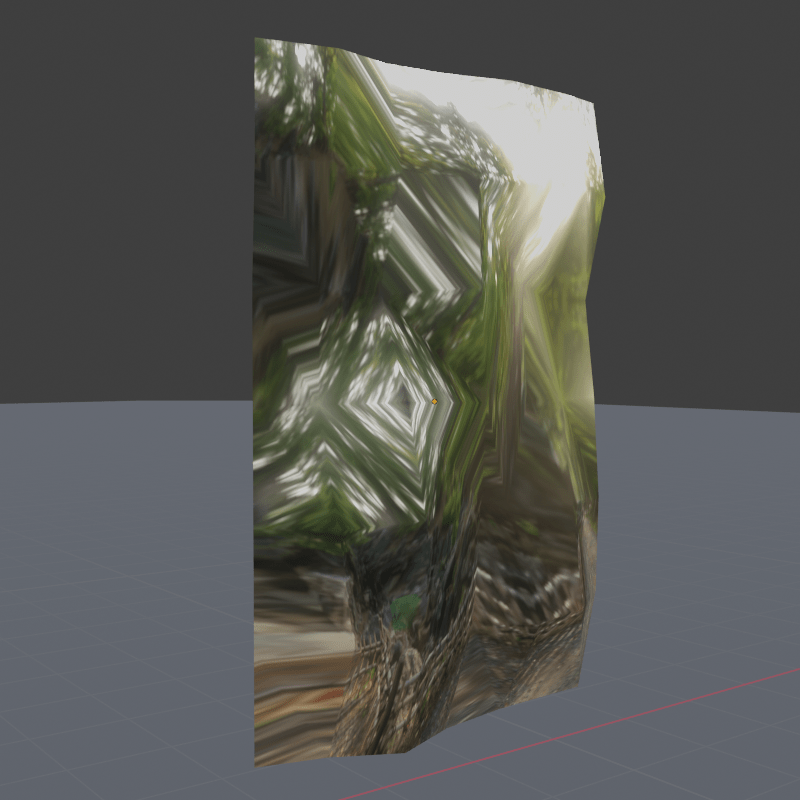
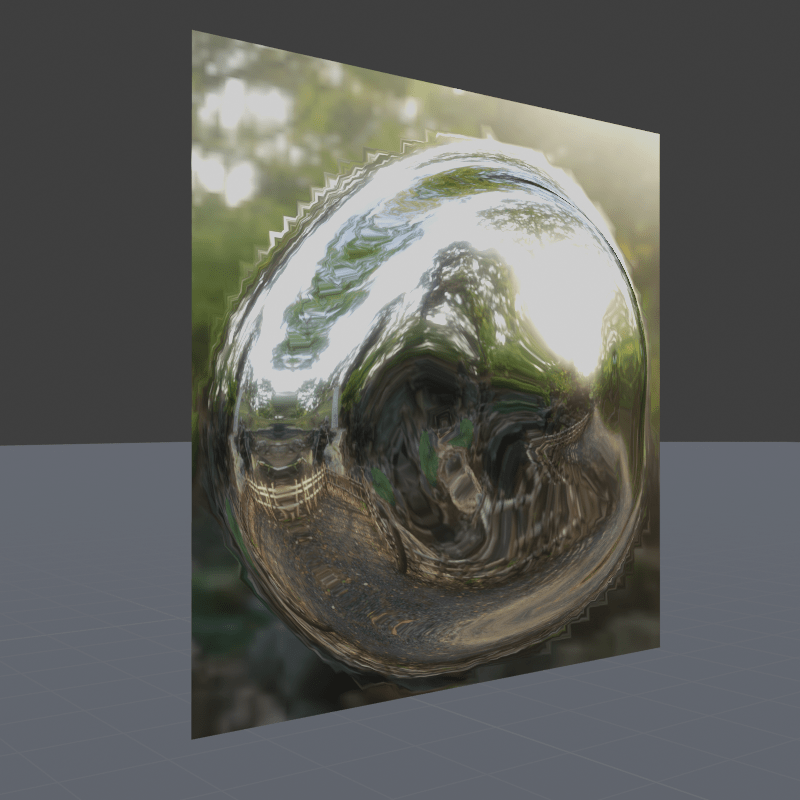
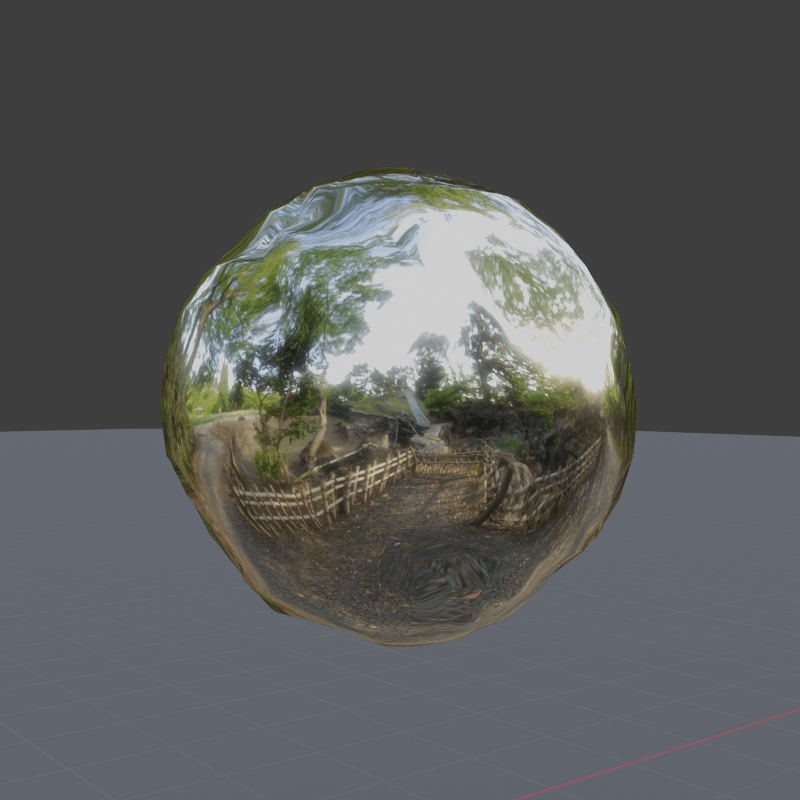
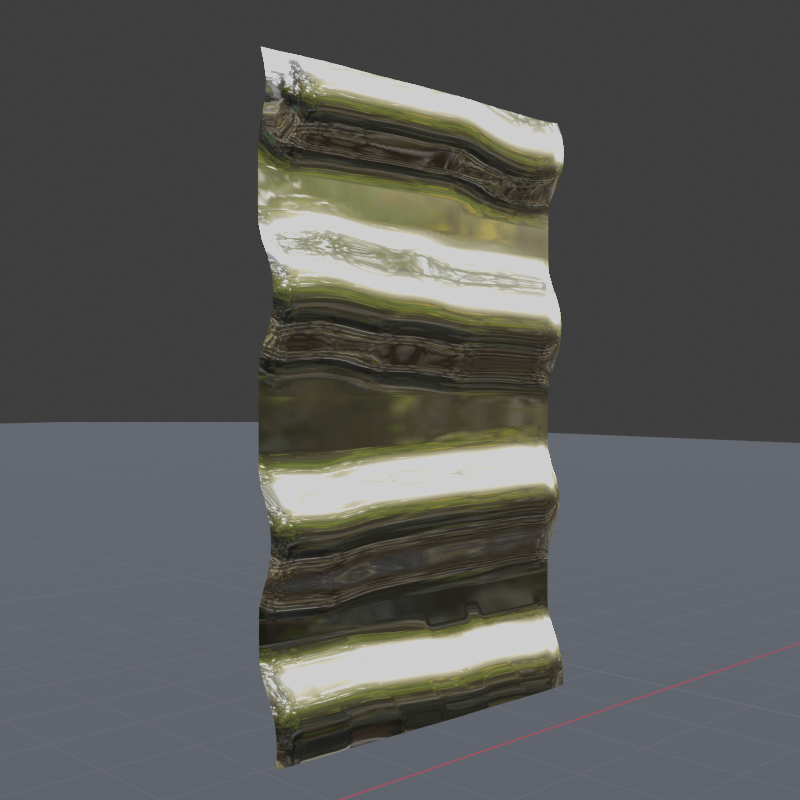
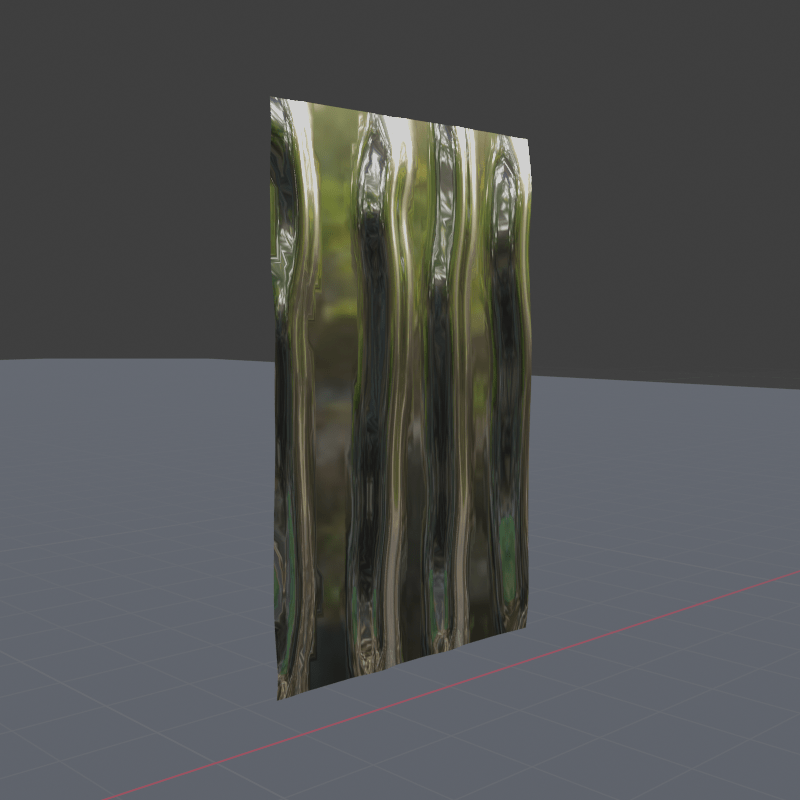
Some of my favourite explorations in Blender were the ones that created a warped reflection of its surroundings. These felt more organic.
This led me to thinking about having a reflective film suspended instead of a panel. The film would allow more movement from both visitors and environmental conditions and this movement would reflect a organically distorted image. My project is about reconnecting plant life and it makes more sense to create a more organic sense of movement as that in itself metaphorically reflects plant life. My project also highlights how the physical thresholds of the site disconnect these two worlds of plant life. Having a panel articulates and creates more structure in the space, almost highlighting the opposite of this design’s purpose. The film will be limited to it’s boundaries of movement and shape.
I was quite sick this week so missed out on the opportunity to get some good feedback on how I can develop my ideas and move forwards with my design with the review. Although this was the case, I was able to get some more explorative work done in terms of the details of my design.
Rachel gave some good feedback on how I could explore and create iterations of different aspects of my design which I kept in mind as I explored how different shapes and surface qualities could alter my design in terms of the reflective panel. I looked into Catherine Griffiths work on O’Connell Street in Auckland to begin with. What I found interesting about her work was the way her design reflected the landscape around it to those walking past underneath. This aspect of her design relates to mine in the sense of using reflection as a means of connecting two planes in one place. Also, my attachment concept of the design being suspended from a panel was inspired by her work.
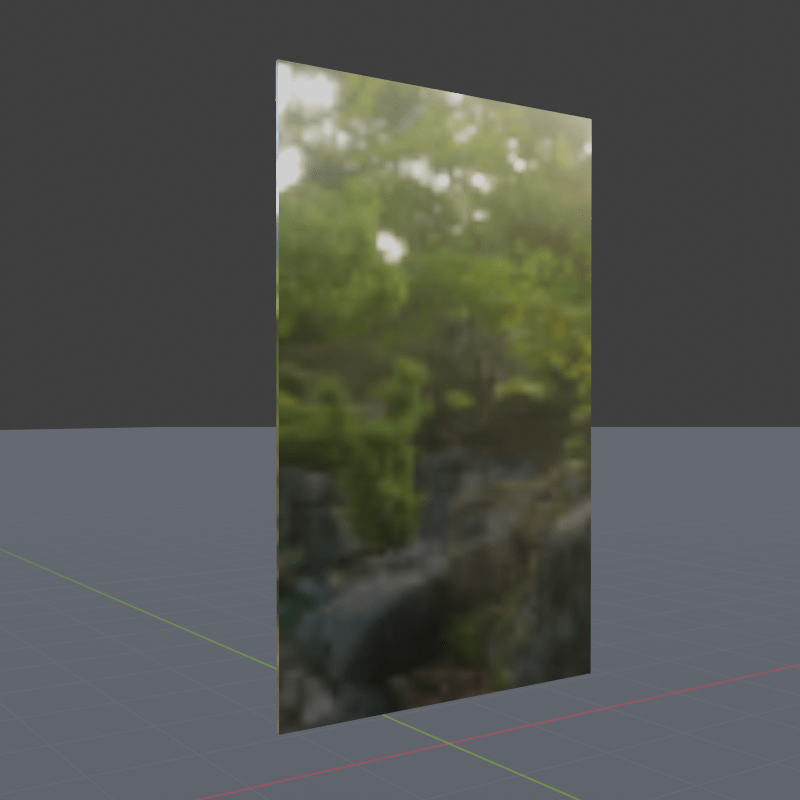
I then started exploring some variation of reflective surfaces in Blender.
I also did some exploration of colour for the lighting in the pool and trees in and around the gardens.
Because my ideas derive from the ideas and visual of the plants trying to escape, I wanted to choose colours that eated to this. The exterior views of the glasshouses created a calming horror scene with the soft and supple lighting and imagery of the plants with dark undertones of crying for help. I picked a few colours that related to this. I then did some experimentation with blending these colours to create the lighting colour palette which I have called Soft Horror to capture its essence.
Now that I have a clearer idea about what my design intervention is going to be, I can refine my positioning statement once again. Diving in and just getting ideas to paper has really helped me organize my thoughts and has allowed me what is and what isn’t important to articulate my concept and aim. Below is my latest version of my positioning statement.
POSITIONING STATEMENT Reconnecting two separate worlds separated by structure and a social concept.
This project is focused on the reconnection of plant life on the inside and outside of the Wintergarden walls on both a physical and conceptual level. The inspiration of this concept derives from my fascination with the way the plants in the Wintergarden space, specifically the glasshouses, expressed a sense of entrapment and displacement through their testing and challenging of the physical constraints of the structure. This led me to investigate how humans placing these plants in a particular structure gives them another context and it projects human social concepts onto plant life. Ultimately, we subconsciously view the plants inside the glasshouses to be superior or of higher importance than those that grow outside the walls just because of their physical context.
My project will focus on an interactive exhibition experience with educational qualities that reconnects these two separate worlds of plant life and creates a shift of subconscious perception. The project will articulate how a plant’s importance is not defined by the structure it is homed in. It will shift viewers’ thinking to an understanding of how their presence and intervention influence the meaning of a space and also how plant life, both “encased” and “free”, are always connected through a larger ecological system.
My aim is to explore this concept through lighting qualities and effect combined with reflection. Something that articulated the dark undertone of the plant life inside the glasshouses being trapped and trying to escape was the soft looming shadows and blurred images of the plants pressing against the frosted glass on the exterior of the glasshouse. The soft horror lighting quality was very intriguing in the way it told this story of entrapment, and it was the physical quality on the site that I was most drawn to. This inspired further research where I discovered how reflective qualities would also help in articulating the reconnection of plant life.
This week I got some good feedback about how to develop and finalize my idea. I began looking into material choices as well as attachment and construction details.
I decided that my best option to attach the panel was to a zipline cable as it would be able to withstand the weight of the panel and also would allow movement as it is a lot more flexible than a pole. I would attach the cable to the pergola on each side of the courtyard. Below is a sketch of how I would attach the panel to the cable.
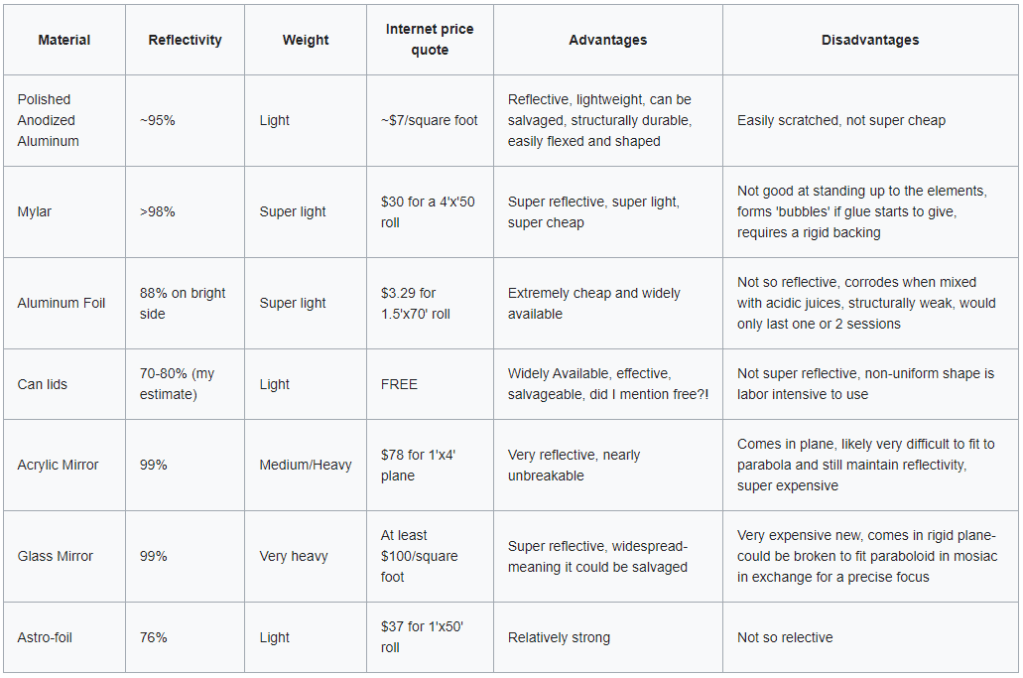
Because the mirror effect is an important part of my design I begun to look into how I wanted to create this. I began with looking at different types of reflective materials. Because I want to hang the panel, the material I chose for it needs to be light weight. It also needs to be durable as the panel will be set up outside in the elements.
After looking into this variety of materials, I decided that polished anodized aluminium was probably the best option for me. The only issue is that it is easily scratch and although it is structurally durable, it is going to wear quickly outside in the weather and with people interacting with it. I then thought of chrome. It is a highly reflective finish that is used on many surfaces that have a lot of wear.
After looking into the different types of chrome finishes, I decided that a spray chrome would be a good option. Because the installation isn’t permanent, it will last long enough. Also, it doesn’t add a significant amount of weight onto the panel. Chrome plating, although thin, on a large panel can add a bit of weight and I want to ensure that I keep the panel light.
By using a chrome spray, I can manipulate the shape of the surface if I desire as well as the spray can be applied to almost any shape; it gives me more creative freedom. In terms of the material of the panel that the chrome will be sprayed onto, I want to keep it light weight and considered some form of plastic. This would not only be light weight, but also allow me to manipulate the shape of it. I was a bit worried that I wouldn’t be able to apply chrome spray onto plastic but after some research I found that there a very few limitations.





 Spatial Design by Ciara