Below is a descending stream of my blog posts. If you would like to look at specific projects, please use the menu above. Here you can easily find my final presentations for each semester.
Thank you for spending the time to look at my work,
Ciara
Below is a descending stream of my blog posts. If you would like to look at specific projects, please use the menu above. Here you can easily find my final presentations for each semester.
Thank you for spending the time to look at my work,
Ciara
Below is my final submission for this paper.
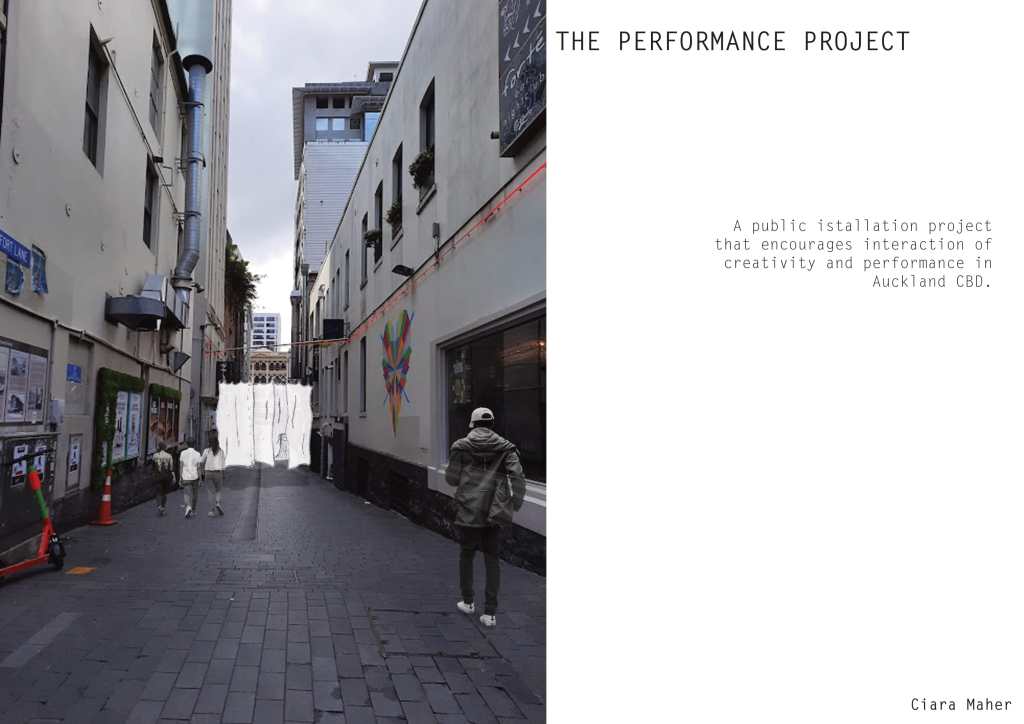
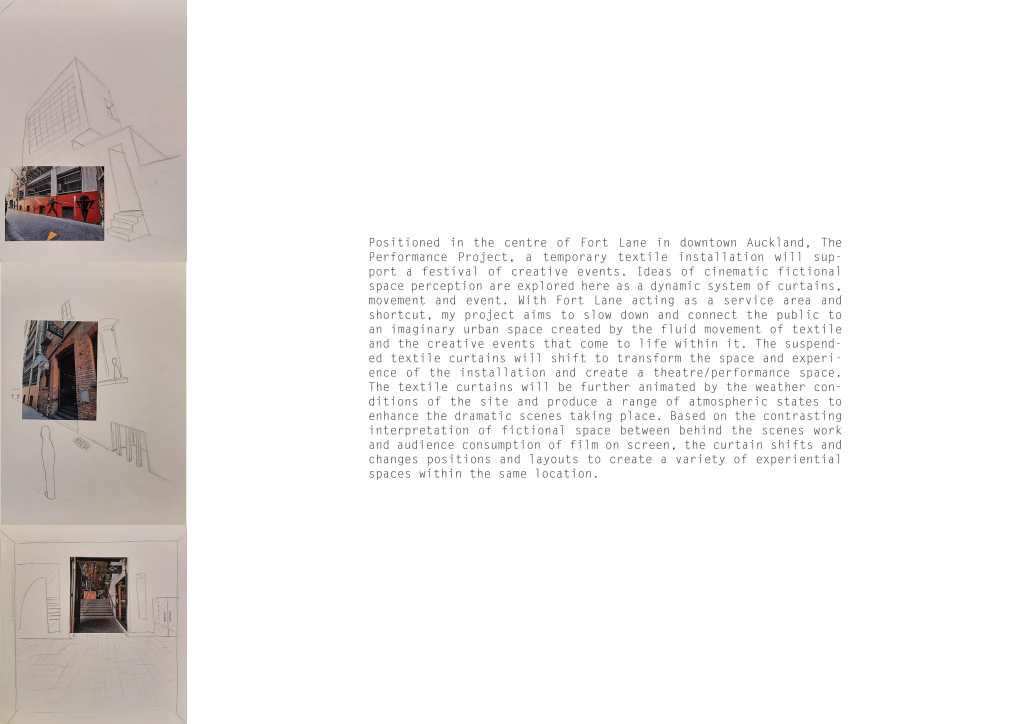
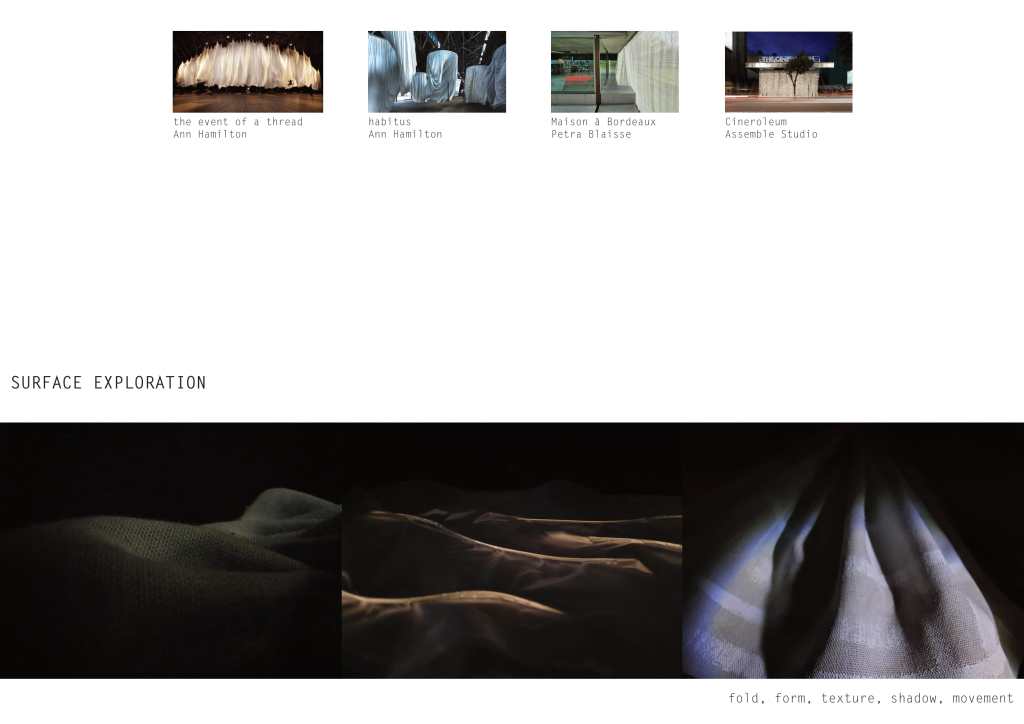
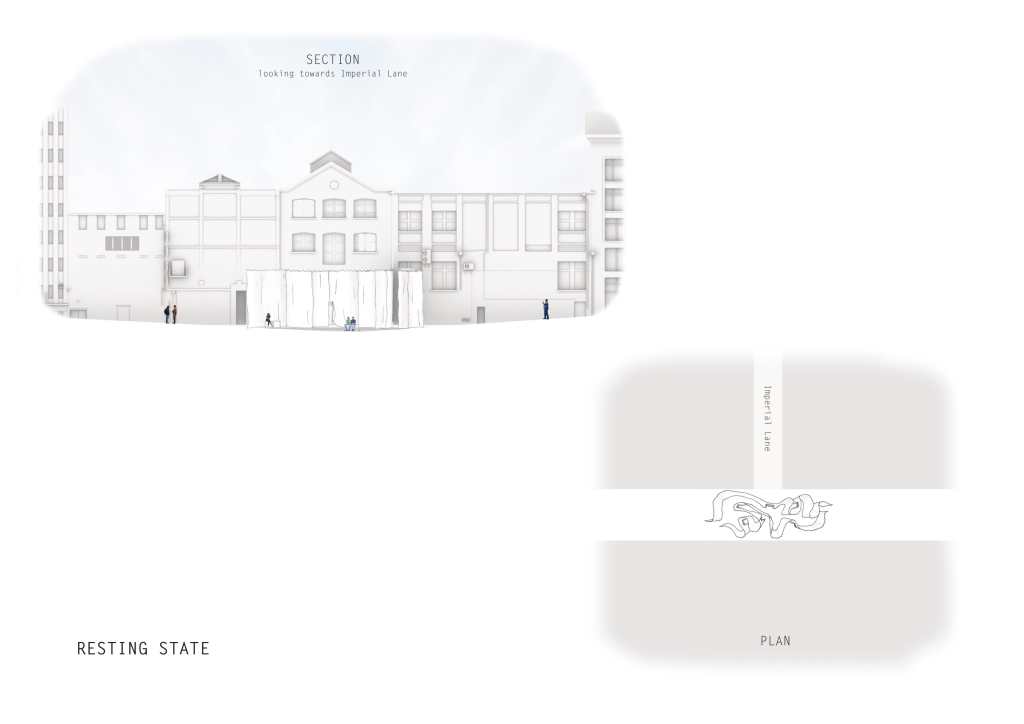
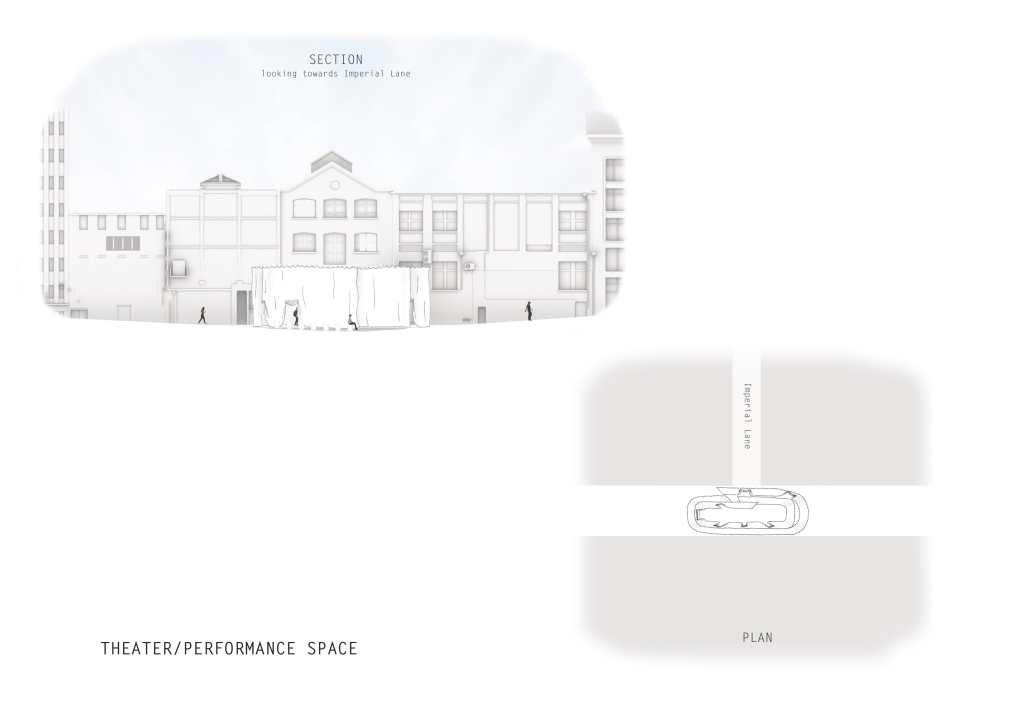
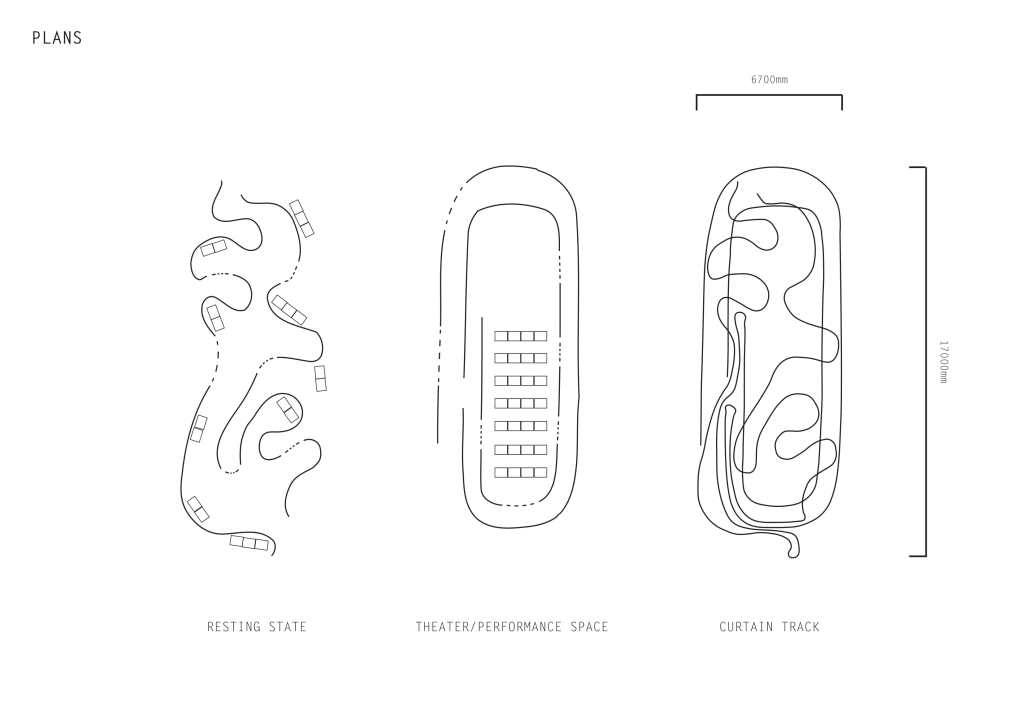
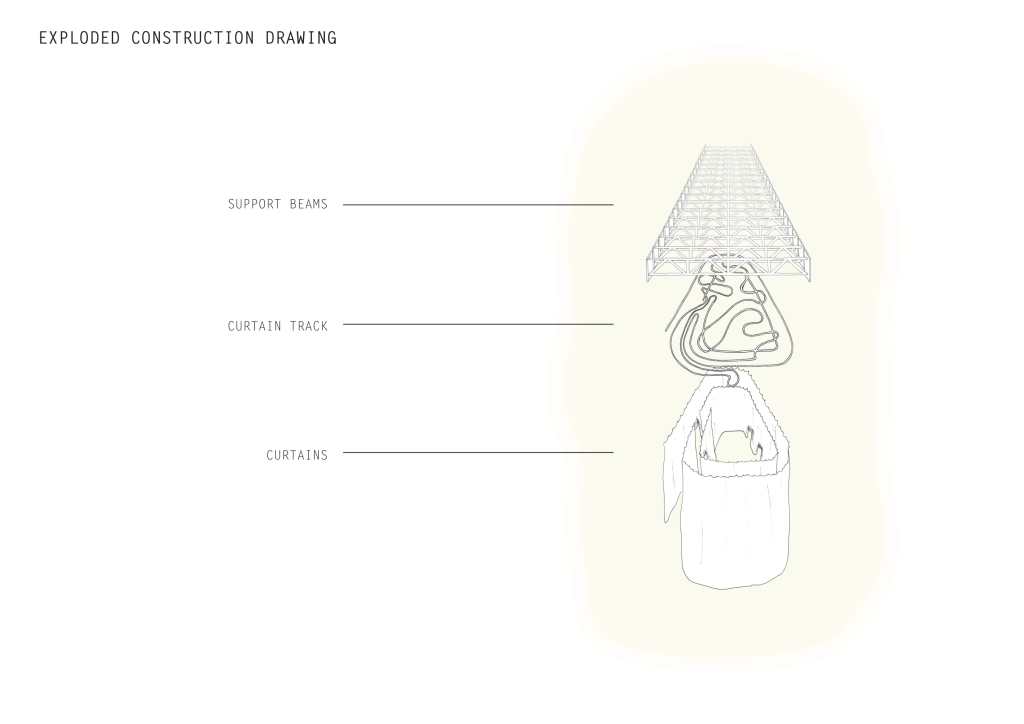
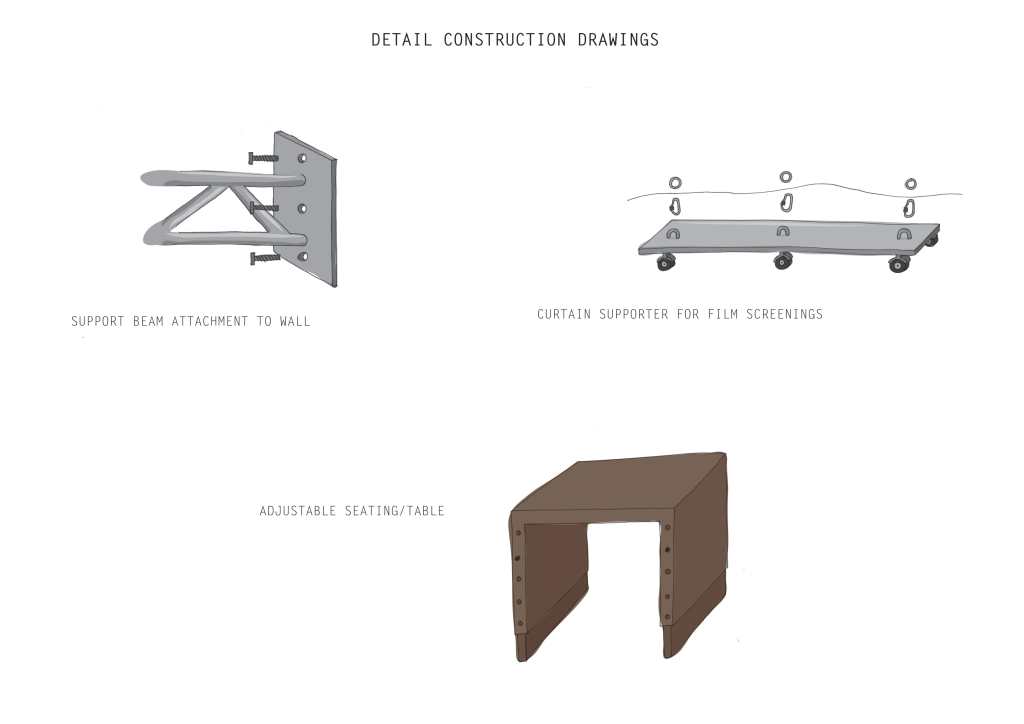
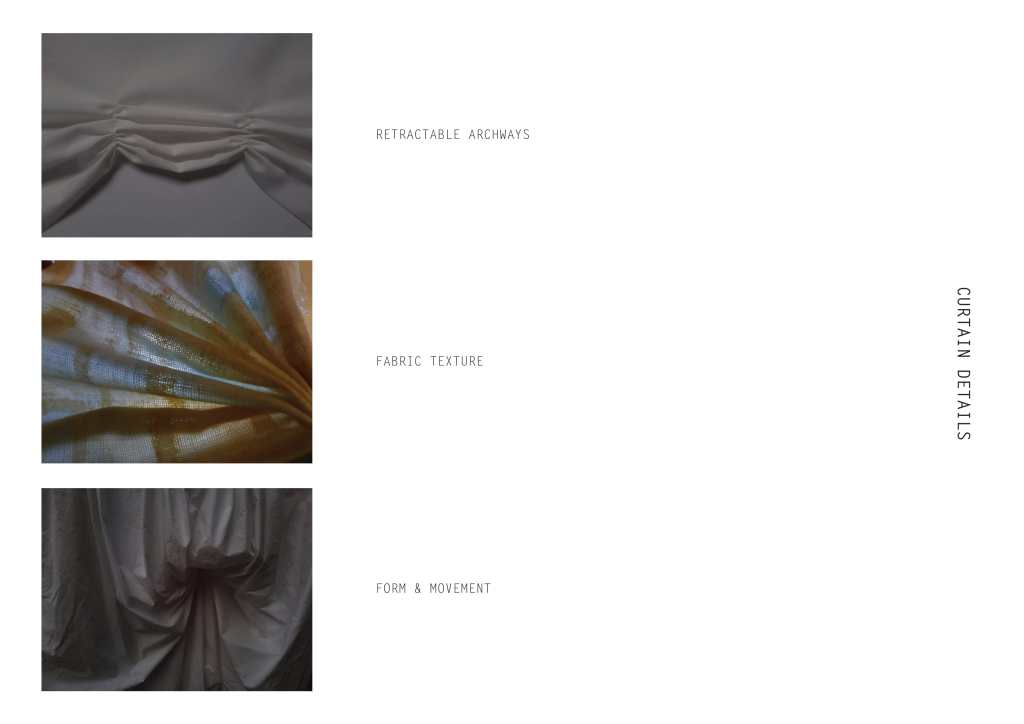
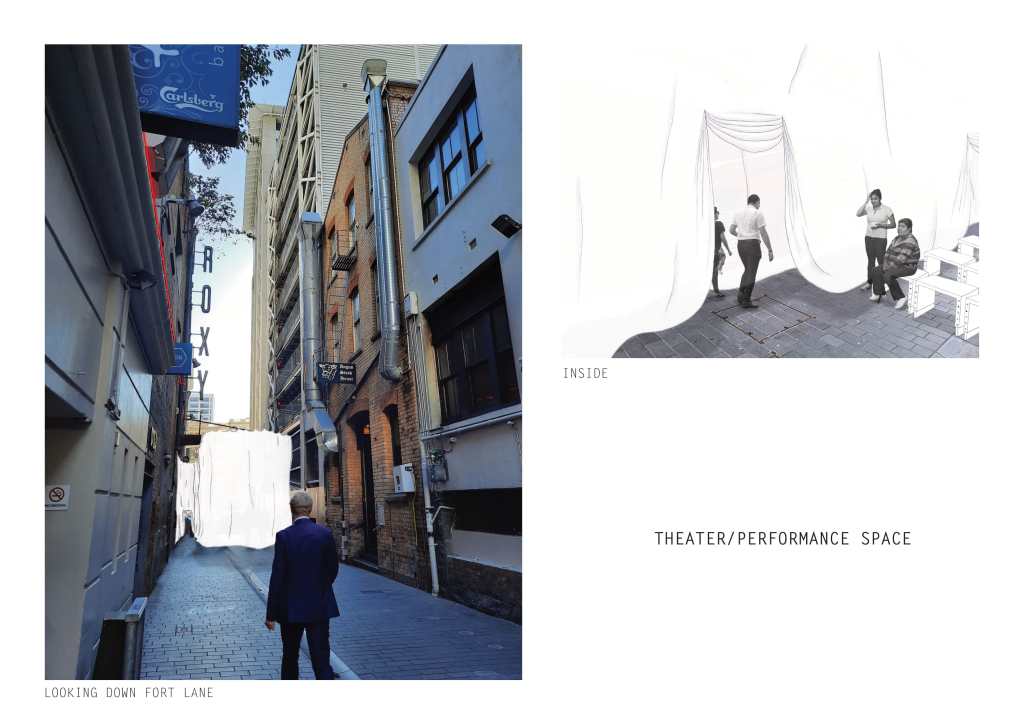
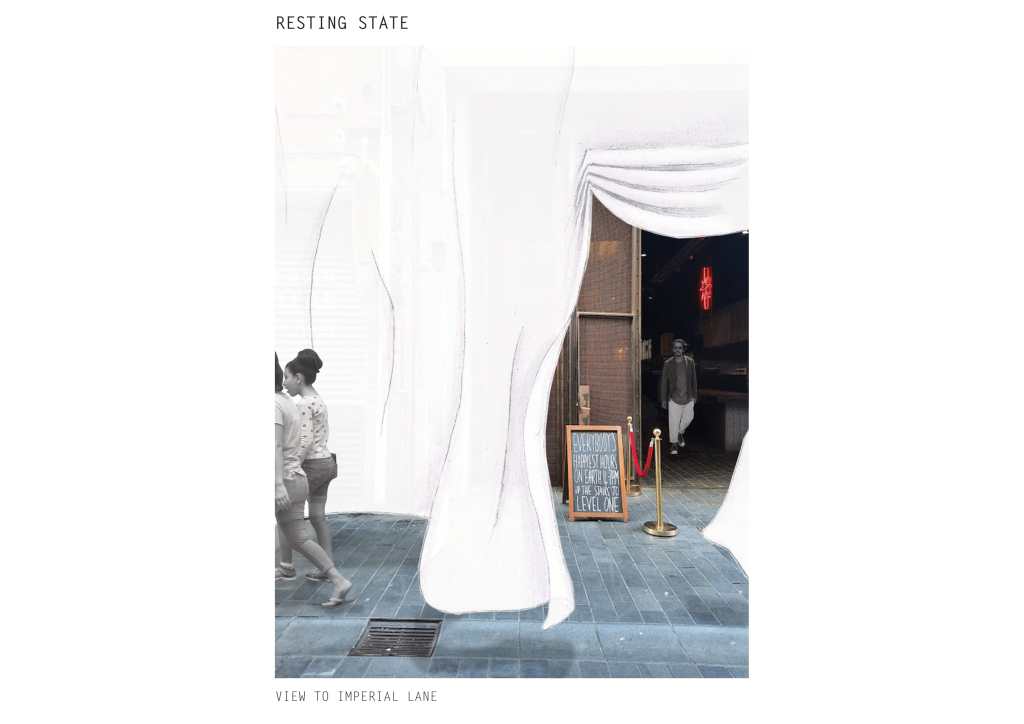
This week I worked on finalising and finishing up my drawings for my final hand-in. Now that I have figured out the details for each aspect of my design, I have been able to alter some of my work accordingly and fill in any gaps. Below are some of the drawings I worked on this week.
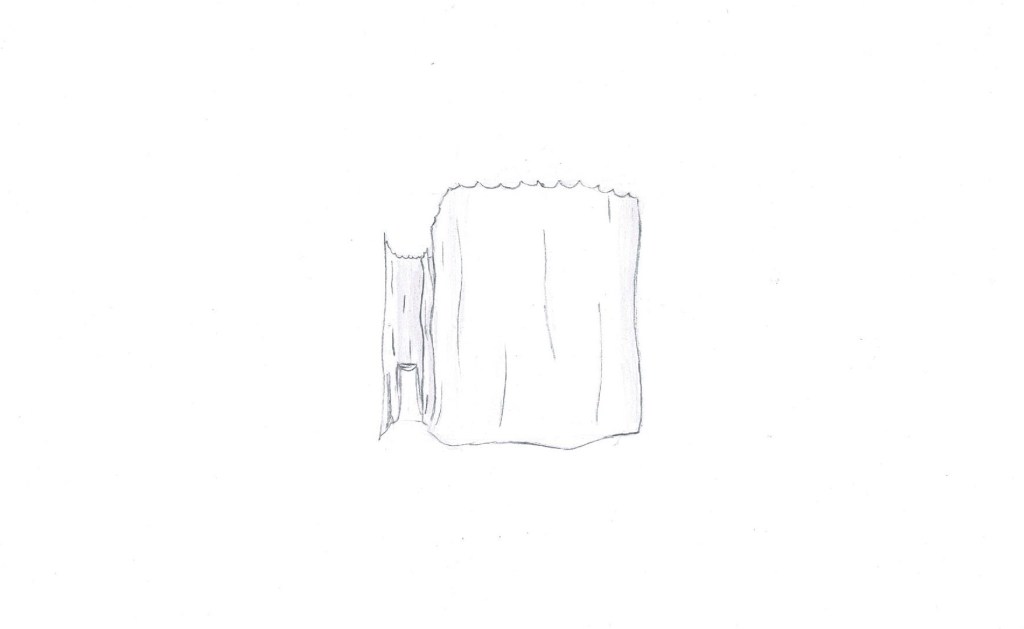

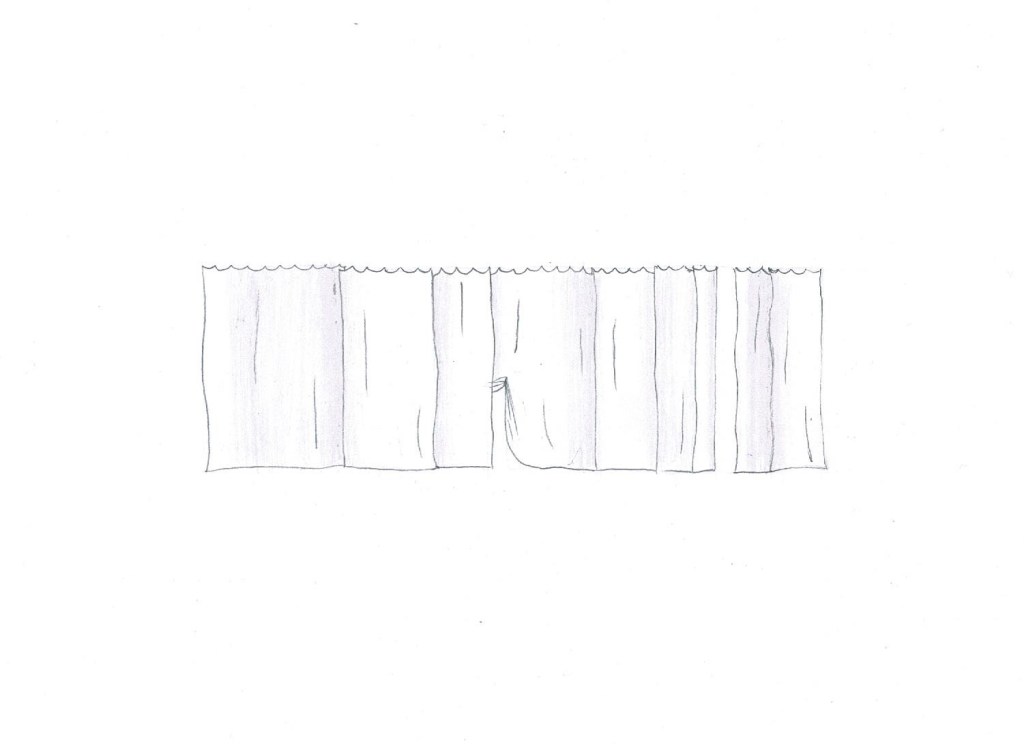
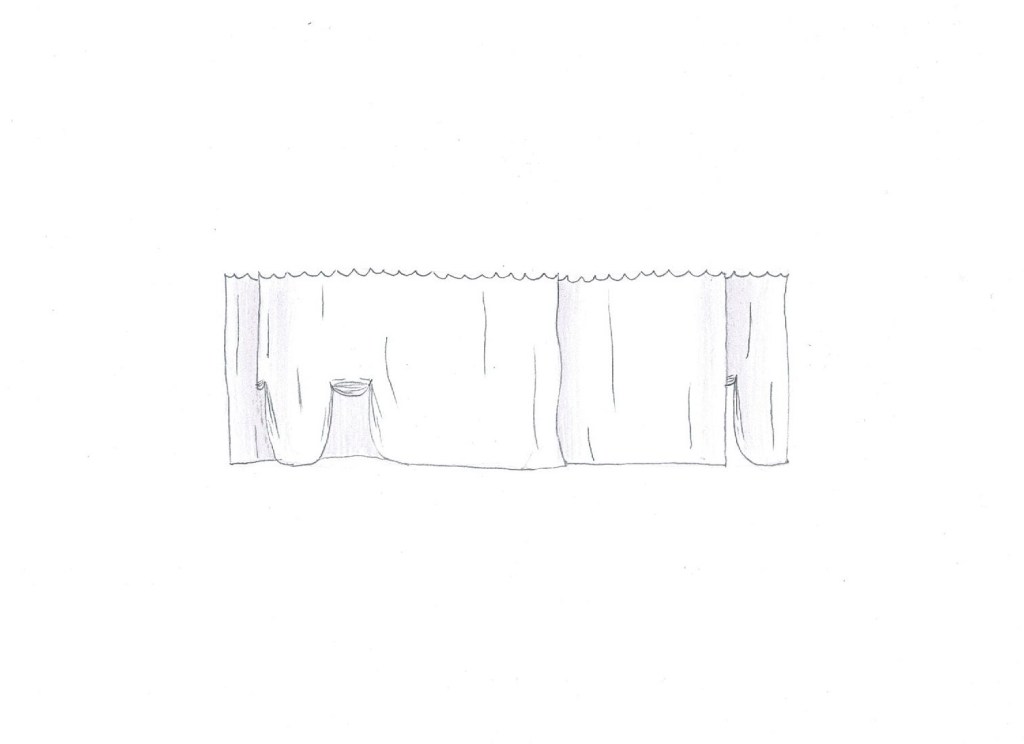


I have really been struggling this week. I am starting to feel very overwhelmed and stressed with all the work. I decided not to do the presentation just because I haven’t been managing very well. With this said, I have been quite productive this week with finalising the smaller details and mechanisms of my project. One of the biggest details to straighten out was the workings of the curtain. I sat down with my dad, a certified welder, to help me get my head around the working of the curtains, the track and the support it needed to be suspended in Fort Lane.
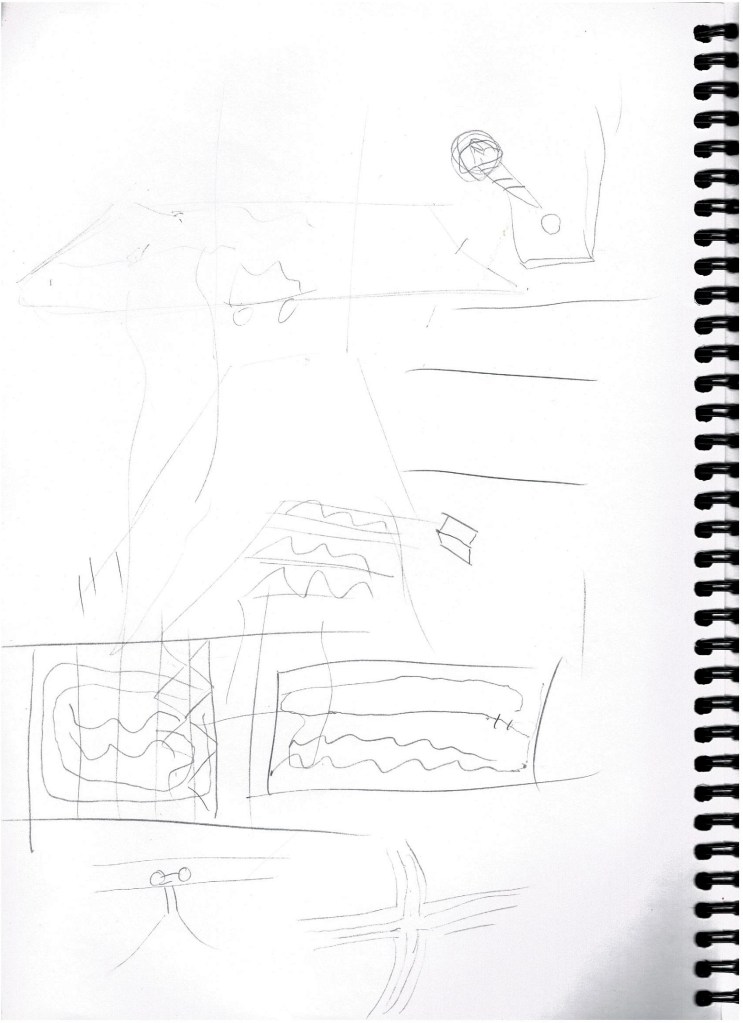
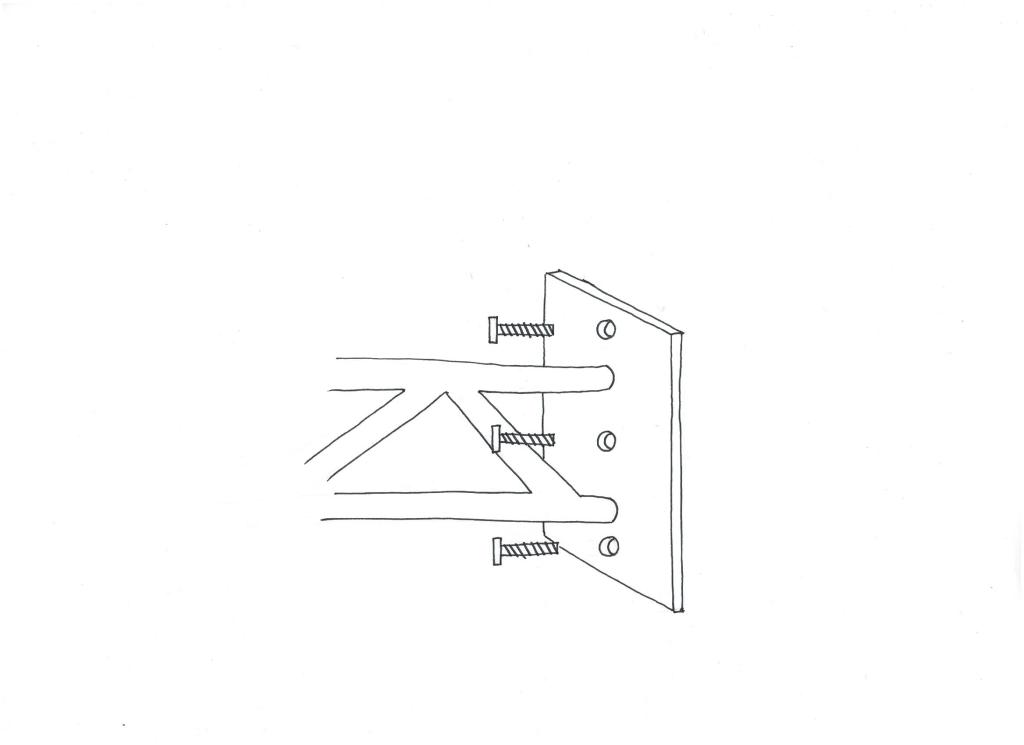
We spent a lot of time discussing different ways I could approach the mechanics of the curtain, including different types of way to suspend the track, whether the track could have interactions, and how the curtains could move from one state to the other without bumping into each other or getting in the way in the process of transition. I came to the decision to have a series of support beams that attached to the wall on either side of the lane to support the track. While discussing how I was going to support the curtain and track, I decided that I wanted it to have an industrial look about it because it further articulated the idea of the perception of fictional space of the audience watching though a frame of film and the perception of space in reality of behind-the-scenes work. The industrial style support details show the creation of the space past the frame of human experience and it contrasts so well with the performative, fluid, and poetic form of the curtains.

Another part of my design that needed thought in order for it to work was the curtain track itself. I overlaid the two curtain layout plans in Illustrator and used different colours to figure out how one each curtain layout was going to move to another.
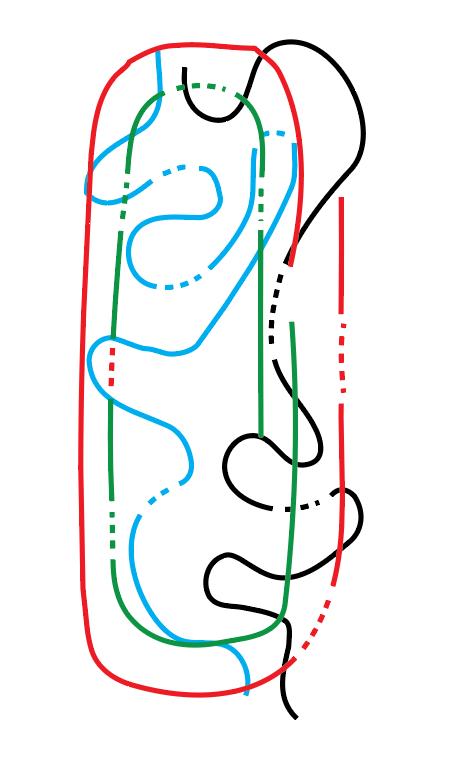
From here I made some small adjustments to create a track that allowed one curtain to flow freely into place after the other.


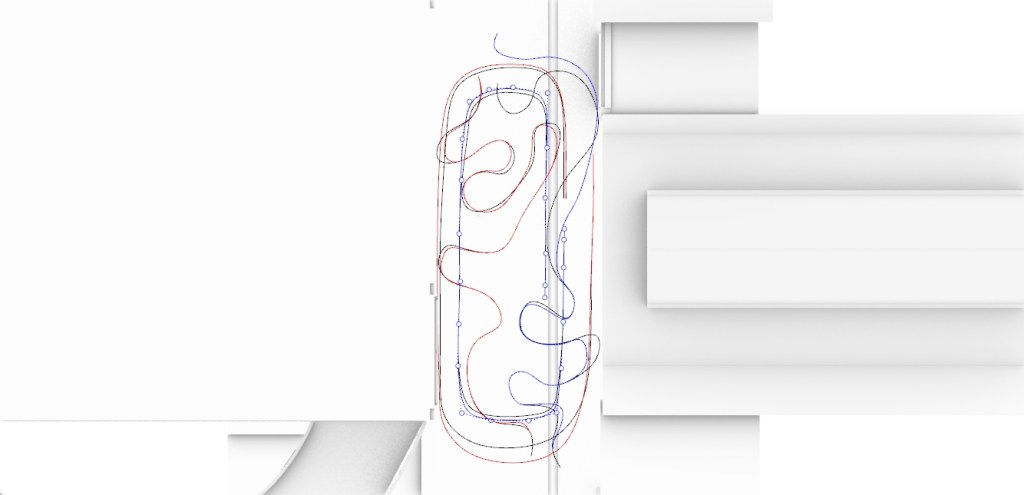
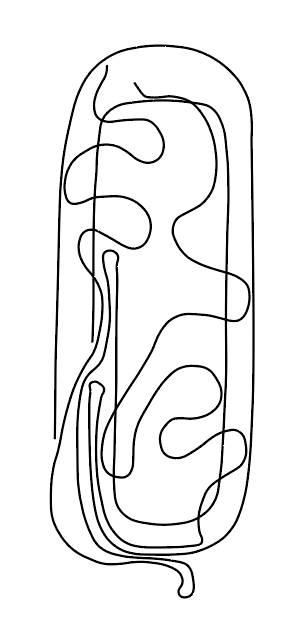
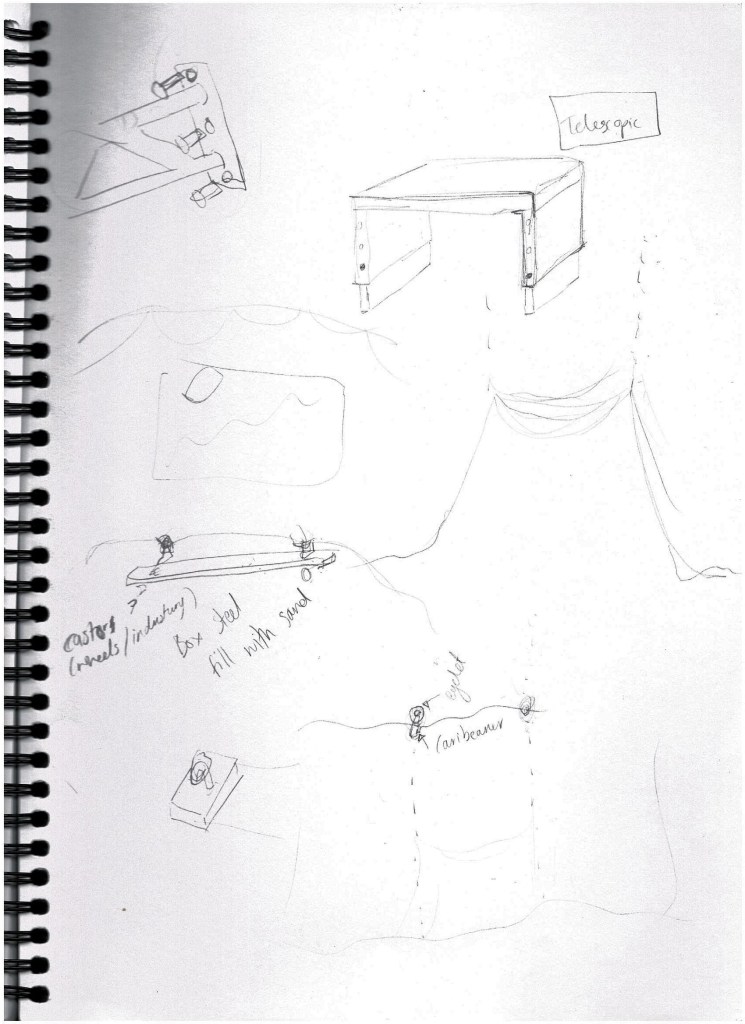
I also spent a bit of time with dad figuring out the details of aspects of my project such as the attachment of the system to the walls, the seating, and the device to hold the curtain still for film screenings.
After discussing if my idea of how to attach the support beams to the walls would work, I designed a simple wall attachment for the support beams that holds the curtains system.
I also designed a seating solution or the theater space as well as the resting state of the curtains.
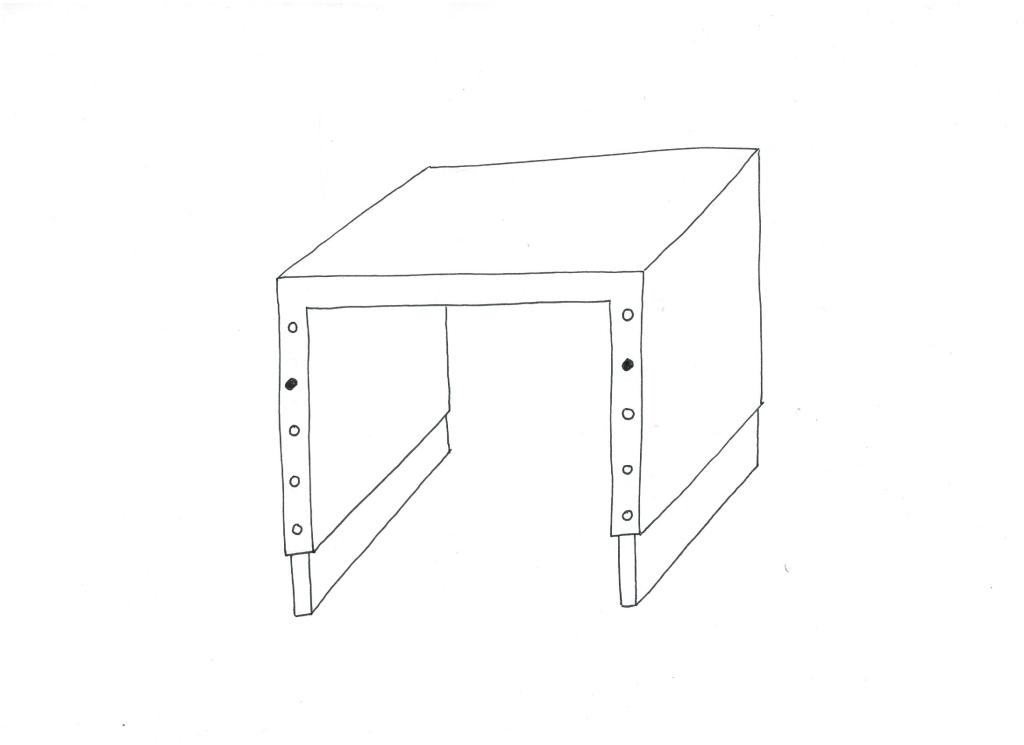
I came up with the idea of a telescopic style singular bench to address the issue of needing varying heights of seats in the the theater space. This design was inspired by adjustable crutches with the metal button and holes to adjust the length. This design solution also means the benches can be used as table surfaces for creative markets and workshops held in the lane. Their versatile nature helps in creating a space that can be adapted to the different needs of creatives.
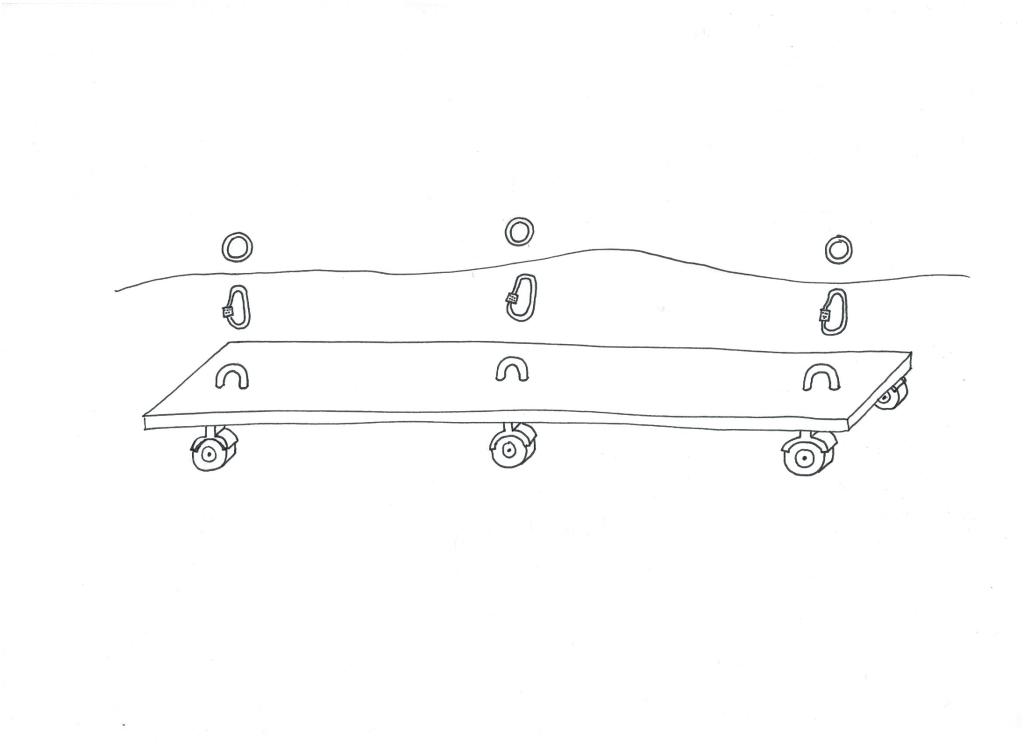
I also designed a weighted plate to hold the curtain for film screenings. I realised that the wind may disrupt the curtain during film viewing and the projection may become distorted. After discussing different types of materials I could use for a weight, I decided that a long thin steel box filled with sand would be my best option. I wanted it to be removable as the curtain won’t always be in the theater/performance state, so I decided that my best option would to be to attach it with eyelets, carabiners, and metal loops welded to the plate. After further discussion with dad, I realised that removing it from the space would be difficult with its weight. With his suggestion I decided to attach castors so that I could roll it into place and then lock it.
One other detail I finalised this week was the type of events I want to take place. I have decided that because my installation is about creating a space for creatives to express, display, and share their work without the restrictions often put around these kind of collective spaces, I will not have a set list of events that will take place during the duration of the installation. I want my design to act as an invitation but also a blank canvas for expression and consumption of all things creative.
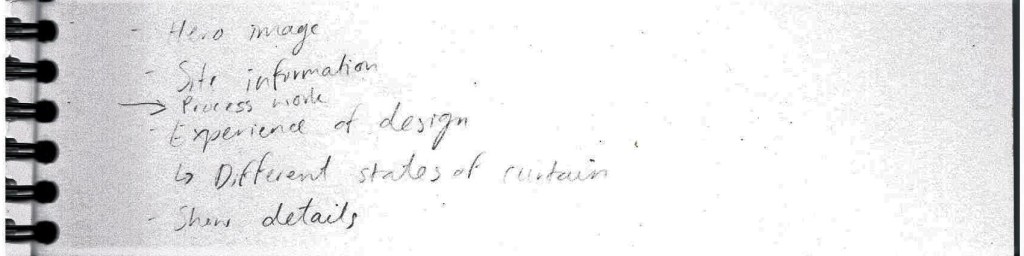
Other than some research and decisions I made based on the feedback I received from the co-design workshop, I haven’t done a massive amount of work since the workshop last week as I’ve been working towards my deadline for my Theory assessment. I showed Sue my document so far on what I used for my workshop last week and got some feedback off her as well. It’s been really good to work hard towards the deadline of the co-design workshop so that I have a more completed and curated collection of my work to get more valuable feedback on. Below are some notes I took while talking to Sue about my work.
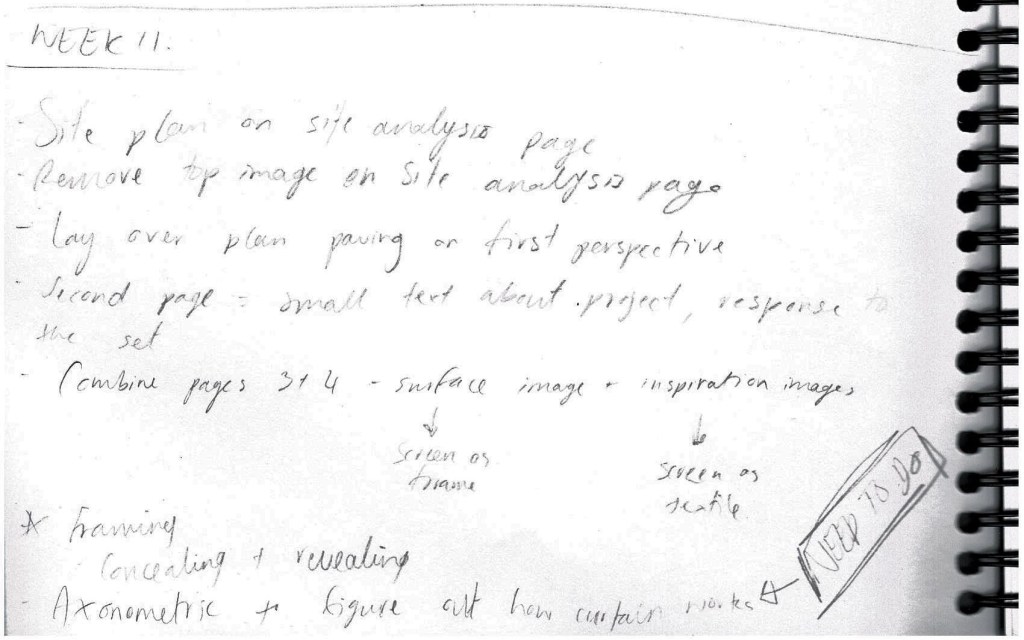
One point Sue really emphasised was doing more work on the functionality of the curtain. I have found it really hard to focus on being productive at home, especially on aspects of my project that I don’t enjoy as much. I am really good at the conceptual and aesthetical aspects of my work, but I always struggle with the practical and mechanical side of things. I know that I have to actually figure out if the curtain will actually work, but I have been putting it off for weeks. This is definitely a next step for me to focus on before hand-in.
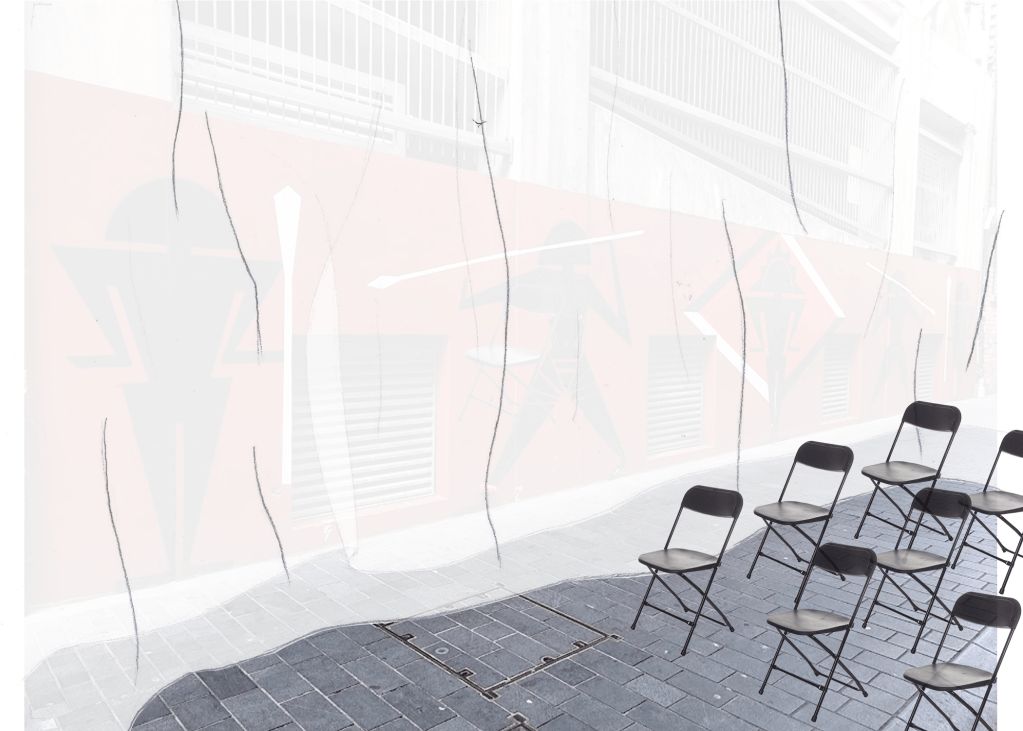
I also did a little bit of work on a suggestion Sue made about my first hero image in my presentation document (see below).

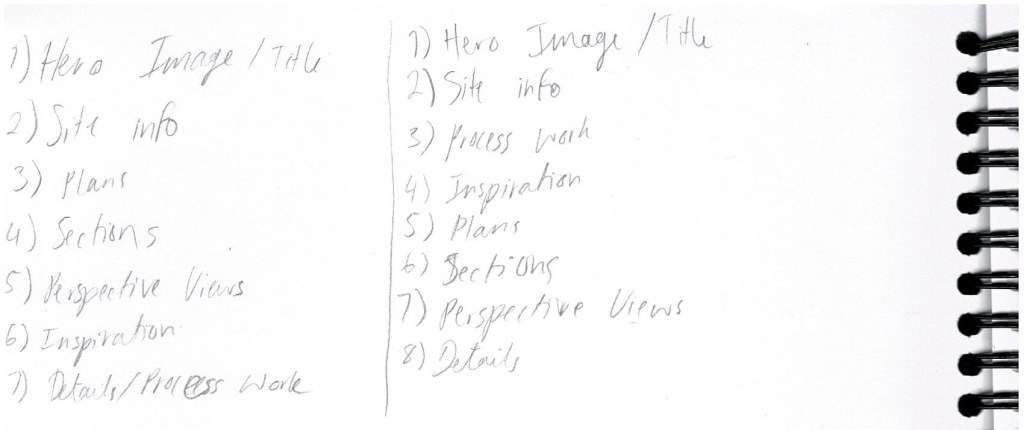
This week I also started making a plan for my final presentation and making a note of all the different drawings and images I’ll need so I can finalise and make changes to my current work and also fill in the gaps with work I need to develop.
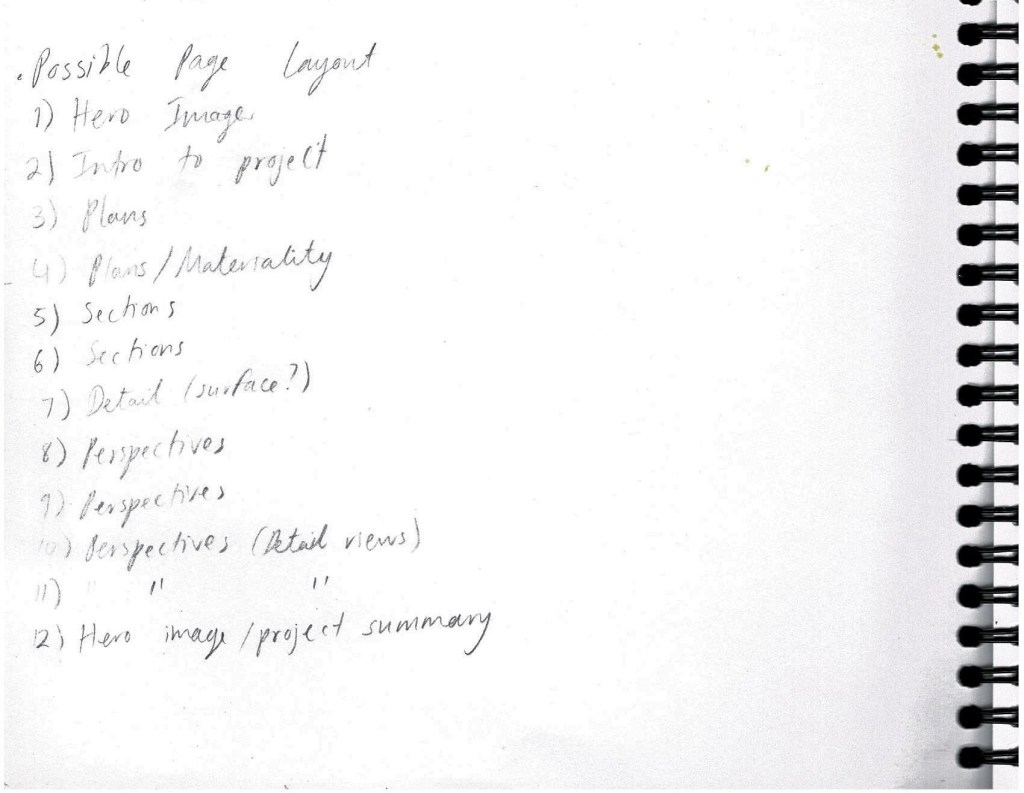
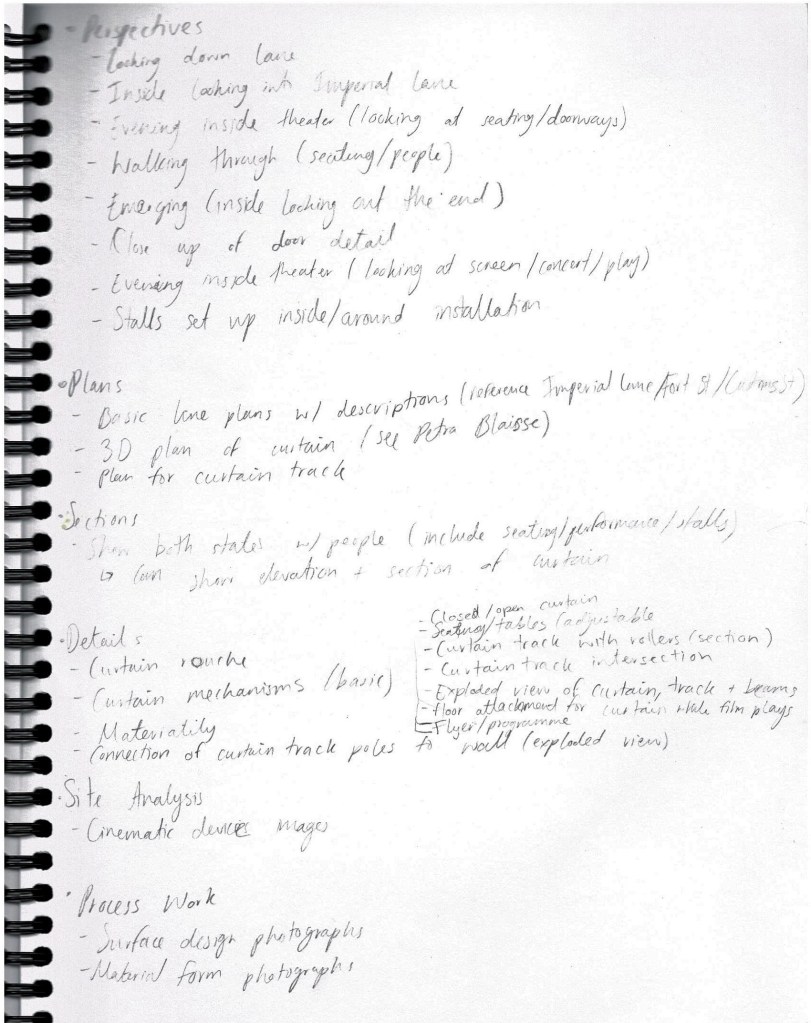
I don’t think I will create or include all of these drawings in my final presentation or document but it has allowed me to visualise what I need to work on and will allow me to refer back and see if any holes need filling in my work.
This week I had my co-design workshop with Keri Cunliffe. It was really good to get some feedback from a fresh pair of eyes and also see where my other classmates were at and the projects they had put together.
Below is my presentation for the workshop.


I also put together a script and some questions to help present my project and ideas as well as some questions to get some help on some aspects I am not as confident in.
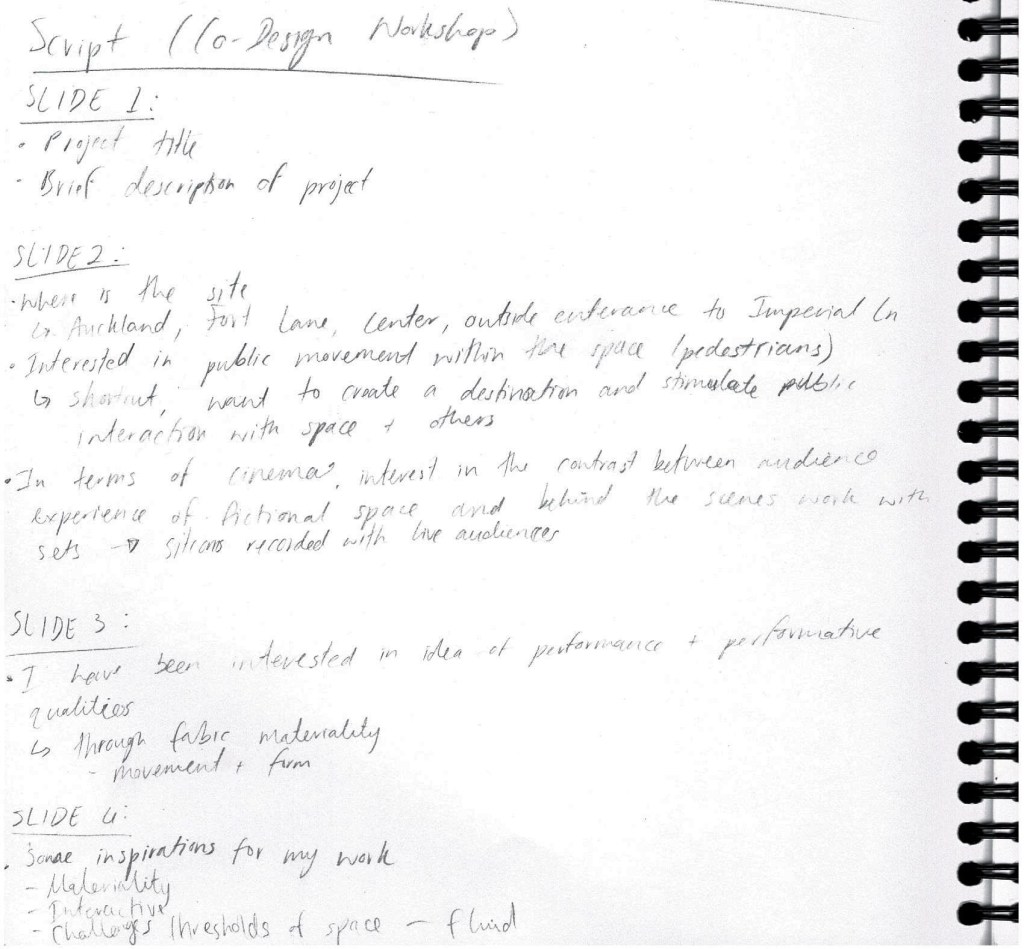
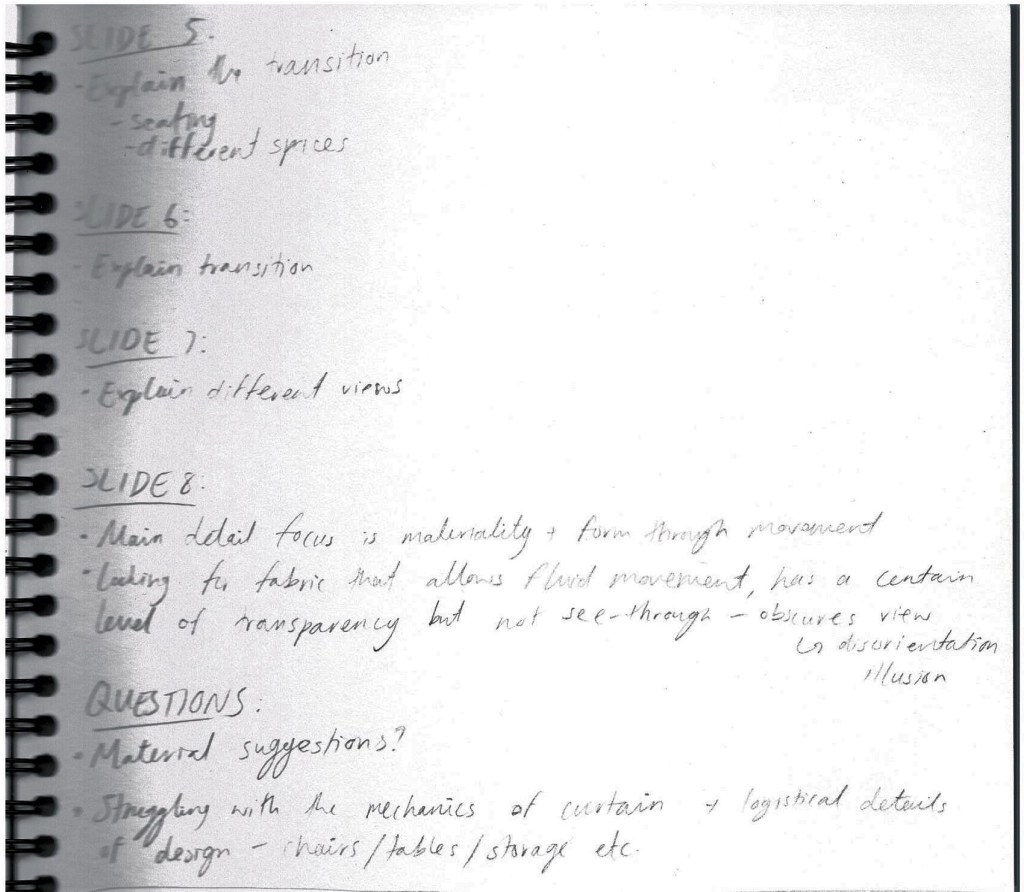
I got some really good feedback on what is working well and how my conceptual ideas were interesting and comprehensive. I also got some good suggestions for things to move forward on and develop.
Below are my responses to some of the feedback I received:
At the start of this week I finished working on my drawings for my co-design workshop document. For my perspectives, I decided I would get a better effect by using photographs as the frame for the images rather than a weak render of the space. I worked on my sketches and photographs in Photoshop to edit them and make a few adjustments to create the following results.

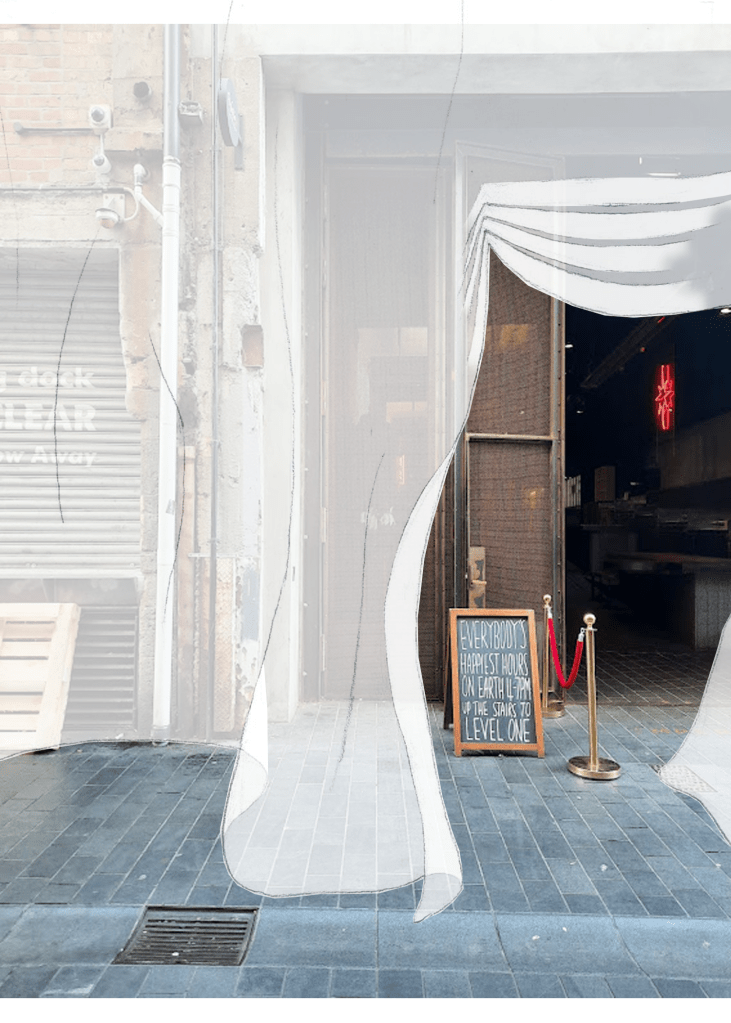
I also did the same with my sections. I didn’t have any images of sectional views of the site as this would be very difficult to do so I used a basic Rhino render of the section.


I found this render to be quite useful; because of its uniformity, it means that my drawing doesn’t get lost in too much detail and the installation is the focal point because it is the only aspect of the image that isn’t uniform. I used these images along with some of my previous process work to put together my document for the co-design workshop.
I have become increasingly stressed and overwhelmed this week with my workload which isn’t good for my productivity. Sue gave me some good pointers on things to focus on and start working on. I began with by planning the document for my co-design workshop. Below is the development of these layouts. I adjusted these over the week so they conveyed my ideas in the best way possible with the work I have at this point.
I have also been getting a bit lost in a pool of ideas my project is focused around in my head and I have been feeling like I’ve gone too far off course. I decided to sit down and spend some time writing a project description so that I could regain direction and focus as well as use it for my presentations.
________________________
Positioned in the centre of Fort Lane in downtown Auckland, my interactive public installation design explores conceptual ideas of film space through the consideration and manipulation of human movement and behaviour and acts as a host for a range of creative events. The large installation curtain articulates the performative qualities of fabric through movement and form, influencing movement and experience through the space. Based on the contrasting interpretation of fictional space between behind the scenes work and audience consumption of film on screen, the curtain shifts and changes positions and layouts to create a variety of experiential spaces within the same location. With Fort Lane acting as a service area and shortcut, my project aims to initiate pedestrian destination purpose within the space, slowing down and making movement more considered. The installation will also act as a bridge of connection between the public and Auckland’s creative communities. Inspired by the variety of creative practices involved in the production of film, the installation is the centre of a range of creative expression events over the period of a week.
________________________
I sent this to Sue and after some feedback on how to develop it, I rewrote it to work better.
________________________
Positioned in the centre of Fort Lane in downtown Auckland, The Performance Project, a temporary textile installation will support a festival of creative events. Ideas of cinematic fictional space perception are explored here as a dynamic system of curtains, movement and event. With Fort Lane acting as a service area and shortcut, my project aims to slow down and connect the public to an imaginary urban space created by the fluid movement of textile and the creative events that come to life within it. The suspended textile curtains will shift to transform the space and experience of the installation and create a theatre/performance space. The textile curtains will be further animated by the weather conditions of the site and produce a range of atmospheric states to enhance the dramatic scenes taking place. Based on the contrasting interpretation of fictional space between behind the scenes work and audience consumption of film on screen, the curtain shifts and changes positions and layouts to create a variety of experiential spaces within the same location.
________________________
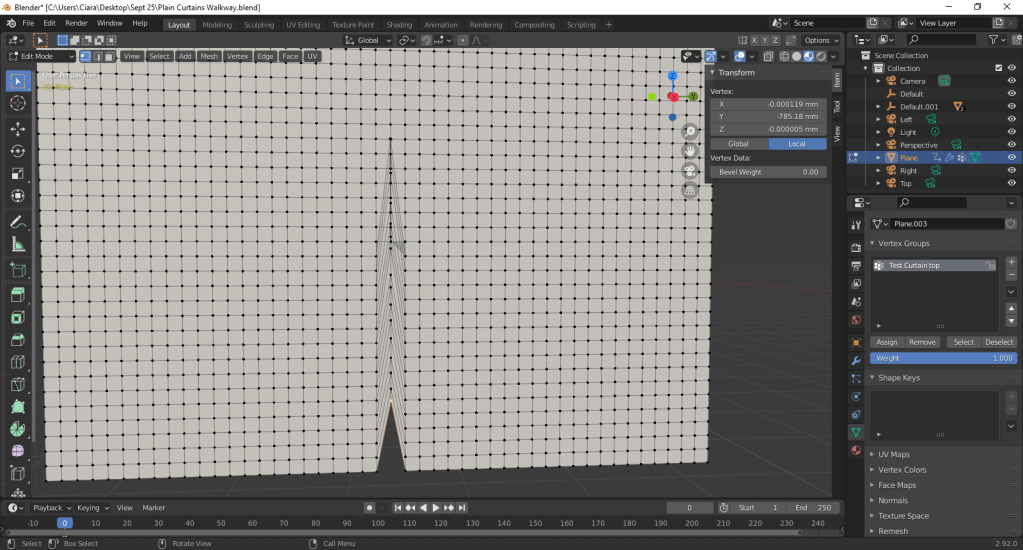
This week I also began work on some drawings for my co-design workshop next week as a lot of my work so far has been idea development and explorations and reviewing. I began with trying to use my basic digital model of my curtains in blender to create fabric form and movement but I really struggled with creating the effect well.
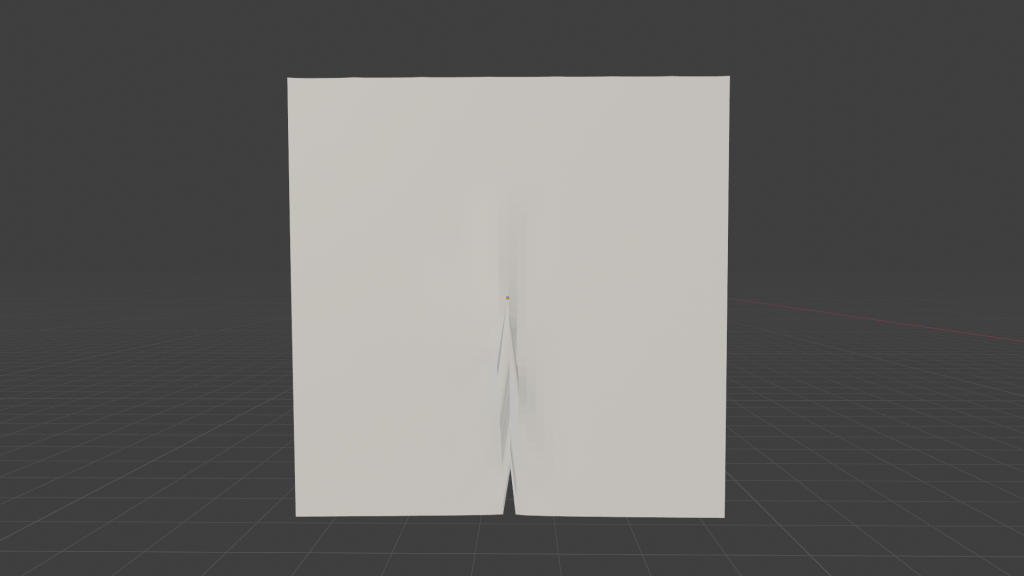
I then decided that I would be able to create a better effect with hand drawings of the curtains because I felt like I had more control over the method. I used my Rhino model of Fort Lane and the curtain installation to set up a perspective view and used that to frame and draw the curtain from the right angle. I used these images to draw the curtains for each view.
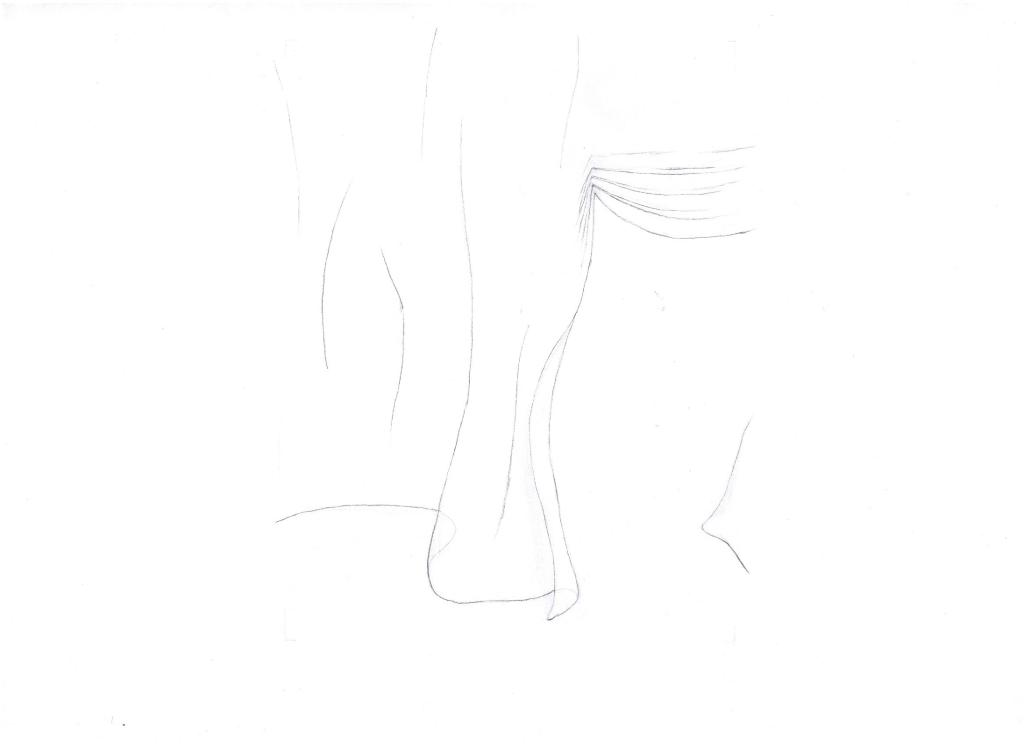
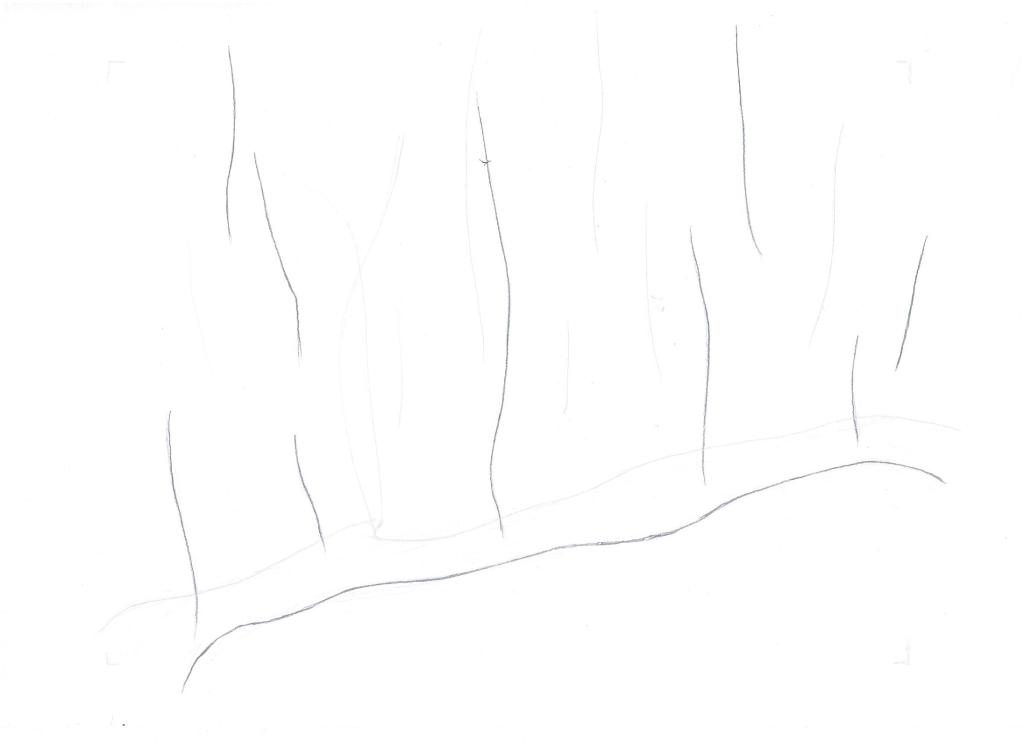

I did the same for the section views and used illustrator to trace the plans of the curtain layouts.


While working on the plan view of the theater space, I noticed that my original layout for the curtains restricted the space inside the theater. Fort Lane is a narrow space as it is and by adding walkways around the theater, space becomes limited inside the installation. This is why I needed to redesign it slightly to make the most of the space and work with more particular dimensions.
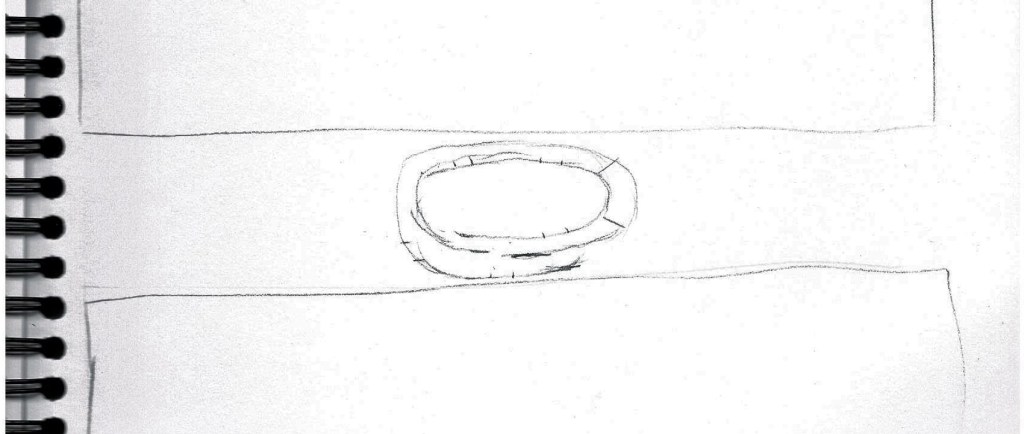
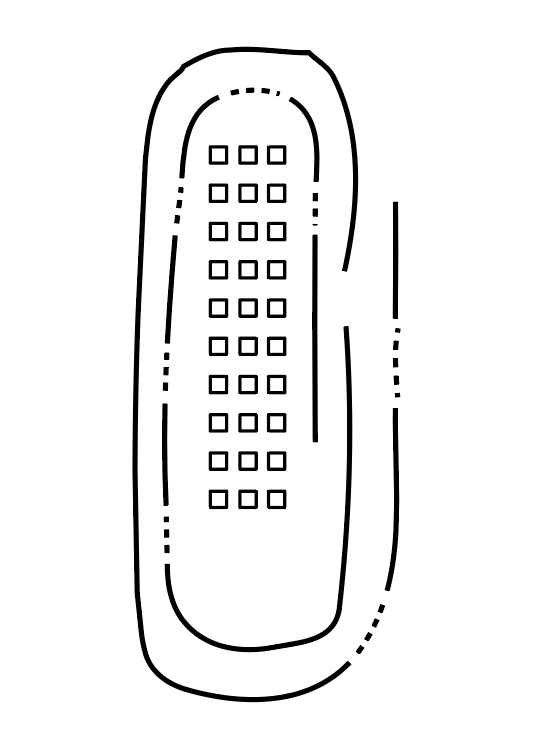
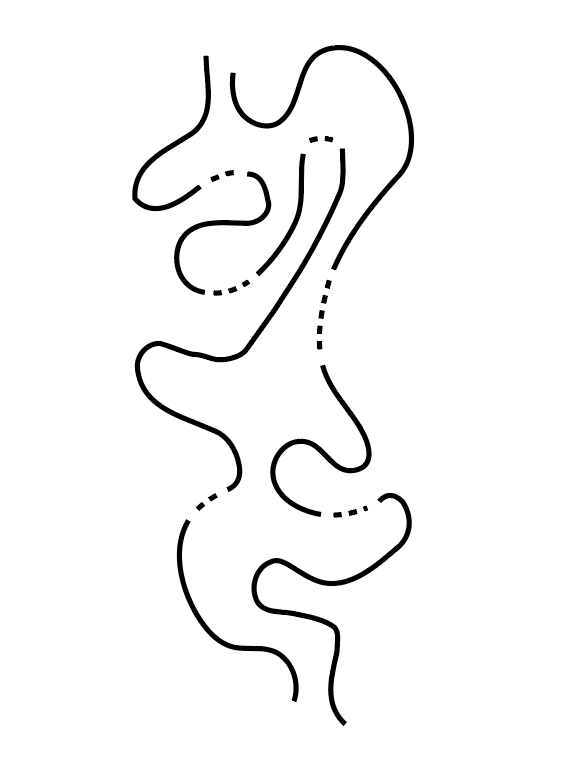
This design still keeps the theater space separate but allows it to me a bit wider.
This week we began to focus on details. Although my design is simple, there a quite a few important details that make up the intervention and need careful consideration. Some of the important detail aspects include the materiality of the curtain fabric, the movement an form of the curtains, the ergonomic aspects of the experience such as seating, and the mechanisms and structure that hold the curtains up. Luckily I have already started working out some details of the design last week in terms of fabric but this week I started looking into the arch ways.
I began by deciding to figure out where to place the cutout archways on my curtains so that they would service both states of the curtain, resting state and theater. I started by modelling the theater space to a rough scale with wire and cotton fabric and cutout the archways. I figured that working with the theater space would make more sense as this space was more structured and the placement and layout of the space and the archways was more deliberate.
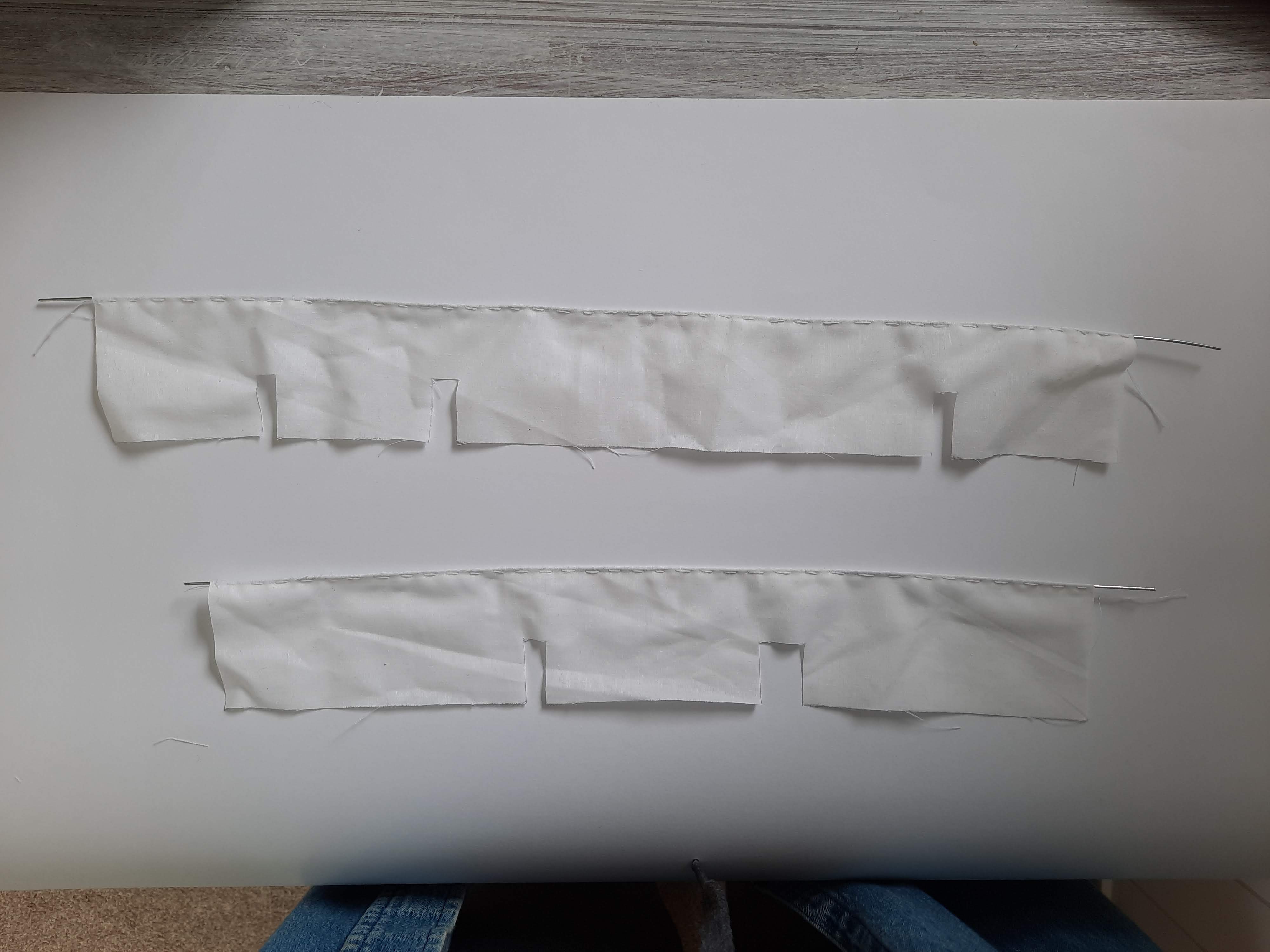
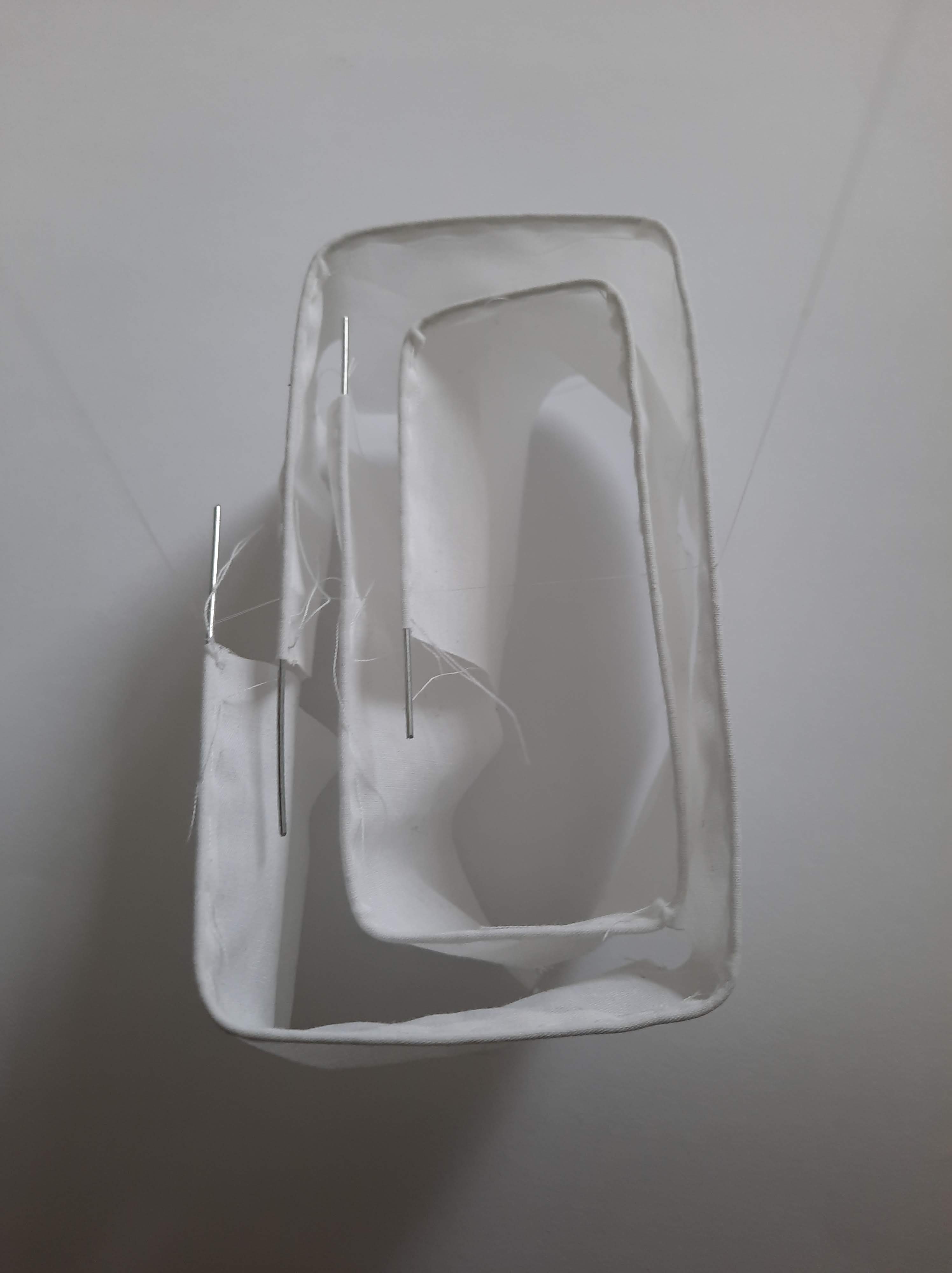
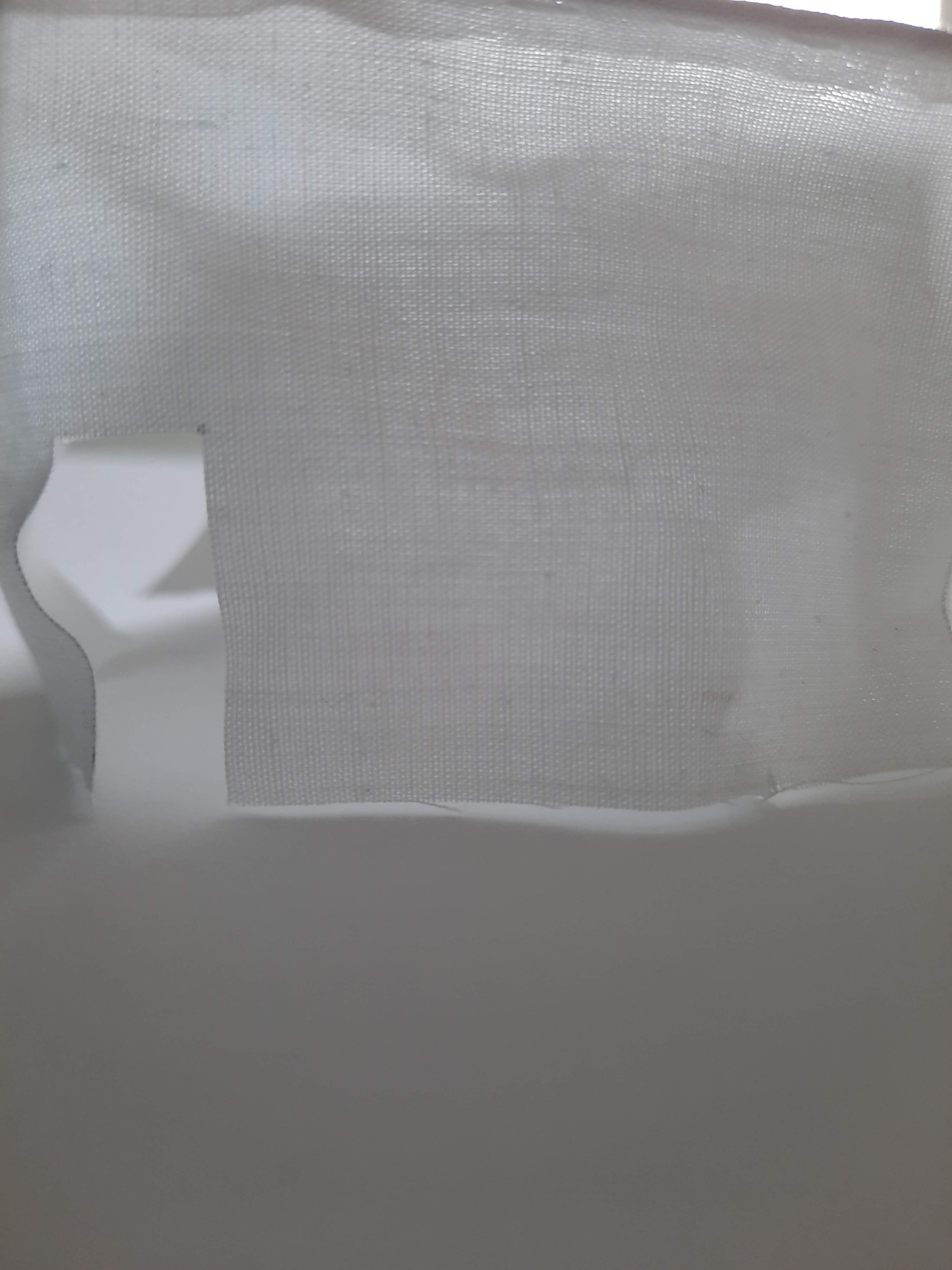
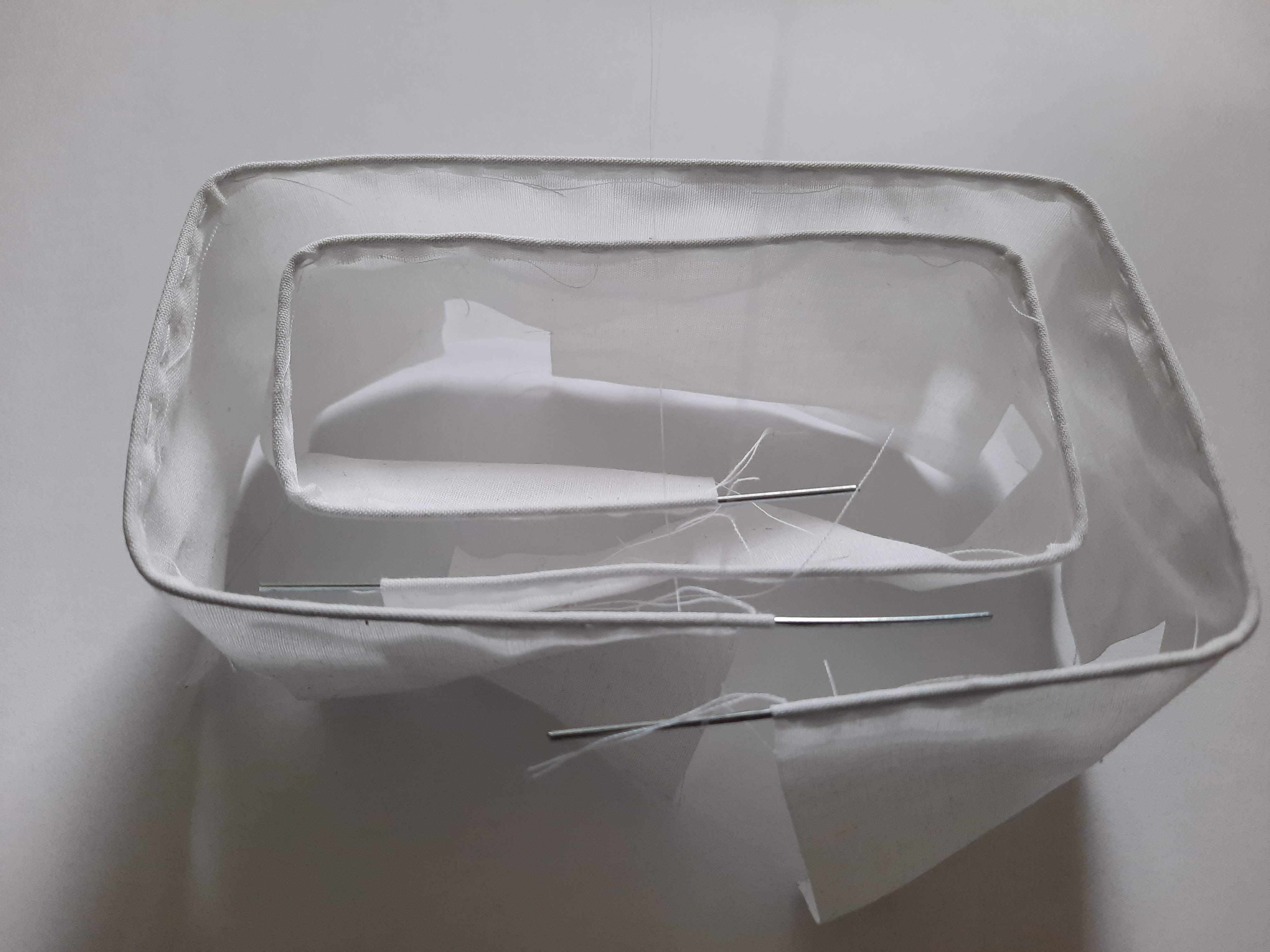
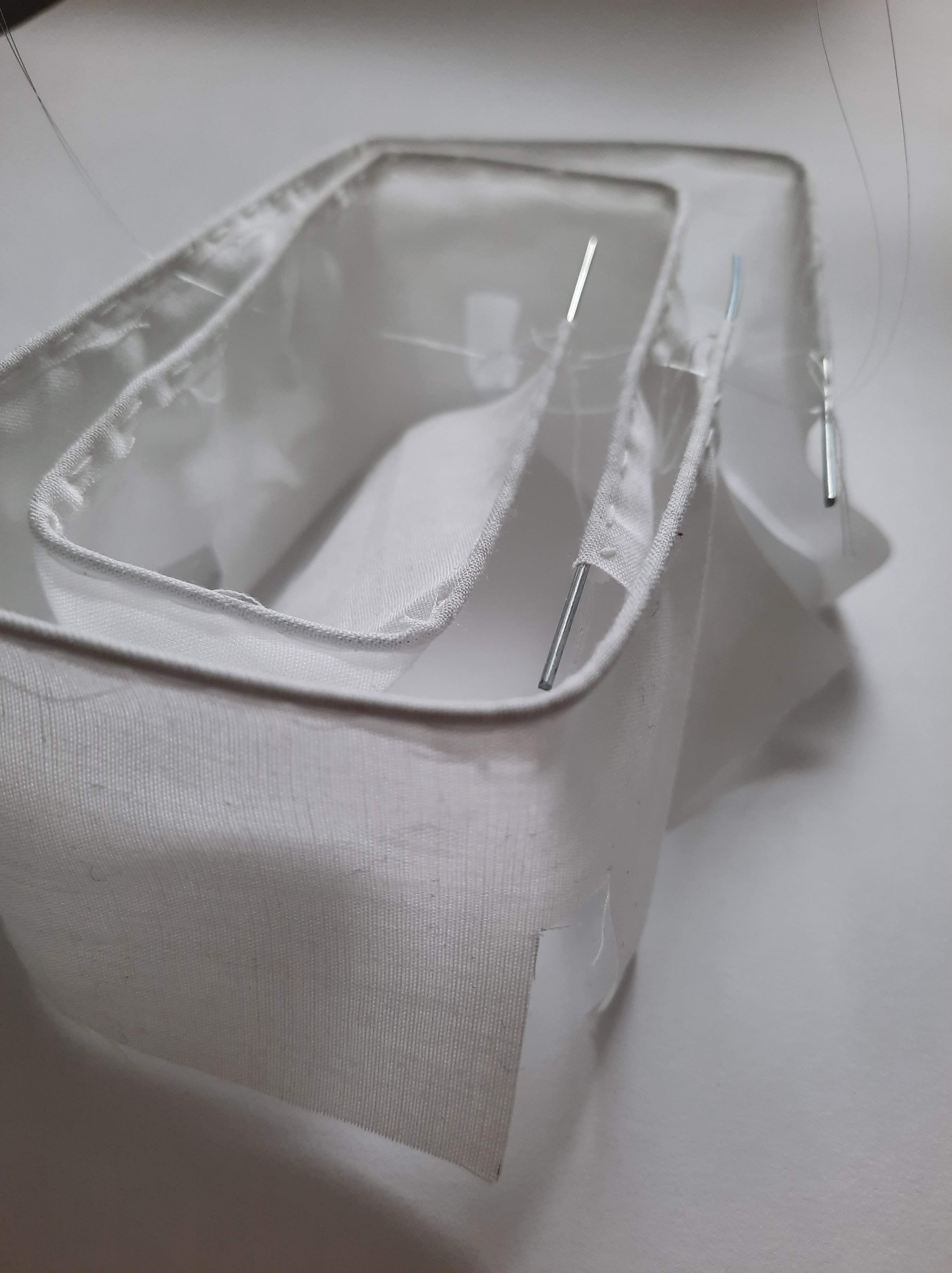
After modelling this, I realised that it was going to be extremely difficult to place the archways exactly where I wanted them in both states of the curtain. I began brainstorming and came up with an idea that was inspired by some of my surface design explorations, ruching.


This design idea was inspired by both my own surface explorations as well as stage curtains. With constantly referring back to performance and theater, I was able to draw on this for inspiration and do some further research into stage curtains. With this design detail, the archways will be able to be placed freely along the curtain surface discreetly and can be lowered and lifted as desired. This will allow me to place archways in different areas according to the different spaces. This detail works by having two ropes imbedded into to the curtain fabric for each archway. The ropes can be lifted, lifting the bottom of the curtain upwards to a desired height, creating a ruched effect. What I also love about this detail change is the folding fluidity of fabric it creates, articulating again the performance of the curtains.
This week I needed to make something physical and do some photography. I always find this sparks motivation when I’m struggling to be driven to create work, especially being at home where I struggle enough to work in normal situations. I have definitely decided that I have an interest in the performative qualities of fabric, specifically its movement and form. I had planned before lockdown to explore this on a larger scale in the test space next door to studio because I knew I wouldn’t be able to gain these visuals on a smaller scale. Because I’m stuck at home, I decided to explore this on the washing line with a white bedsheet, and with the help of my little brother, I was able to capture these images.
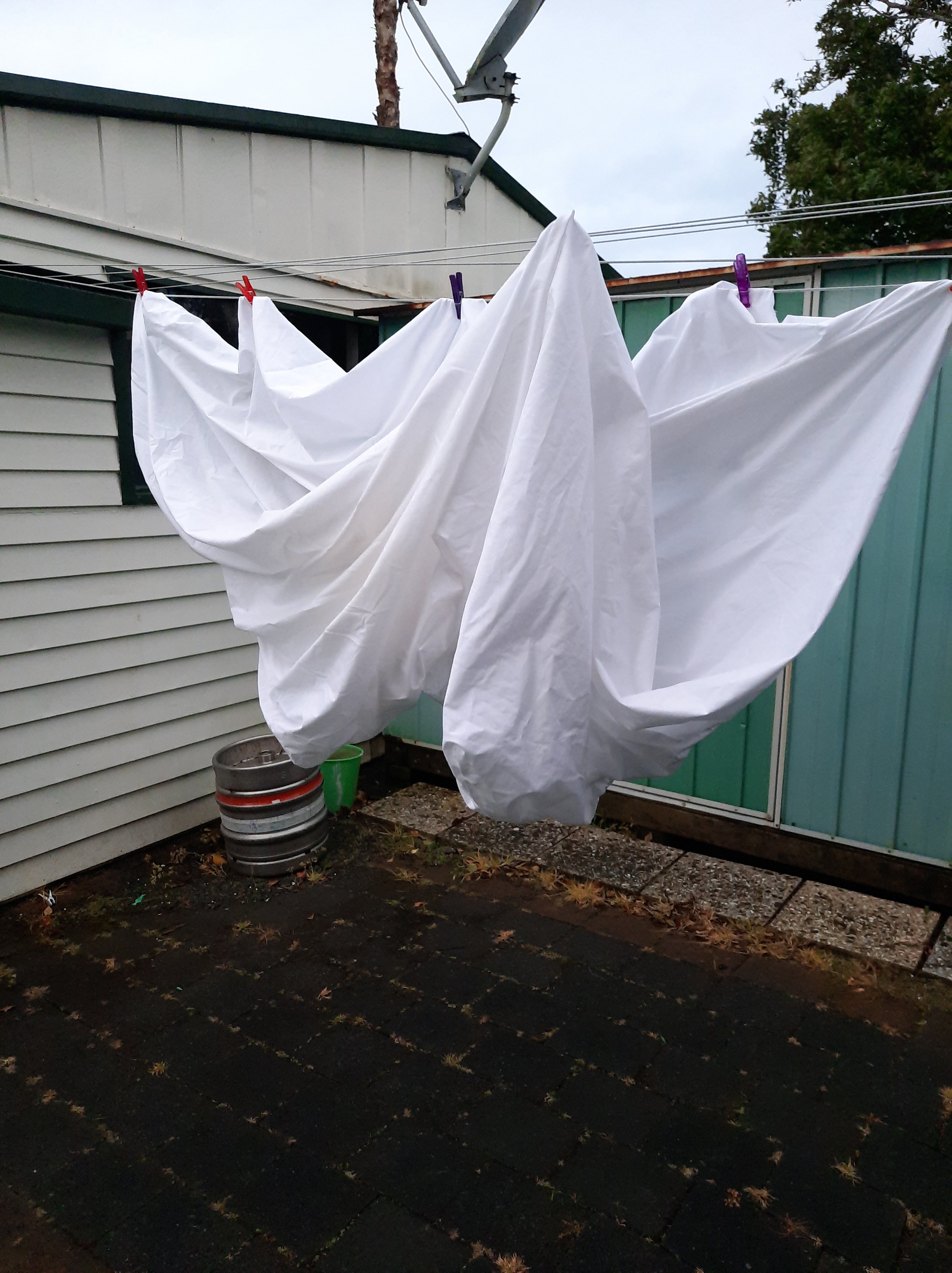
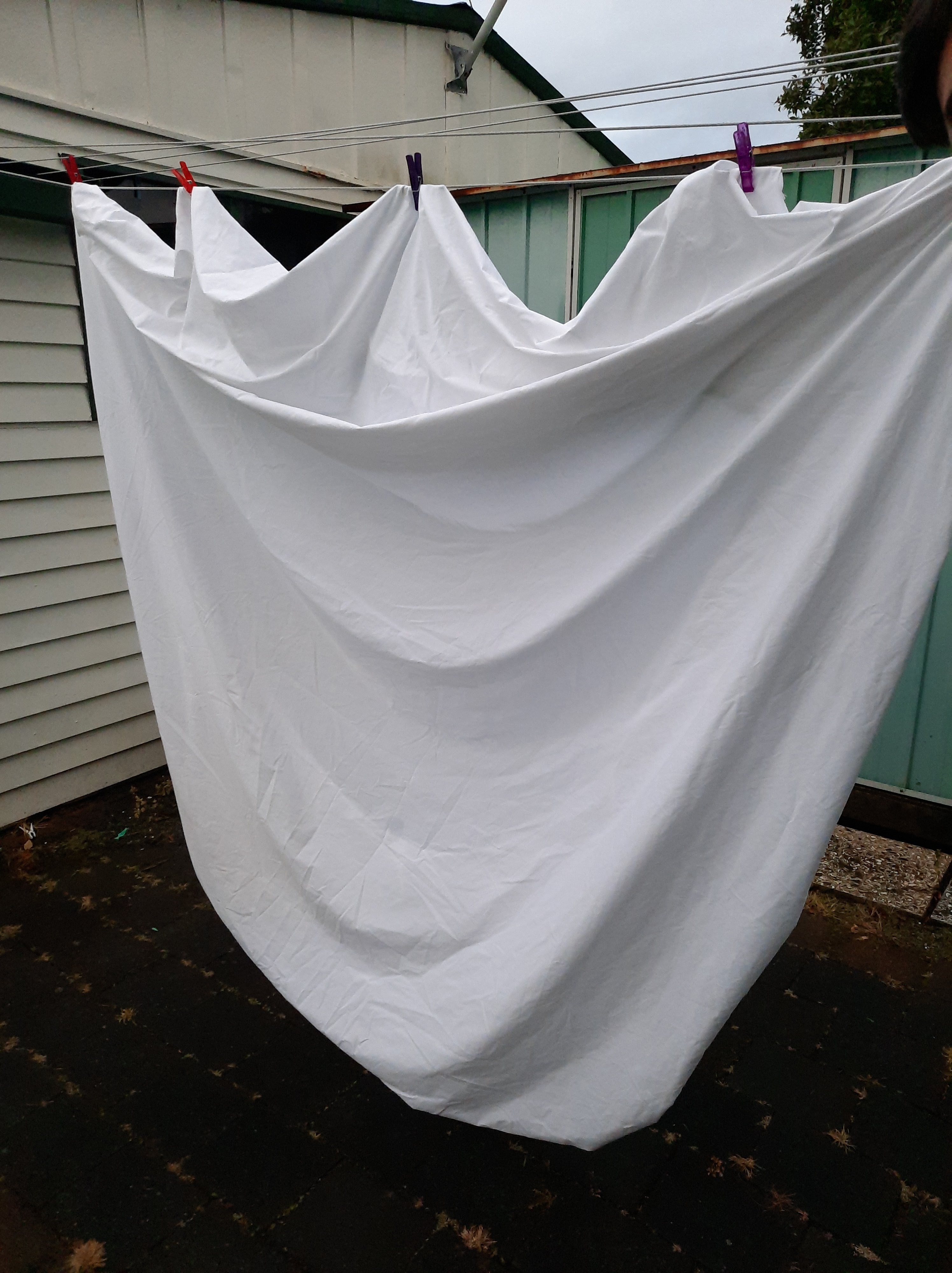
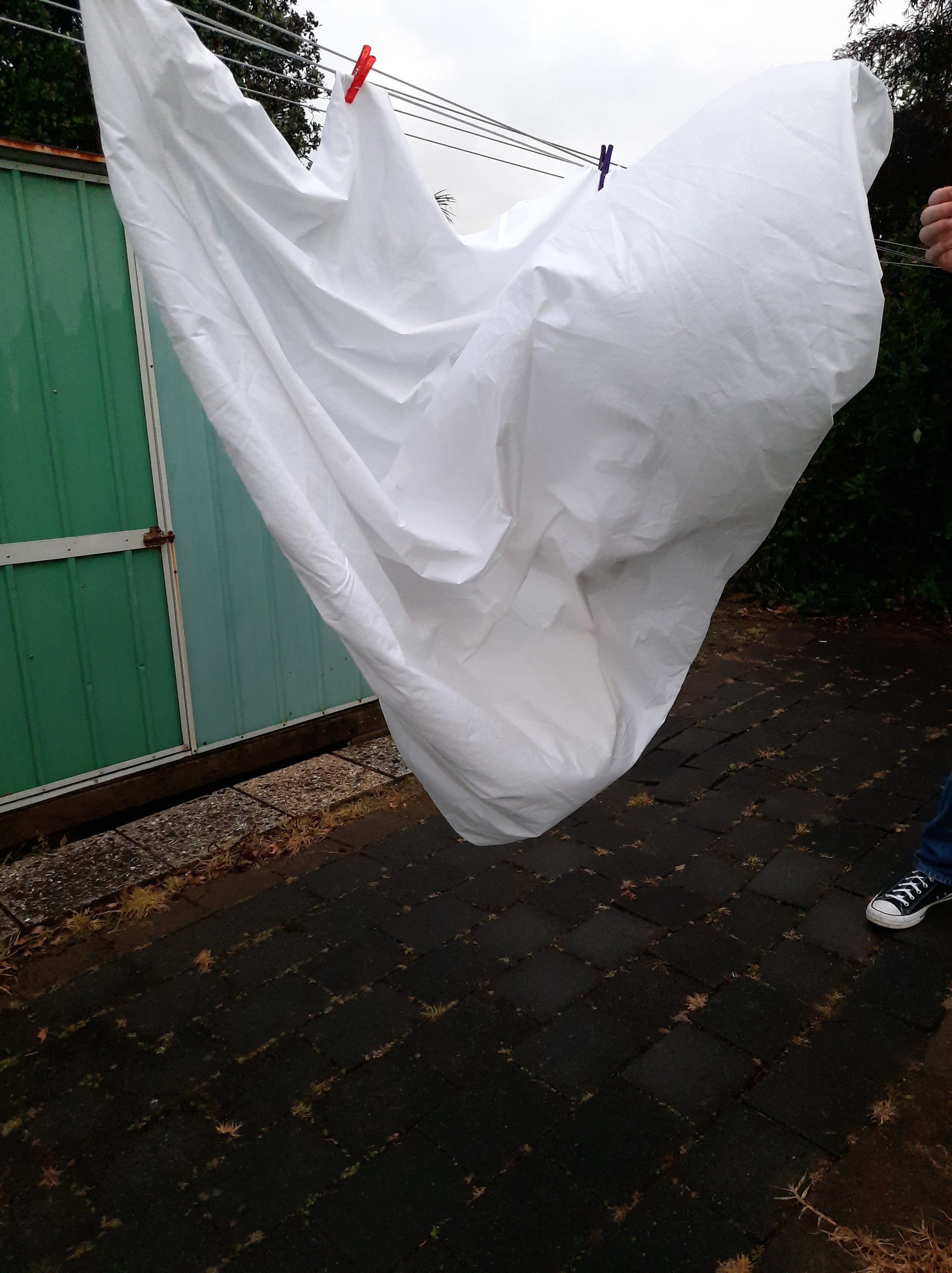
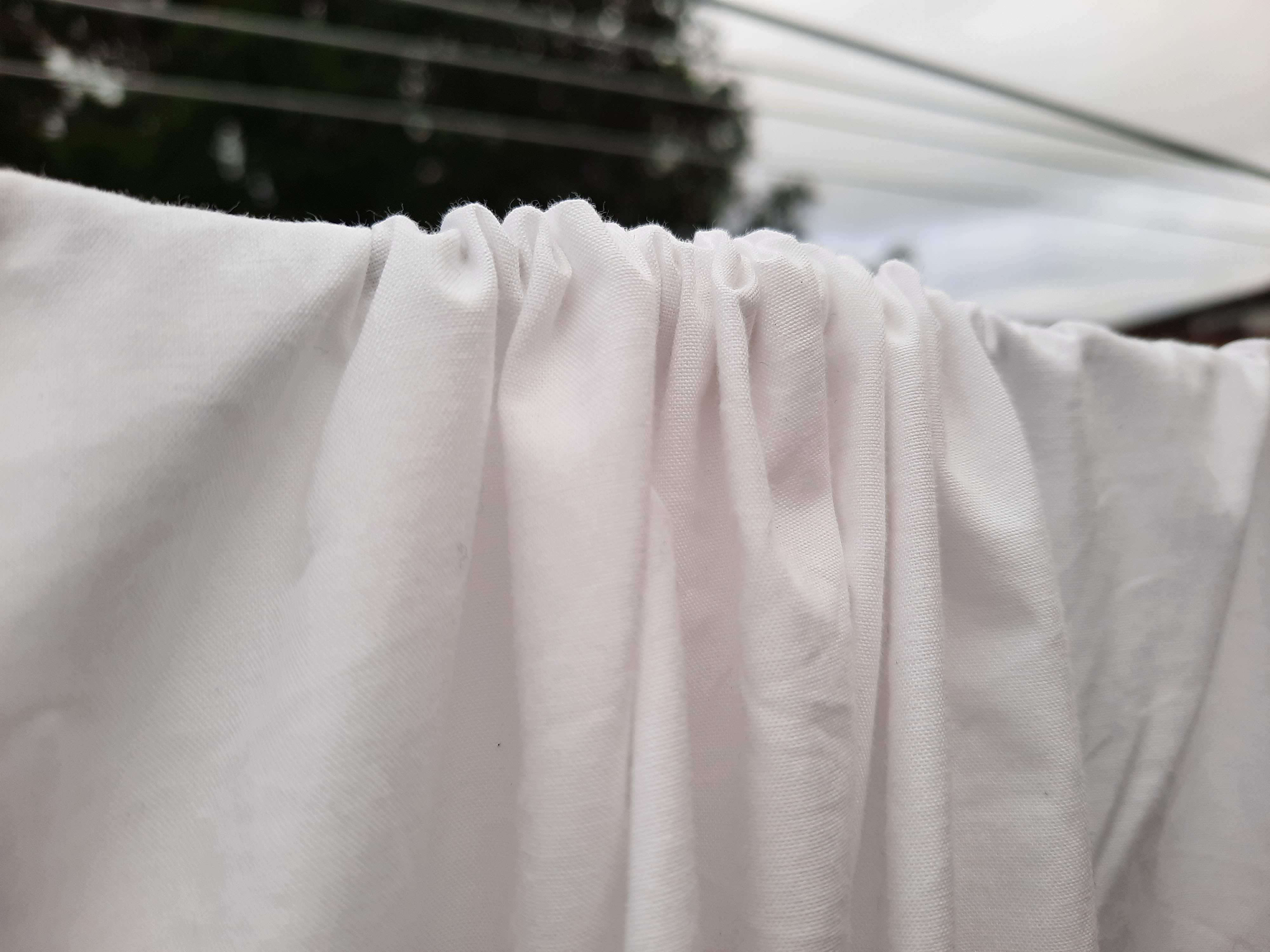
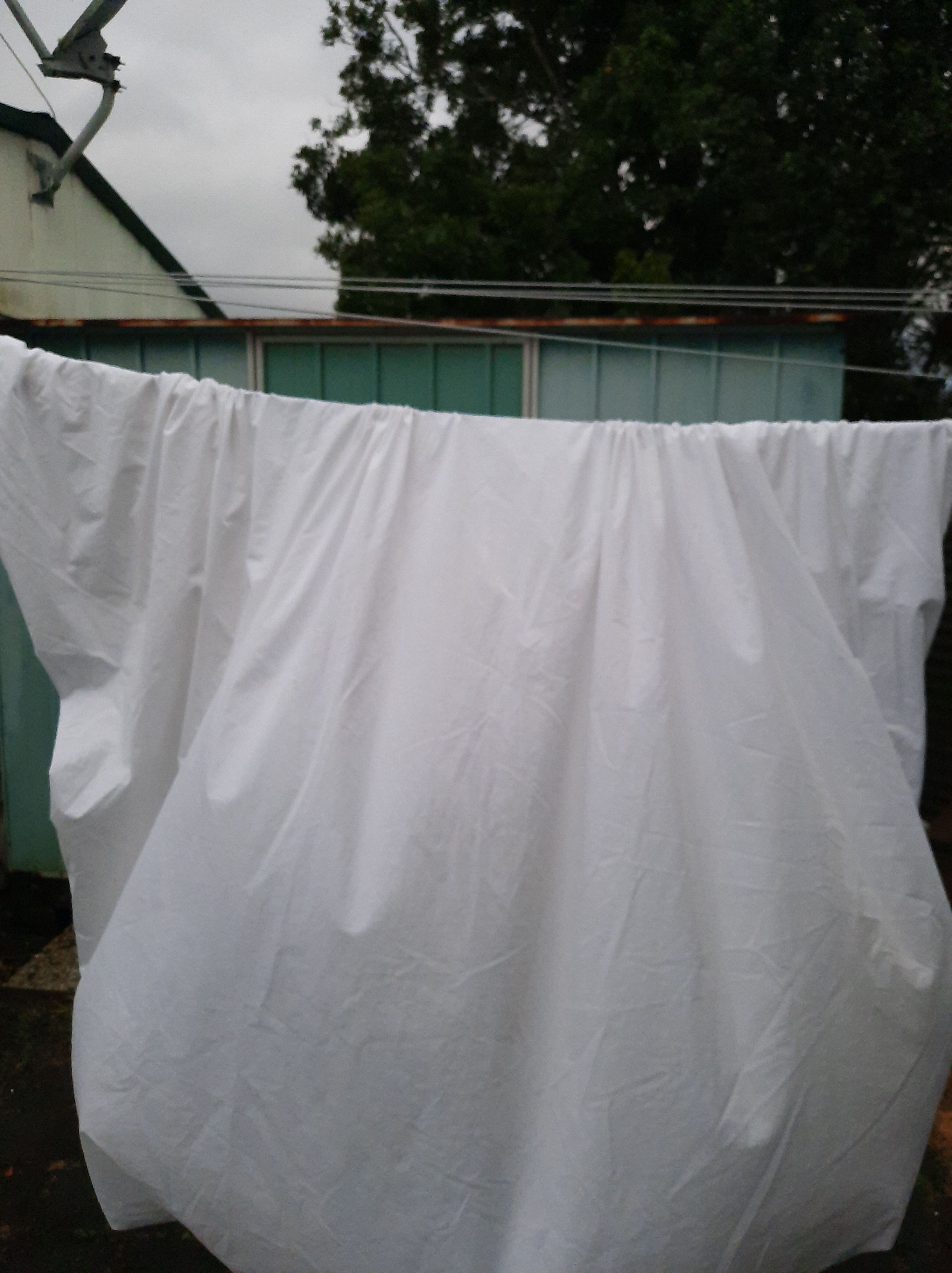
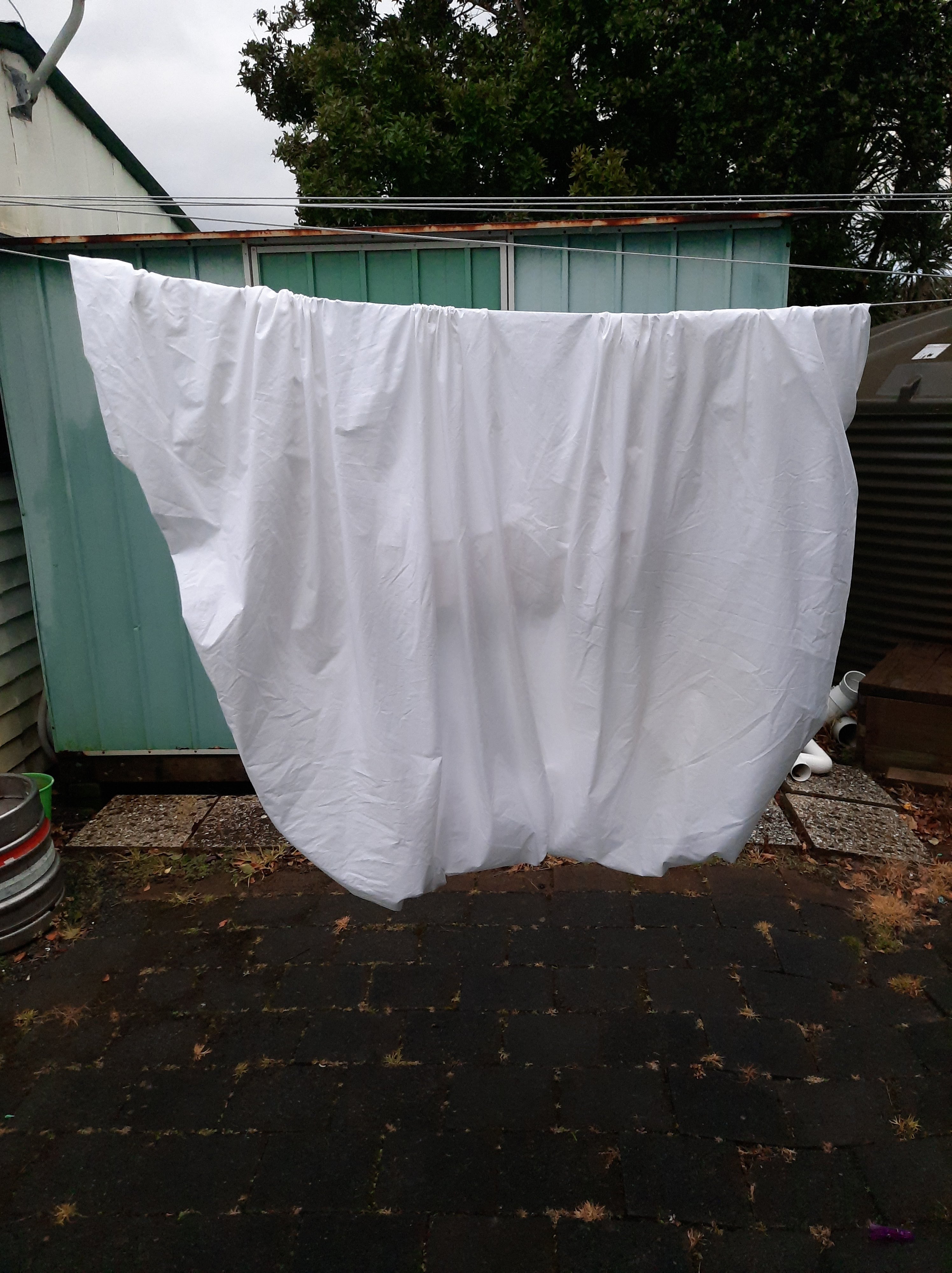
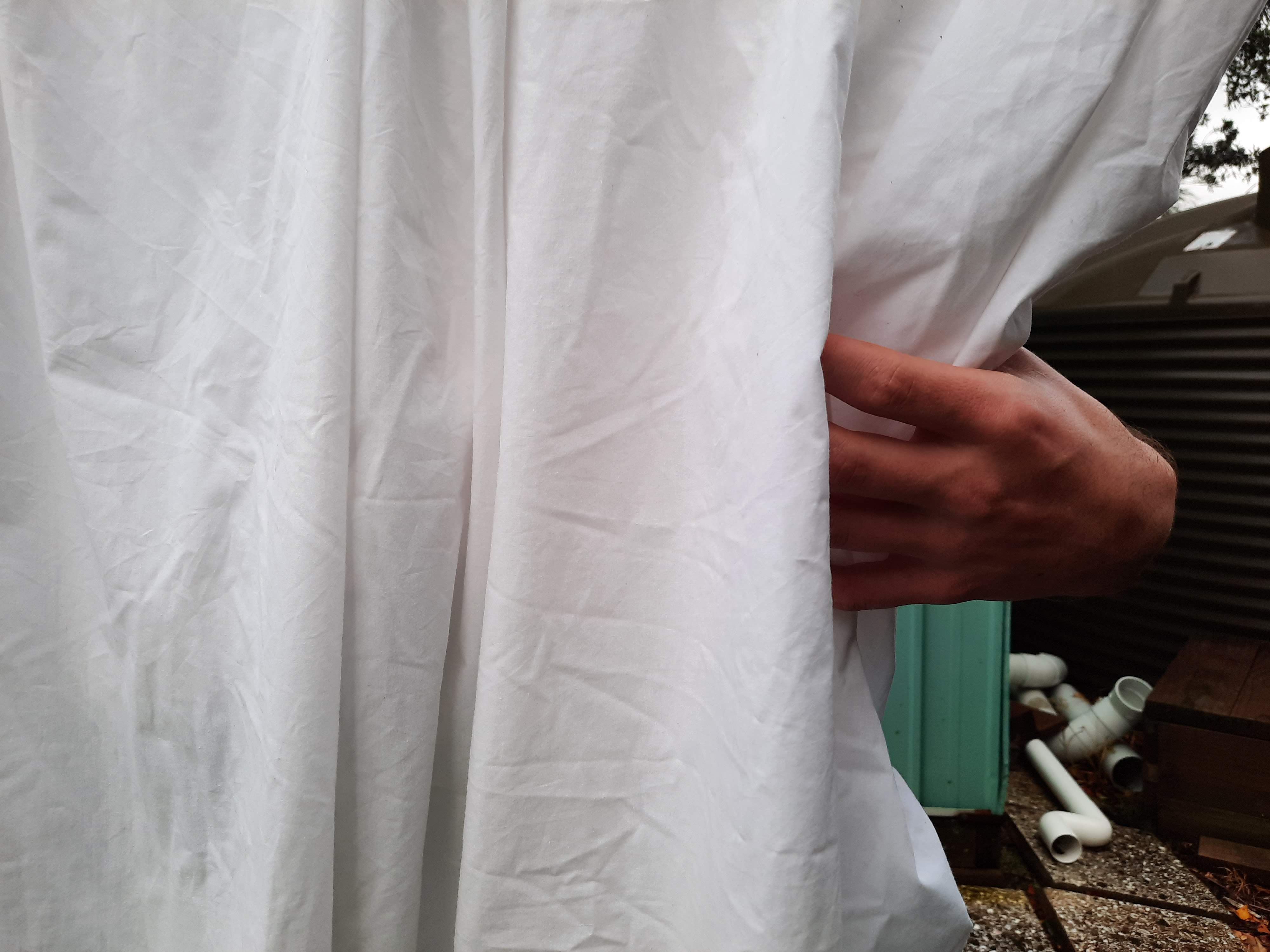
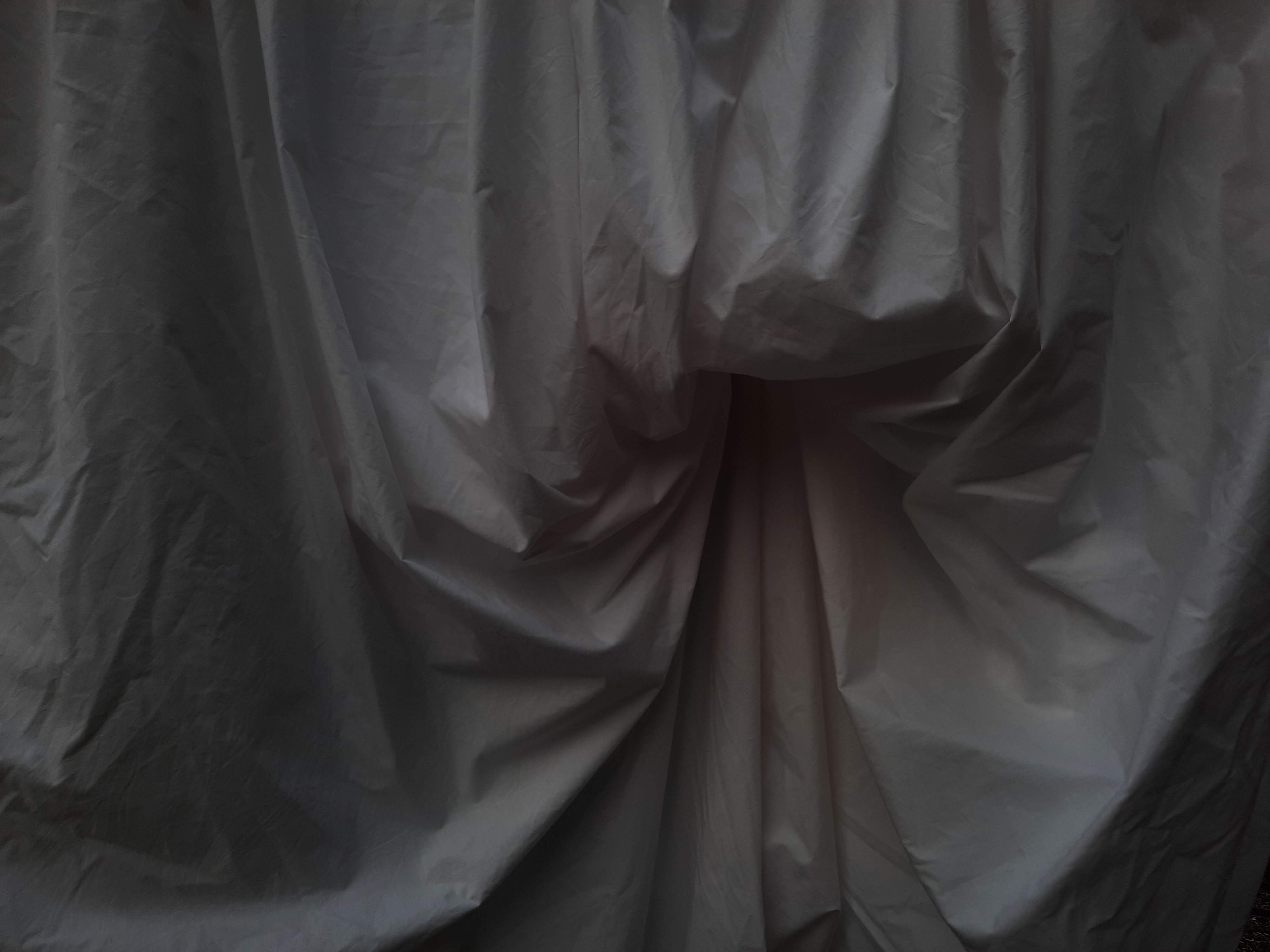
Although not a massive step forwards in my project, I really like how these articulate my conceptual and aesthetical ideas for my project reasonably well.
From there I started doing some research into materiality and different types of fabrics that i could possibly use for my curtain installation. I noticed how difficult it is to understand a material in relation to your project, especially fabric, whe you aren’t able to go into a store and compare and physically touch them. With this said, I did my best to visualise fabrics with their descriptions of texture, opacity, durability, and weight.
After doing research on types of fabrics used for curtains, fabrics used for heavy curtains, heavy fabrics, and fabrics used for stage curtains, I found a few options that interest me. One of the first fabrics I looked into was voile. I have been interested in transparency a bit, specifically in my surface design exploration, and am also interested in the impact it will have on the movement of people in the space and how they interact with one another. After doing further research though, I realised that the transparency level would impact my ability to use the curtain as a screen for projection during film viewings in the theater space and also the lightness of the material would not work well with strong gusts of wind if they were to occur. The fabric would be too fluid on a larger scale.
Another fabric I looked into was cotton. I liked the idea of cotton because it would create a visually sturdier screen for film viewings but it would also allow a certain level of transparency in terms of shapes with particular lighting. I realised cotton may be too light t withstand wind gusts but after further research, I found that heavy cotton or polyester could allow me to create a thicker and heavier curtain. With this I would lose transparency but this isn’t as important of an aspect to my design as the stability and weight of the fabric is. This is a possible option.
I also did a little research into linen. I liked the aesthetic of linen curtains but they didn’t give the stability I needed. The final fabric that I thought could be a possible option was canvas. Although not a tridiagonal option for curtain material, I like how durable and stable canvas can be. Although no transparency without harsh backlighting, I like how heavy canvas will fall and also with the curtains being so large, stiffness won’t be an issue in the organic folding form it will create. I also like the metaphor behind it; I am creating the blank canvas that local creatives will leave their mark on; a vessel for creativity. One of the aspects of my surface explorations that I became really interested in other than the folding forms, was the woven texture of the fabric; canvas will give me this texture.
Although I am not fully decided and I want to do some further research into fabrics and materiality, I think I am leaning more towards canvas as an option for my curtain fabric.
 Spatial Design by Ciara